


app-store-logo
play-store-logo
January 20, 2026

Tuxedos on Thin Ice: Why Penguins Need Our Attention Today
The CSR Journal Magazine

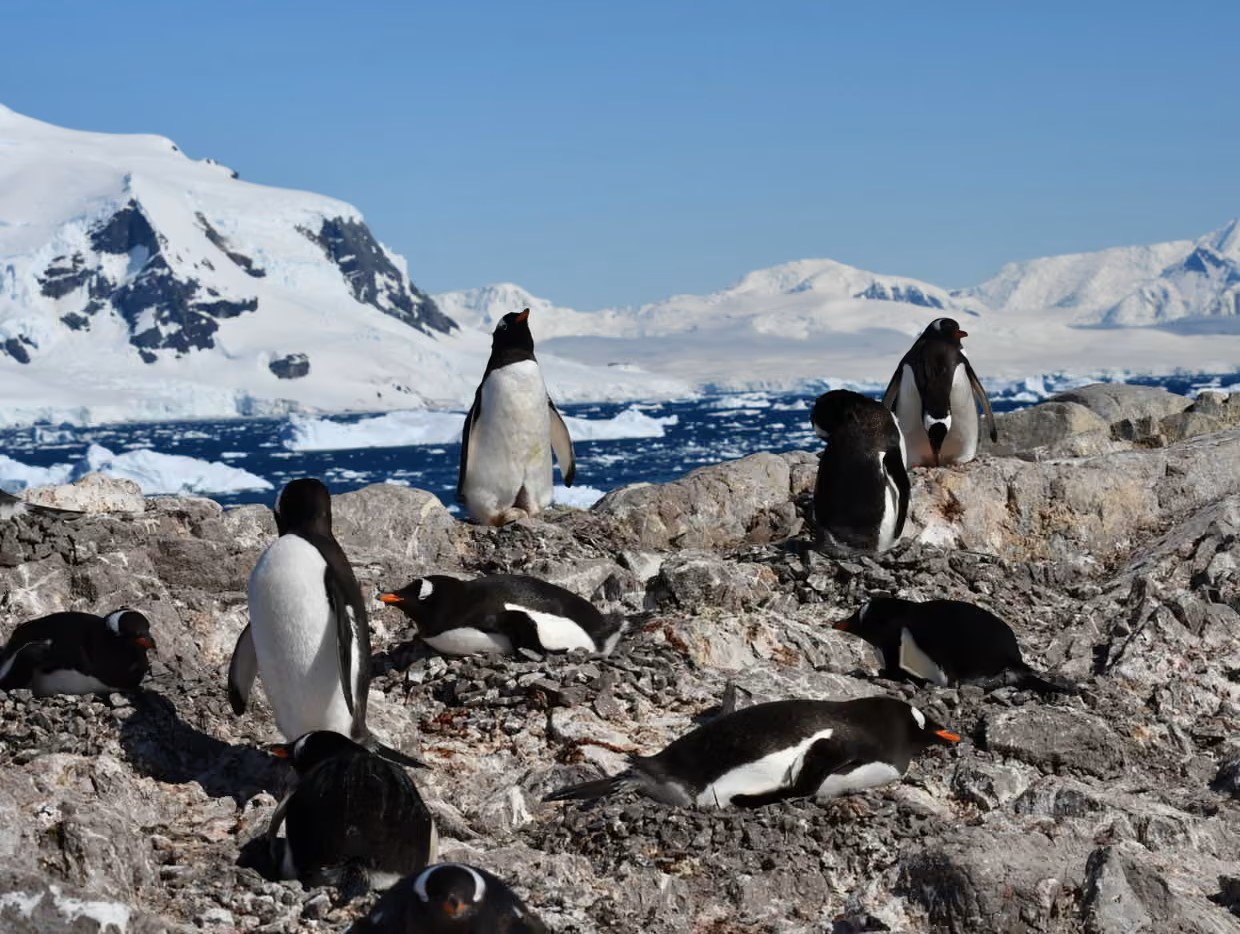
On the edge of the world, where ice meets the sea, a penguin stands waiting. It is not posing for a photograph or starring in a nature film. It is waiting for the ocean to provide—food for its chick, stability beneath its feet, and a future it can no longer take for granted. Penguin Awareness Day asks us to look beyond the charm of these birds and see them for what they truly are: quiet messengers from a planet under stress.

We often meet penguins first through screens and storybooks. They make us smile with their tuxedo coats and clumsy walk. But in the wild, penguins live demanding, finely balanced lives. They are deeply connected to the rhythm of the oceans and the stability of the climate. When penguin populations decline, it is rarely an isolated problem. It is a sign that something is going wrong in the natural systems we all depend on, even if we live far from ice and sea.

Penguins may look awkward on land, but underwater they transform. The moment they dive, they become fast, graceful, and powerful. Their flippers slice through the sea, and their bodies are shaped to chase fish with astonishing speed. For penguins, the ocean is home; land is simply a place to rest, breed, and raise young. This makes them especially vulnerable. When breeding grounds flood or food moves farther away, penguins have little room to adapt.

For generations, penguins have returned to the same icy grounds to breed. These places once offered safety and predictability. Today, that certainty is melting away. Rising temperatures are breaking up sea ice earlier each year. Chicks that once grew strong on stable ice now face storms, flooding, and exposure before they are ready. Parents must travel longer distances to find food, sometimes returning too late. What looks like “melting ice” on a chart often means a chick that never makes it to adulthood.

The ocean, too, is changing. Overfishing has emptied many waters that penguins rely on. Krill and small fish—once abundant—are now heavily harvested for commercial use. Adult penguins are forced to swim farther and dive deeper to feed their young. Some return exhausted, others not at all. For a penguin colony, fewer fish means fewer chicks, and fewer chicks mean a future slowly slipping away.

Plastic in Paradise

Even in places humans rarely visit, plastic is present. Penguins encounter it tangled in seaweed, floating on the surface, or buried in sand. Some mistake it for food. Others become trapped, unable to swim or hunt. The plastic we throw away far from the poles often ends its journey in penguin habitats, turning remote shores into silent danger zones.

A Warning We Should Hear

Today, many penguin species are classified as vulnerable or endangered. This did not happen suddenly, and it did not happen by accident. It is the result of warming oceans, shrinking ice, human greed, and careless waste. Penguins cannot adapt quickly enough to the pace of these changes.

Protecting penguins means protecting the oceans that give us oxygen, food, and climate stability. Their struggle is not a distant story—it is a mirror. If we listen, penguins are telling us that the planet is changing faster than life can keep up. And that is something we should all care about.

Long or Short, get news the way you like. No ads. No redirections. Download Newspin and Stay Alert, The CSR Journal Mobile app, for fast, crisp, clean updates!

App Store –  https://apps.apple.com/in/app/newspin/id6746449540

Google Play Store – https://play.google.com/store/apps/details?id=com.inventifweb.newspin&pcampaignid=web_share

Latest News

Popular Videos
