


app-store-logo
play-store-logo
February 11, 2026

Title Controversies in Bollywood: A Historical Overview
The CSR Journal Magazine

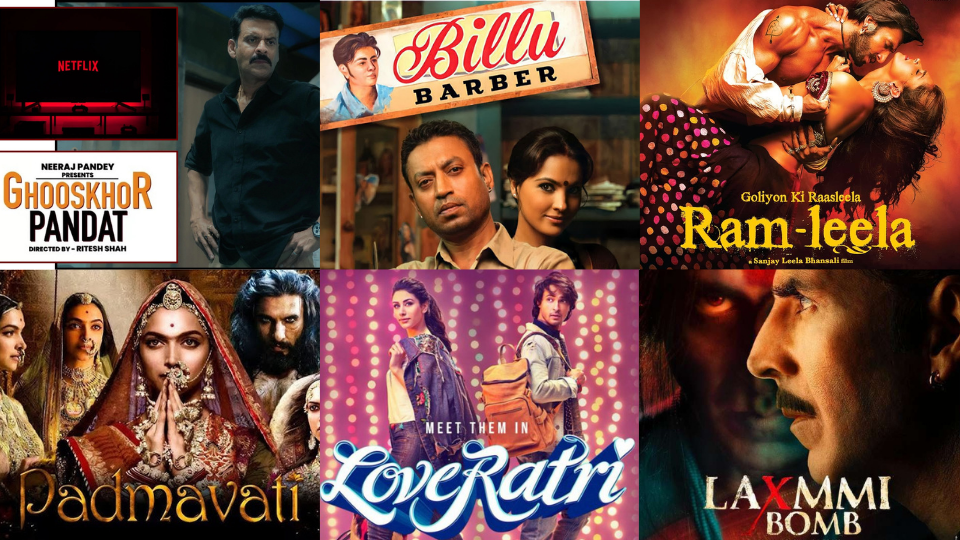
The tension surrounding film titles is not new in Bollywood, where it often sets off outrage, legal disputes, and last-minute changes, long before the audience gets a chance to view the film. The title of Neeraj Pandey’s upcoming Netflix film, Ghooskhor Pandat, has ignited significant controversy. Starring Manoj Bajpayee, the film became the focus of criticism after its announcement as part of Netflix’s 2026 slate along with the release of its teaser. Critics labeled the title as defamatory, claiming it attacks the dignity of the Pandit community. Following numerous FIRs and widespread protests, the film’s producers decided to retract promotional materials and alter the title, illustrating the sensitive dynamics involved in naming films in India.

Historical Precedents of Title-Related Controversies

The issue of contentious film titles has persisted in the Indian film industry for decades. A notable example is the 2009 release Billu, which was initially titled Billu Barber. The film faced backlash from hairdressers’ associations across the country, citing that the term ‘barber’ was derogatory. Protests erupted in various cities, prompting the filmmakers to drop ‘Barber’ from the title just before its release. Ultimately, the film was released simply as Billu.

Goliyon Ki Raasleela Ram-Leela and Religious Sentiments

In 2013, the film Goliyon Ki Raasleela Ram-Leela, directed by Sanjay Leela Bhansali, encountered backlash over its original title, Ram-Leela. Critics accused the filmmakers of offending religious sentiments by placing the names Ram and Leela in a romantic narrative. This controversy led to court interventions, and the film was ultimately released under a modified title, Goliyon Ki Raasleela Ram-Leela, accompanied by disclaimers to clarify its fictional basis.

Padmaavat’s Rebranding Amid Unrest

The historical drama Padmaavat, which was originally called Padmavati, faced significant backlash upon its release in 2018. The film, led by Deepika Padukone, drew protest from certain Rajput groups, who objected to its portrayal of Queen Padmavati. In the wake of growing tensions that included vandalism and widespread social unrest, the filmmakers decided to rename it Padmaavat, signaling that the film drew inspiration from poetic rather than historical narratives.

Loveyatri and Cultural Sensitivities

Initially titled Loveratri, the film Loveyatri faced challenges due to its association with the Hindu festival Navratri. Objections arose from various religious groups, arguing that the title distorted a sacred term and could offend religious sentiments. Responding to the increasing controversy, the filmmakers changed the title to Loveyatri just before its premiere.

Laxmii’s Title Change and Respect for Beliefs

The 2020 horror-comedy Laxmii, featuring Akshay Kumar, was originally titled Laxmmi Bomb. However, several religious organizations raised concerns over the use of the term ‘Bomb’ in conjunction with the name of Goddess Lakshmi, deeming it disrespectful. Owing to public outcry and legal complaints, the filmmakers adjusted the title to Laxmii ahead of the film’s release, indicating respect for public sentiment during a sensitive time.

The Broader Implications of Title Changes in Cinema

These various title alterations underscore the contentious atmosphere within Bollywood, where filmmakers routinely confront cultural, legal, and religious pressures. As the discourse surrounding Ghooskhor Pandat continues, it exemplifies a larger pattern in Indian cinema, wherein the significance of a film title extends far beyond artistic expression. This phenomenon highlights the complex interplay between names, cultural identity, and societal values in the realm of film.

Long or Short, get news the way you like. No ads. No redirections. Download Newspin and Stay Alert, The CSR Journal Mobile app, for fast, crisp, clean updates!

Latest News

Popular Videos
