The Thriving Scene at Mandi House

The CSR Journal Magazine

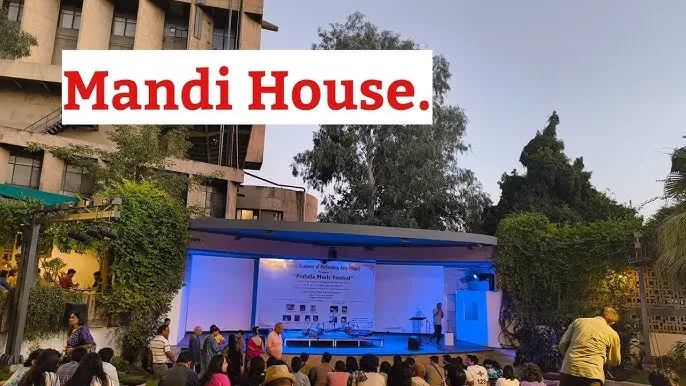
Each evening, the streets around Delhi’s cultural nucleus, Mandi House, come alive well before performances commence. A mix of students, families, and frequent theatre-goers gather outside various auditoriums, some holding tickets while others await their collection. Nearby, theatre practitioners engage in discussions, rehearsing lines and furiously jotting down last-minute notes, cups of chai in hand. The air is tinged with an artistic essence as excitement builds amidst conversations debating previous shows and expressing anticipation for the night’s performance. One elderly patron consistently returns to watch a specific play, discovering new insights each time, while a young admirer dreams of one day joining this vibrant realm. In this crowd, an individual reconnects with buried emotions often masked in daily life.

The Historical Significance of Theatre

Theatre stands as one of the oldest forms of artistic expression, enchanting audiences with live narratives that mirror societal issues and personal experiences. Long before the advent of cinema, communities gathered to witness dramatic interpretations of myths and human struggles. Ancient Greek theatre was not just entertainment; it served civic purposes and provoked critical discussions about morality, human fate, and societal norms. Notable works like Sophocles’ Oedipus Rex and Euripides’ Medea broached profound themes, setting a foundation for modern dramatists such as those who contributed to the Theatre of the Absurd and memory-driven performances like The Glass Menagerie.

The Roots of Indian Theatre

India boasts a rich theatrical history extending over 2,000 years, with its foundations laid in Bharata Muni’s Natyashastra, an ancient guide detailing various facets of performance, from stagecraft to gestures. Central to this heritage is the concept of rasa, or aesthetic experience, establishing Indian theatre as a philosophical expression rather than mere storytelling. Classical Sanskrit drama thrived through playwrights such as Kalidasa and Śūdraka, known for their lyrical narratives exploring love and human values. Over time, Indian theatre diversified into regional folk traditions, including Uttar Pradesh’s Ramlila and Bhavai of Gujarat, embedding theatrical expression deeply within local cultures.

Contemporary Indian Theatre

Modern Indian theatre continues to evolve, tackling pressing social, political, and existential themes. Celebrated works include Girish Karnad’s Tughlaq, which delves into ideals and ambitions, and Mohan Rakesh’s Aadha Adhure, showcasing middle-class family dynamics. Other notable plays like Ashadh Ka Ek Din explore the dichotomy between love and ambition, while Dharamvir Bharti’s Andha Yug scrutinizes the consequences of conflict. Additionally, Saadat Hasan Manto’s Toba Tek Singh poignantly reflects on the Partition’s absurdity and trauma, solidifying theatre’s role in instigating dialogue about societal issues.

The Vital Spaces Supporting Theatre

Across India, venues dedicated to theatre nurture artistic expression, from the National School of Drama to Mumbai’s Prithvi Theatre, fostering cultural ecosystems. These spaces are not solely performance stages; they harbor the creative collaborations and struggles that bring stories to life. In the often unseen world behind productions, artists face challenges ranging from financial instability to the pressures of artistic expression, which shape the theatrical journey and serve as a testament to their dedication.

The Demands and Transformations of Theatre

Theatre requires artists to engage deeply, fostering a keen sensitivity to human behaviors and emotions. This art form transcends mere performance, encompassing a blend of movement, rhythm, voice, and silence. The line between actor and spectator blurs, creating an immersive experience that is both personal and collective. As one actor describes, the intricacies of theatre shape their understanding of humanity, allowing for profound connections with both the craft and the audience.

Theatre in a Digital Era

In a world increasingly dominated by digital media, live theatre’s immediacy remains unparalleled. The unique energy of shared space between actor and audience fosters a raw experience that cannot be replicated on screen. Emerging artists emphasize the vulnerability inherent in live performances, which compels both performers and viewers into the moment. This authenticity underlines theatre’s enduring significance, allowing it to resonate with audiences in a way that fosters reflection and dialogue.

Long or Short, get news the way you like. No ads. No redirections. Download Newspin and Stay Alert, The CSR Journal Mobile app, for fast, crisp, clean updates!

App Store –  https://apps.apple.com/in/app/newspin/id6746449540 

Google Play Store – https://play.google.com/store/apps/details?id=com.inventifweb.newspin&pcampaignid=web_share

Latest News

Popular Videos