


The Environmental Impact of Warfare: Altering Weather Patterns
The CSR Journal Magazine

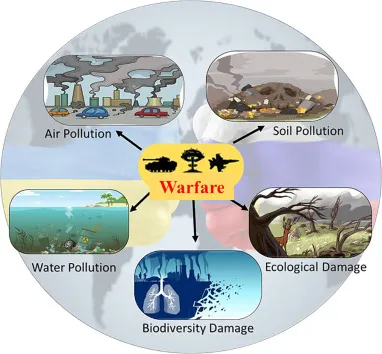
Warfare has profound implications for our environment, particularly influencing atmospheric conditions such as the formation of acid rain. The emissions from military activities, including the use of explosives and combustion of materials, release harmful gases like sulphur dioxide and nitrogen oxides into the air. These pollutants combine with moisture in the atmosphere to create sulphuric and nitric acids, resulting in acid rain. Research indicates that regions experiencing intense warfare are more prone to this phenomenon. Acid rain poses significant ecological threats, damaging forests, rivers, and wildlife, while also adversely impacting human health. The presence of acid in the rain can lead to thick fog that irritates the respiratory system and eyesight, highlighting the often-overlooked environmental consequences of armed conflict.

Toxic Fog and Visibility Issues in Conflict Areas

Another environmental outcome of warfare is the generation of toxic fog, an artificial weather condition characterized by air pollution. A notable instance occurred in Iraq, where the ignition of oil wells produced dense smoke that obscured sunlight and enveloped the region in soot. Fires induced by military actions release large quantities of pollutants daily, including significant volumes of sulphur dioxide. This pollution mixes with atmospheric moisture to create hazardous gas formations that not only reduce visibility but also alter temperature, inhibit sunlight exposure, and degrade air quality, effectively changing the local microclimate.

Atmospheric Contamination from Chemical Warfare

Modern conflicts increasingly involve the deployment of chemical agents, which significantly contribute to atmospheric degradation. These substances can linger in the air and persist in soil and water, entering the atmosphere through evaporation. Environmental assessments indicate that wars lead to the extensive use of hazardous chemicals and heavy metals, resulting in widespread pollution. Such contamination can alter the characteristics of precipitation, complicating the natural water cycle. A specific study focusing on the Tigris River during periods of conflict identified alarming concentrations of heavy metals that surpassed standards set by the World Health Organization, underscoring the long-term consequences of chemical warfare on the environment.

Long-Term Climate and Ecological Consequences

While the immediate effects of warfare may not dramatically shift global weather patterns, the long-lasting damage inflicted on ecosystems can be severe. Armed conflict often leads to habitat destruction and widespread contamination of air and water, disrupting natural balances essential for ecosystem health. This ecological disruption can, over time, contribute to alterations in weather patterns, as war not only devastates the environment but also influences climatic conditions. The resultant pollution, manifesting in forms such as acid rain and toxic fog, illustrates how warfare impacts the environment and serves as a reminder of the far-reaching consequences of military engagements.

Long or Short, get news the way you like. No ads. No redirections. Download Newspin and Stay Alert, The CSR Journal Mobile app, for fast, crisp, clean updates!

App Store –  https://apps.apple.com/in/app/newspin/id6746449540 

Google Play Store – https://play.google.com/store/apps/details?id=com.inventifweb.newspin&pcampaignid=web_share

Latest News

Popular Videos
