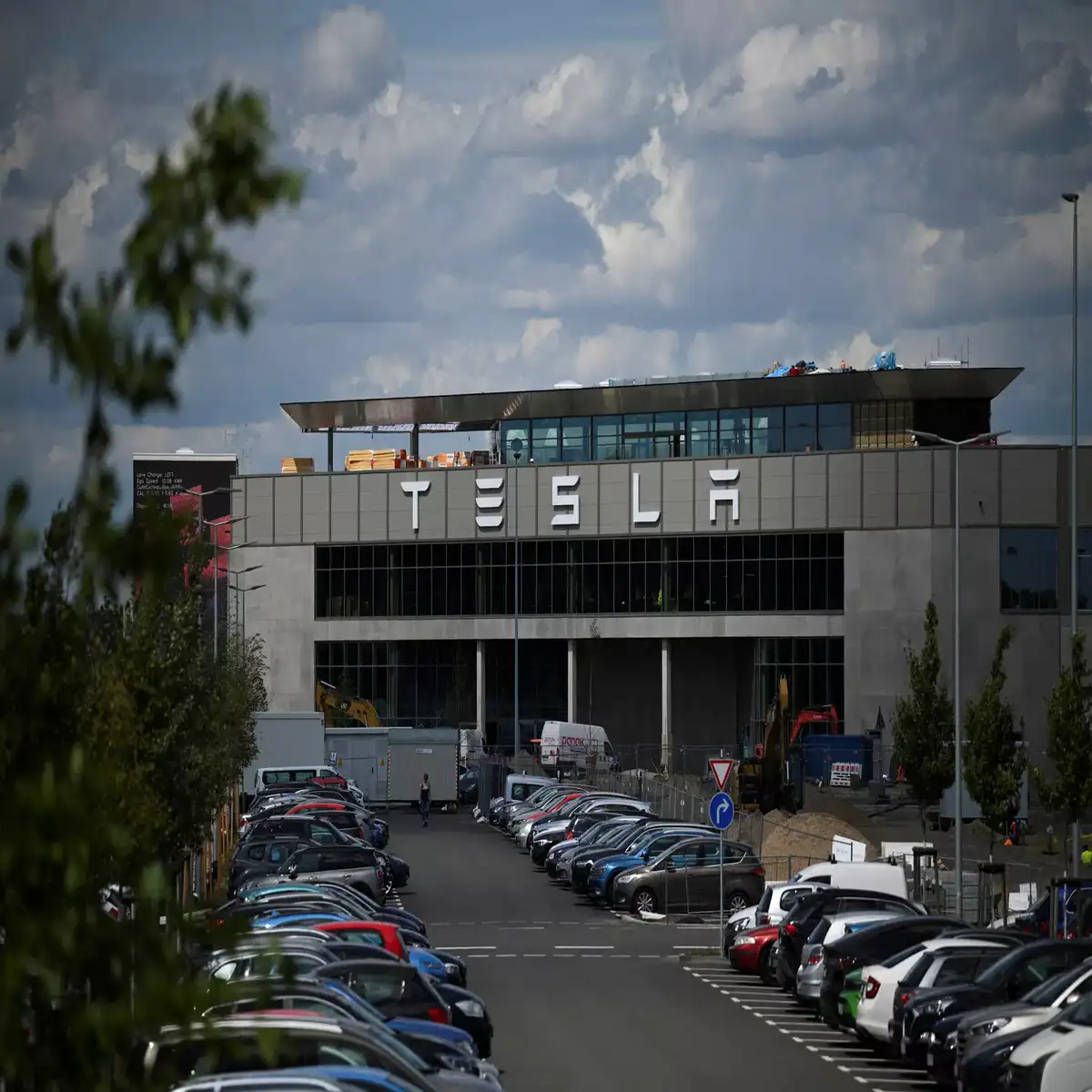
A recent trade agreement between India and the United States has provided a notable reprieve for luxury automobiles and Harley-Davidson motorcycles. However, the exclusion of electric vehicles from this deal has complicated Tesla’s position in the Indian market. The decision to keep electric vehicle imports outside the agreement has raised significant challenges for the company, which has been lobbying for a reduction in import duties.
Elon Musk’s Setback in India
Tesla’s CEO, Elon Musk, has long advocated for lowered import tariffs to facilitate the introduction of electric vehicles in India. The latest developments have dealt a substantial blow to his aspirations, as the exclusion from the trade pact means that any reduction in costs on Tesla’s offerings in the country remains elusive. This situation adds to the complexities Tesla faces as it aims to establish a foothold in the Indian automotive sector.
Impact on Electric Vehicle Investments
The decision to exclude electric vehicles from the trade agreement may hinder Tesla’s plans for future investments in India. The company has expressed interest in entering the Indian market, but the current tariffs on imported vehicles could limit its potential success. Analysts believe that without a favorable policy environment, prospects for electric vehicle adoption in India might be stymied, affecting the market’s growth.
Market Reactions and Considerations
The automotive market in India has been witnessing increased interest in electric vehicles, driven by various government initiatives and a rising consumer awareness of sustainability. However, the absence of support for electric vehicle imports from the recent trade deal may deter international manufacturers from launching their products in the Indian market. Stakeholders are now considering how this development might influence the future trajectory of electric mobility in the country.
Challenges for Domestic Electric Vehicle Manufacturers
This situation also poses challenges for domestic electric vehicle manufacturers, who may struggle to compete with Tesla and other international companies. The lack of reduced tariffs could leave these companies at a disadvantage, further complicating the ecosystem for electric mobility in India. A balanced approach that supports both international giants and local manufacturers could be essential for fostering a thriving electric vehicle market.
Future of Electric Vehicle Policy in India
The current trade agreement highlights the complexities of India’s regulatory environment concerning electric vehicles. Policymakers may need to reconsider their strategies for facilitating the growth of the electric vehicle industry. As the market evolves, the need for policies that balance international collaboration while supporting domestic industry will become increasingly apparent.
In summary, while the recent India-US trade deal may offer immediate benefits for luxury vehicles, its restrictions on electric vehicles pose uncertain challenges for Tesla and other international players looking to penetrate the Indian market. The path forward remains to be seen as companies and policymakers navigate this evolving landscape.