


Supreme Court Overturns Retrial Order in 2007 Murder Case, Calls Procedural Lapse Non-Fatal
The CSR Journal Magazine

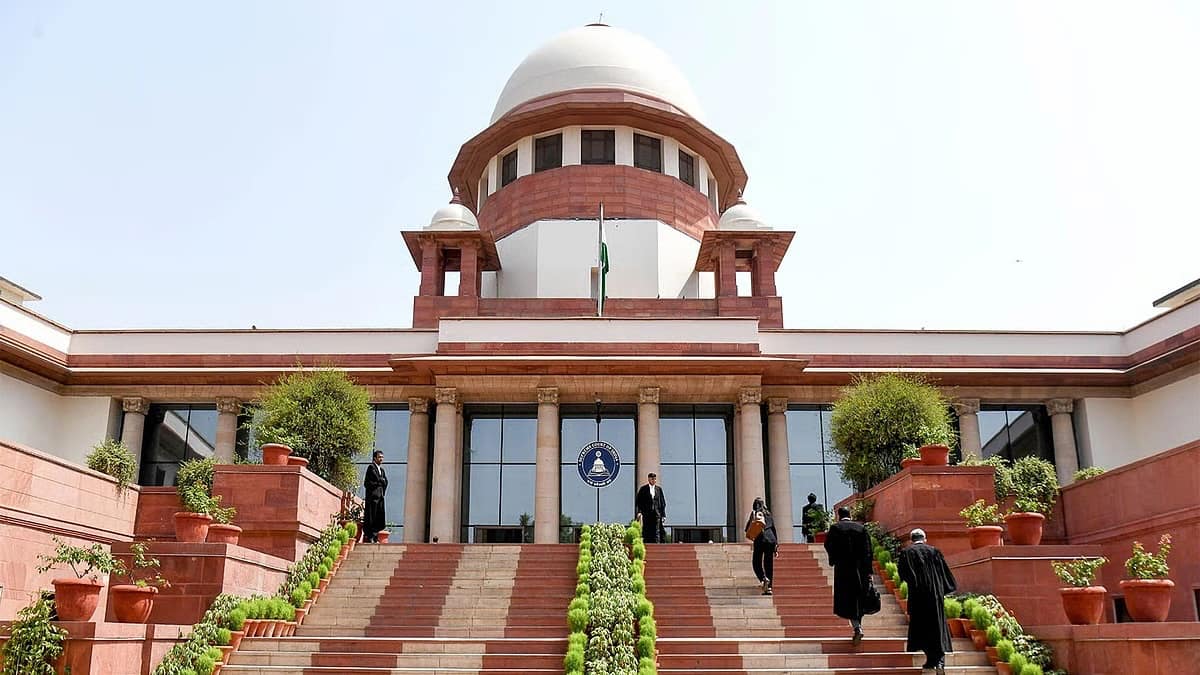
The Supreme Court has dismissed an order for a retrial in a 2007 murder case, emphasizing that procedural mistakes should not annul years of judicial efforts. The court highlighted that a minor error, specifically the trial judge’s failure to sign the order framing charges, should not overshadow the substantial progress made over the years. The Allahabad High Court had ruled for a retrial even though the case neared a conclusion, marking a significant shift in judicial proceedings.

Judicial Findings on Procedural Irregularities

A bench composed of Justices Ahsanuddin Amanullah and R Mahadevan reiterated that the omission was not a critical error that would compromise the integrity of the trial. The justices argued that procedural irregularities can be remedied and should not hinder justice. They cited a previous ruling from a constitutional bench, which differentiates between serious legal violations and those that are merely technical. According to the court, only flaws that significantly impact jurisdiction or result in unfair prejudice can invalidate legal proceedings.

Context of the Case and Developments

This particular case involves nine defendants, with charges framed in 2009, although the order remained unsigned due to one accused’s absence at that time. For 15 consecutive years, the trial progressed without incident. The issue regarding the unsigned order was only presented at the end of the trial in 2024, leading to the High Court’s decision to initiate a retrial. The Supreme Court’s ruling has now overturned that decision, emphasizing the importance of upholding the justice process over technical deficiencies.

Impact on Justice Administration

The Supreme Court expressed concerns about the implications of allowing late-stage challenges based on procedural errors, cautioning that such actions could impede the fundamental objectives of criminal law. The court noted that raising issues after significant delays, particularly after the passing of key witnesses, undermines the integrity of judicial proceedings. The bench reaffirmed that the lack of a signature did not render the entire trial void, given that the charge framing process was conducted properly and the parties involved were fully aware of the charges, allowing them to contest effectively.

Concluding Views on Accused Rights

The justices underscored that the record clearly illustrates that the accused not only understood the allegations against them but also participated actively in their defense throughout the trial. The nature of the cross-examination and defense strategies indicated that the accused were neither confused nor disadvantaged by the procedural lapse. This ruling highlights the court’s commitment to ensuring that justice is not obstructed on mere formalities, thereby affirming the principle that the judicial process should focus on the substantive issues in cases rather than on technicalities.

Long or Short, get news the way you like. No ads. No redirections. Download Newspin and Stay Alert, The CSR Journal Mobile app, for fast, crisp, clean updates!

App Store –  https://apps.apple.com/in/app/newspin/id6746449540 

Google Play Store – https://play.google.com/store/apps/details?id=com.inventifweb.newspin&pcampaignid=web_share

Latest News

Popular Videos
