


app-store-logo
play-store-logo
February 20, 2026

Study Reveals How Snakes Survive Months Without Food
The CSR Journal Magazine

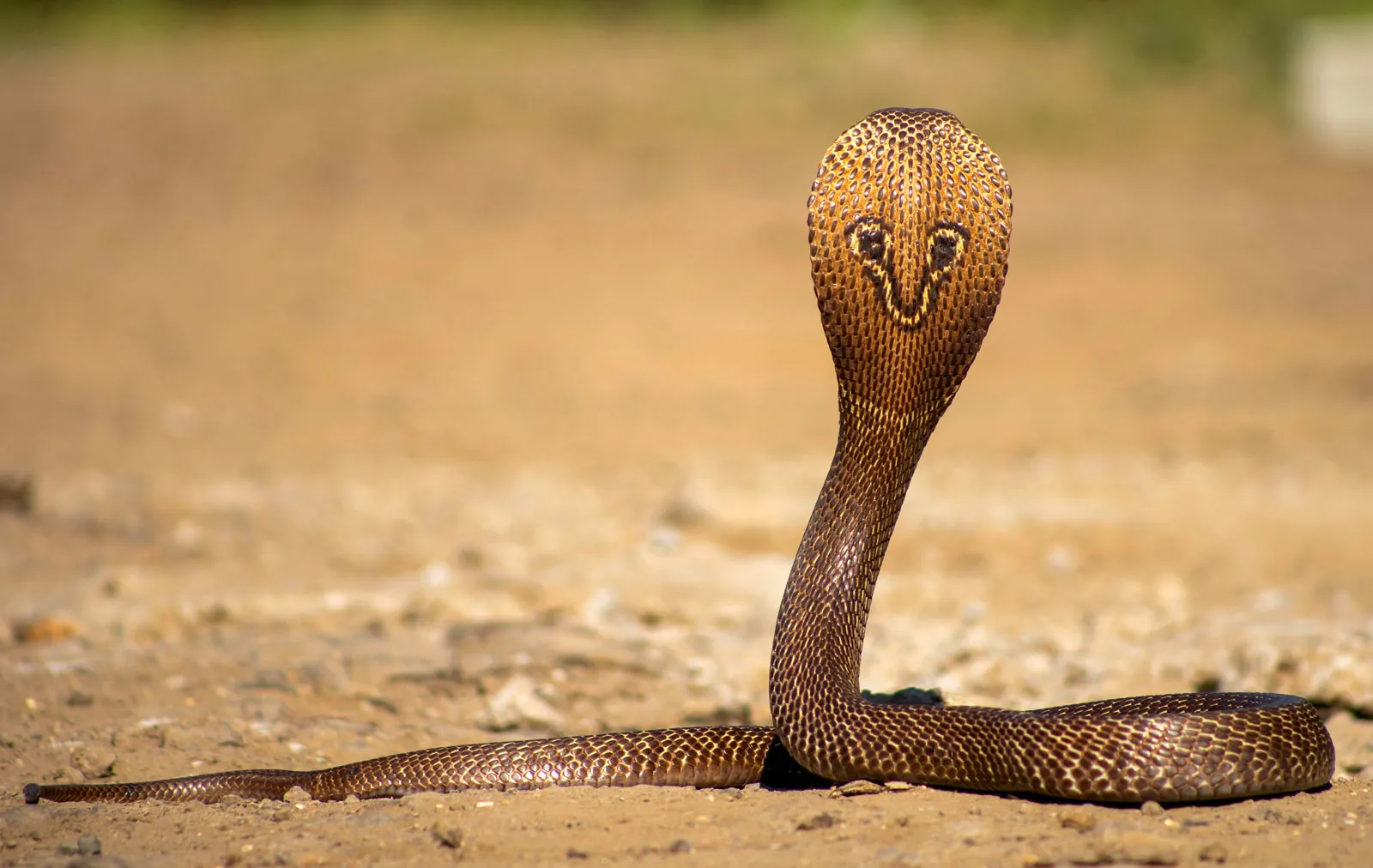
Snakes demonstrate remarkable survival capabilities, often able to go without food for weeks or even months. Recent research sheds light on the genetic factors that contribute to this extraordinary ability. One significant finding indicates that various snake species lack a gene responsible for producing ghrelin, a hormone commonly known as the “hunger hormone,” which plays a crucial role in appetite regulation.

Understanding Ghrelin and Its Functions

Ghrelin is a hormone primarily produced in the stomach, which signals the brain to stimulate appetite. This hormone increases before meals, encouraging eating, and decreases after consumption. Additionally, ghrelin influences several other physiological processes, including metabolism, fat storage, insulin sensitivity, and the release of growth hormones in mammals. The absence of ghrelin essentially diminishes the capacity of an organism to experience hunger.

Genomic Insights from the Study

Researchers investigated the genomes of 112 reptile species, including snakes, crocodiles, and chameleons. Their analysis revealed that both the ghrelin gene and the gene for MBOAT4, an enzyme necessary for activating ghrelin, are absent in 32 snake species, particularly within the Colubridae family, which encompasses more than 200 genera. Interestingly, this gene deficiency was not limited to snakes; certain chameleons and toadhead agama lizards, which typically have more frequent feeding habits, also lack these genes. Conversely, crocodiles, which can endure fasting for extended periods, retain both genes.

The Complex Relationship Between Ghrelin and Hunger

The absence of ghrelin does not directly correlate with the sensation of hunger. In mammals, the relationship between ghrelin and appetite is more intricate than previously understood. Studies indicate that mice devoid of the ghrelin gene still consume food and maintain body weight within normal ranges. Moreover, in both mice and humans, levels of active ghrelin and its activating enzyme frequently increase after food intake, contradicting the expectations of a simple hunger signal.

Expert Perspectives on the Findings

Rui Pinto, associated with the Interdisciplinary Centre of Marine and Environmental Research in Porto, Portugal, suggests that the role of ghrelin in snakes may be tied to their unique metabolic needs, such as fat storage and insulin regulation, which differ markedly from mammals. Experts have expressed varied reactions to these findings. Todd Castoe, an evolutionary geneticist at the University of Texas at Arlington, described the discovery as “striking,” highlighting that many in the field had previously overlooked this pattern. Meanwhile, Tobias Wang, a zoophysiologist from Aarhus University in Denmark, advised caution regarding the perceived metabolic significance of ghrelin.

The Need for Further Research

Rute Fonseca, co-author and evolutionary geneticist at the University of Copenhagen, acknowledged that the current genomic research serves as a foundation for future studies. She emphasized the importance of conducting more detailed experiments, such as genetically modifying crocodiles to lack the ghrelin gene or administering the hormone to snakes. Such approaches could enhance understanding of the hormone’s function across different species.

Long or Short, get news the way you like. No ads. No redirections. Download Newspin and Stay Alert, The CSR Journal Mobile app, for fast, crisp, clean updates!

App Store –  https://apps.apple.com/in/app/newspin/id6746449540 

Google Play Store – https://play.google.com/store/apps/details?id=com.inventifweb.newspin&pcampaignid=web_share

Latest News

Popular Videos
