


app-store-logo
play-store-logo
March 6, 2026

Strait of Hormuz Tensions Spark Energy Security Concerns for Oil-Dependent India
The CSR Journal Magazine

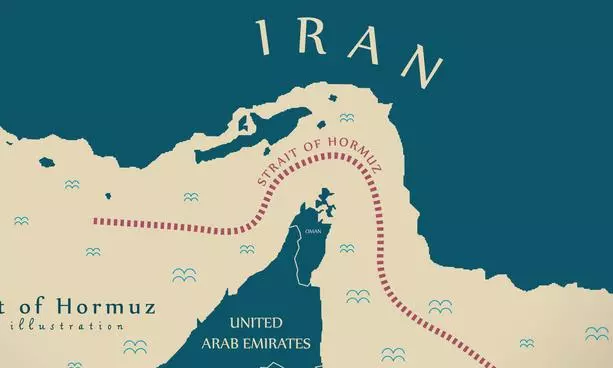
The Strait of Hormuz, a vital maritime corridor bordered by Iran and Oman, is experiencing heightened concerns due to escalating tensions between Iran and both the United States and Israel. This strait plays a crucial role in global energy transportation, handling approximately 20 million barrels of crude oil and significant volumes of liquefied natural gas (LNG) daily. It is responsible for nearly 25% of the world’s oil trade and about 20% of LNG trade, making it one of the world’s most strategically important shipping routes. Disruption in this area could lead to soaring oil prices, interrupted supply chains, and increased volatility in international financial markets. According to industry analysts, the current situation poses a significant risk to energy supplies as tensions escalate and damage to key regional infrastructure has been reported.

Impact on India’s Energy Security

India is particularly vulnerable to disruptions in the Strait of Hormuz, as it relies heavily on oil imports, with over 85% of its crude oil sourced externally, predominantly from the Middle East. Approximately 50-55% of India’s oil and LNG imports transit through this strait. Currently, India’s strategic petroleum reserves are only sufficient to cover about eight to nine days of demand, and there are no comparable reserves for natural gas. If tensions result in prolonged disruptions, the country could face severe supply challenges. Analysts note that rationing of gas supplies is likely in the near term if the situation does not resolve swiftly.

Consequences for Energy Companies

The expected disruptions in the Strait of Hormuz could create far-reaching implications for energy corporations across the nation. While oil marketing companies may have the option to procure crude from alternative sources, they would face sharply increased costs due to elevated crude prices and longer shipping routes, along with soaring freight and insurance expenses. Regulatory measures on retail fuel prices may prevent companies from fully passing these costs onto consumers, thereby compressing profit margins. Several firms, including Indian Oil Corporation, Bharat Petroleum Corporation Limited, and Hindustan Petroleum Corporation Limited, are observed with caution by market analysts. Furthermore, gas transmission and LNG import firms like GAIL (India) Limited and Petronet LNG Limited are anticipated to experience reduced volumes and heightened LNG costs.

Beyond Oil: Wider Implications

Even as global oil markets were reported to be oversupplied and some OPEC nations planned production increases, industry experts warn that logistical disruptions present unique challenges. In situations where transport routes are compromised, spare production capacities may not provide immediate assistance. Analysts emphasize that this disruption transcends merely a price shock, categorizing it instead as a transit shock. Temporary interruptions in the Strait of Hormuz could reshape global trade patterns, inflating energy costs and underscoring vulnerabilities in economies reliant on imports like India. This crisis serves to highlight the substantial ramifications that regional tensions can have on the global economic landscape, exhibiting that even distant geopolitical issues can significantly influence local markets.

Long or Short, get news the way you like. No ads. No redirections. Download Newspin and Stay Alert, The CSR Journal Mobile app, for fast, crisp, clean updates!

App Store –  https://apps.apple.com/in/app/newspin/id6746449540 

Google Play Store – https://play.google.com/store/apps/details?id=com.inventifweb.newspin&pcampaignid=web_share

Latest News

Popular Videos
