


app-store-logo
play-store-logo
March 2, 2026

Strait of Hormuz Back in Focus Amid Rising Oil Prices and Economic Concerns
The CSR Journal Magazine

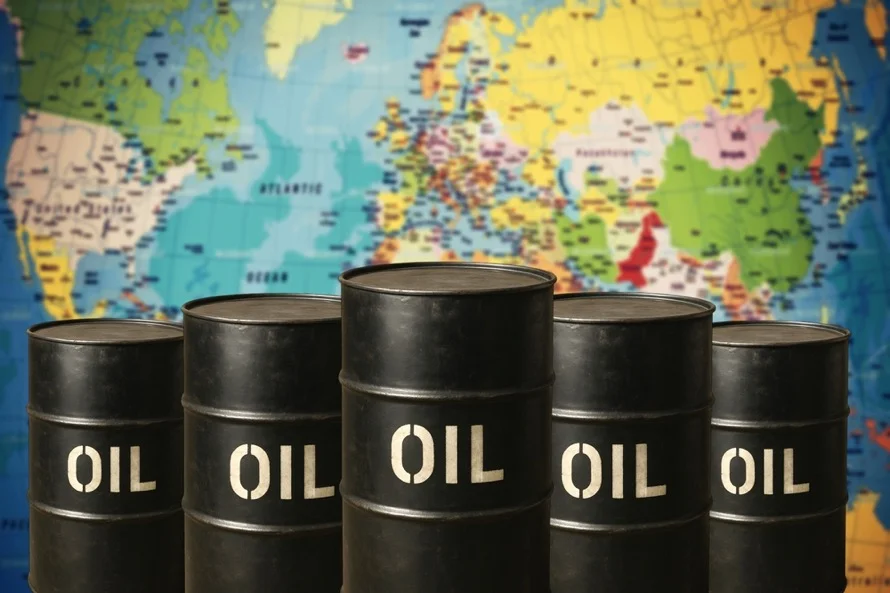
The Strait of Hormuz has become a focal point for global attention as tensions in West Asia contribute to rising oil prices and concerns over supply disruptions. This critical waterway links major energy-producing nations, including Saudi Arabia, Iran, Iraq, the United Arab Emirates, Kuwait, and Qatar, making its role in global oil and gas exports significant. Recent military escalations, particularly between Iran and the United States and Israel, have intensified market volatility, further exacerbated by reports indicating the potential death of Iranian Supreme Leader Ayatollah Ali Khamenei. The region has witnessed attacks on multiple vessels near the Strait, adding to the uncertainty in oil supply chains.

Market Reactions to Recent Events

On Monday, oil markets experienced sharp fluctuations following Iran’s military response to previous airstrikes. Brent crude oil prices surged above $82 per barrel, marking the highest level since January 2025, while US West Texas Intermediate (WTI) exceeded $75 per barrel, a peak not seen since June. However, prices later adjusted, with Brent falling below $79 and WTI dipping under $72 as market participants recalibrated their assessments of potential supply risks. The Strait of Hormuz is essential for global oil trade, with approximately 20 percent of the world’s oil and gas passage occurring through this narrow corridor.

Daily Operations and Shipping Risks

On a typical day, the Strait sees the transit of oil equivalent to one-fifth of global demand. For India, a significant majority—over 40 percent—of its crude oil imports travel through this vital route. This includes shipments from major exporters like Saudi Arabia, Iraq, and Iran. The current tensions have led to more than 200 vessels anchoring outside the Strait, with three tankers reported damaged and one crew member killed due to the conflict. Iran has purportedly issued warnings to vessels transiting through the region, prompting many shipowners and traders to halt shipments to ensure safety.

Reasons Behind the Price Surge

The recent escalation has triggered fears of potential supply disruptions at this crucial chokepoint. According to analysts, a sustained increase in oil prices would only be likely if disruptions persist for a considerable period, ranging from four to five weeks. Although Brent crude prices had already risen approximately 19 percent year-to-date before this latest spike, analysts emphasize that OPEC+ production increases cannot fully mitigate the repercussions of a blockade impacting one-fifth of global energy supplies. Most OPEC+ producers are operating at capacity, with Saudi Arabia being an exception.

Broader Economic Implications

The ongoing crisis is also altering economic forecasts throughout the Gulf region. JPMorgan has revised its non-oil growth estimates downward by 0.3 percentage points for several Gulf economies, with Bahrain and the UAE facing the most significant reductions. The firm also updated its interest rate expectations, indicating a potential shift in monetary policy across affected countries. The International Energy Agency is closely monitoring production levels and oil inventories, which currently stand at approximately 7.827 million barrels, sufficient for about 74 days of demand.

Impact on India’s Economy

India faces direct repercussions from this unstable situation. Analysts indicate that every one US dollar increase in crude oil prices could raise India’s annual import bill by roughly two billion dollars. Prolonged tensions may lead to increased logistics and marine insurance costs, disrupting shipping routes within the Gulf. Additionally, this scenario could place pressure on the Indian rupee and potentially prompt intervention by the Reserve Bank of India, using foreign exchange reserves. Higher crude prices present inflation risks, leading to rising bond yields and affecting equity valuations throughout the market. If calm returns to the Strait of Hormuz soon, the effects on oil prices may be temporary. However, any extended disruptions could yield far-reaching consequences for fuel costs, inflation, and economic growth in India and other significant importing countries.

Long or Short, get news the way you like. No ads. No redirections. Download Newspin and Stay Alert, The CSR Journal Mobile app, for fast, crisp, clean updates!

App Store –  https://apps.apple.com/in/app/newspin/id6746449540 

Google Play Store – https://play.google.com/store/apps/details?id=com.inventifweb.newspin&pcampaignid=web_share

Latest News

Popular Videos
