


app-store-logo
play-store-logo
February 12, 2026

Stop Putting These Foods in the Fridge – Here’s Why Your Tastebuds Will Thank You
The CSR Journal Magazine

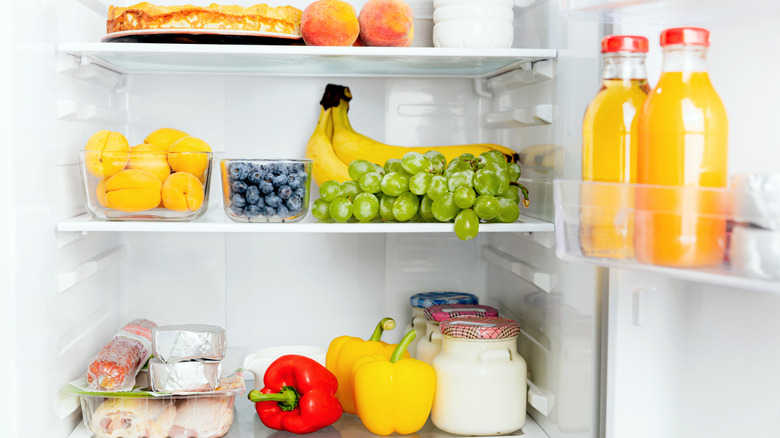
While many people believe that refrigeration is the best way to preserve food, this is not always the case. Cold temperatures can actually alter the texture, flavor, and nutritional value of certain everyday items. Some foods are better suited for storage at room temperature, which can also help reduce food waste and enhance taste. Here, we explore several common items that should not be placed in the refrigerator and explain why.

Not all foods benefit from refrigeration. Cold temperatures can alter texture, flavor, and nutrients in certain items. Storing some foods at room temperature not only preserves their taste but also helps reduce waste. Understanding which items are best kept outside the fridge ensures optimal freshness and quality.

Fruits That Lose Flavor in the Fridge

Tomatoes: Refrigeration breaks down their cell structure, making them mushy and less sweet. Keep tomatoes at room temperature, away from direct sunlight, and consume within a few days.

Bananas: Cold stops ripening, darkens peels, and affects taste. Store at room temperature until fully ripe; briefly refrigerate after ripening to slow spoilage.

Unripe Avocados: Must ripen at room temperature. Refrigeration too early prevents softening; once ripe, refrigeration can extend freshness.

Vegetables and Bulbs That Prefer Cool, Dry Storage

Potatoes: Cold converts starch to sugar, affecting taste and cooking. Store in a cool, dark pantry in paper or mesh bags.

Onions: Moisture in the fridge leads to spoilage. Keep in a ventilated, dry space away from potatoes to prevent accelerated decay.

Garlic: Refrigeration can make garlic sprout or become rubbery. Store bulbs in a cool, dry, well-ventilated area.

Pantry Staples and Condiments

Bread: Fridge dries bread and accelerates staling. Use a bread box or sealed container at room temperature. Freeze for long-term storage.

Honey: Doesn’t spoil but crystallizes in cold storage. Keep tightly sealed at room temperature.

Coffee: Refrigeration exposes coffee to moisture and odors, reducing flavor. Store in airtight containers in a cool, dry place.

Cooking Oils: Olive and other oils can turn cloudy and thick in the fridge. Store in a dark, cool cabinet away from heat.

Recognizing which foods thrive at room temperature versus those that need refrigeration can enhance taste, preserve nutrients, and reduce waste. While dairy, meat, and other perishables require cold storage, many fruits, vegetables, and pantry items perform best outside the fridge.

Long or Short, get news the way you like. No ads. No redirections. Download Newspin and Stay Alert, The CSR Journal Mobile app, for fast, crisp, clean updates!

App Store –  https://apps.apple.com/in/app/newspin/id6746449540 

Google Play Store – https://play.google.com/store/apps/details?id=com.inventifweb.newspin&pcampaignid=web_share

Latest News

Popular Videos
