
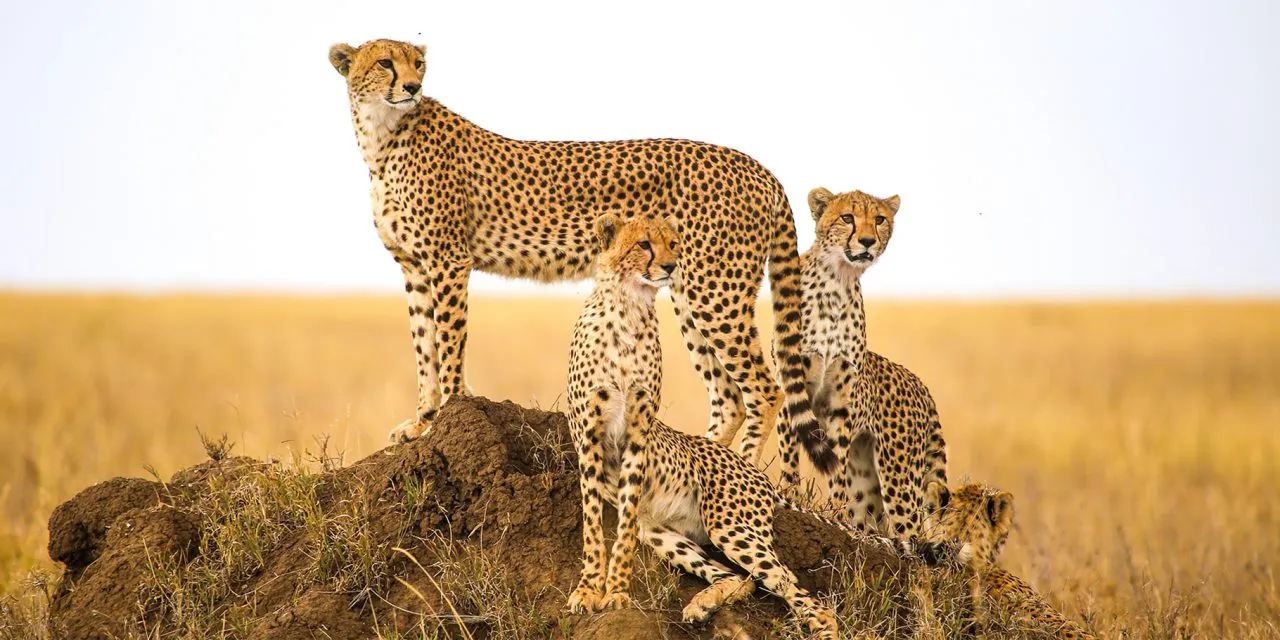
Every year on International Cheetah Day, the world pauses—if only for a moment—to honour a creature that rarely pauses at all. The cheetah, the planet’s fastest sprinter, has been a symbol of elegance, power, and freedom for thousands of years. Yet today, this incredible animal finds itself running a very different race—a race for survival.
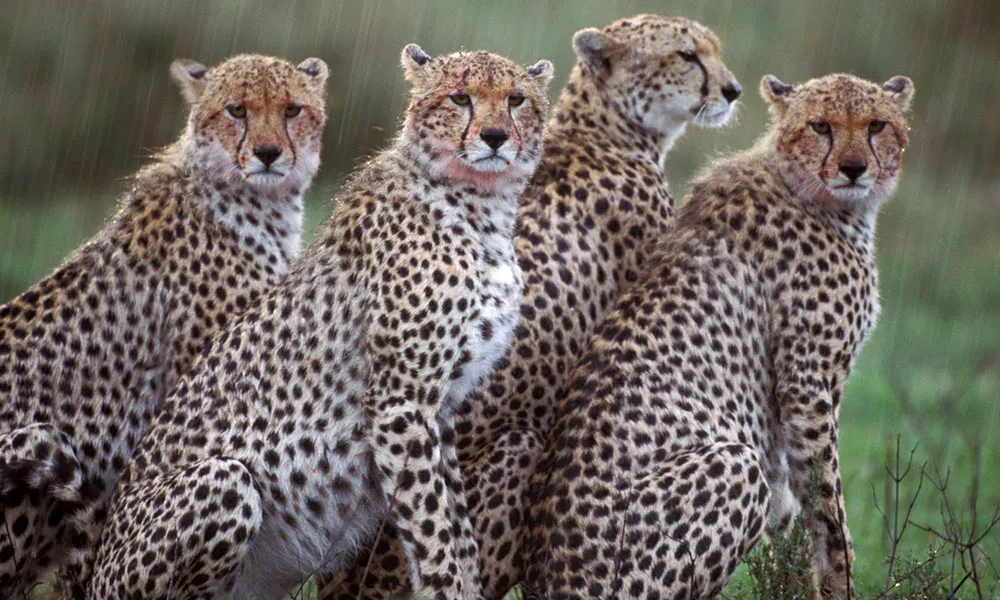
What makes the cheetah’s story so gripping is the contrast between its strength and its vulnerability. Built for speed with a flexible spine, long legs, and a heart designed like an engine, the cheetah can outrun every animal on land. But the one thing it can’t outrun is the rapid destruction of its home. Over time, massive stretches of grasslands—once perfect hunting grounds—have been swallowed by farms, highways, and growing cities. For an animal that depends on space, losing habitat is like losing breath. International Cheetah Day reminds us that even the fastest species slows down when the world keeps shrinking around it.
This shrinking space also pushes cheetahs closer to human settlements, where misunderstandings quickly turn into conflict. When a cheetah wanders near livestock, fear often takes over, even though cheetahs are shy animals that rarely attack unless desperate. These encounters don’t just put cheetahs at risk—they also put communities in difficult positions. International Cheetah Day helps highlight this tension and encourages more thoughtful coexistence. Smarter fencing, compensation programs, and awareness campaigns can protect both farmers and wildlife, proving that harmony isn’t impossible; it just needs effort.
Another crucial part of this day is recognizing the people and organizations fighting tirelessly for the cheetah’s future. With fewer than 7,000 left in the wild, conservationists are working around the clock—tracking their movements, safeguarding their habitats, and teaching communities how to live alongside them. Saving a species isn’t the job of a single country or team. It needs shared commitment, international cooperation, and a belief that the story is not over yet.
For India, the story carries emotional weight. Decades ago, the country lost its native cheetahs, marking the only time India saw the complete extinction of a large mammal from its soil. But instead of letting that chapter close, India chose to rewrite it. With Project Cheetah, the nation undertook the bold task of bringing the species back—importing cheetahs from Africa, creating protected zones, and restoring grasslands. The journey hasn’t been easy. There have been challenges, setbacks, and debates. But there has also been hope. The mere sight of a cheetah racing across Indian soil after 70 years carries a kind of magic that cannot be measured—proof that restoration is possible when we choose to act.
But International Cheetah Day isn’t just for policymakers, conservationists, or scientists. It’s for young people too—the students who watch documentaries with wide eyes, the kids who draw cheetahs in their notebooks, the future leaders who will carry this mission forward. When schools host workshops or parks hold awareness walks, they’re not just teaching facts. They’re planting seeds. Seeds of empathy, curiosity, and responsibility. Because every movement for change begins with someone who cares enough to learn.
Ultimately, the story of the cheetah is a reminder of something much bigger. Saving this magnificent animal isn’t just about numbers or biology—it’s about preserving a piece of the planet’s soul. Cheetahs are more than their speed; they are part of the Earth’s ancient rhythm, part of the wildness that makes our world beautiful and whole.
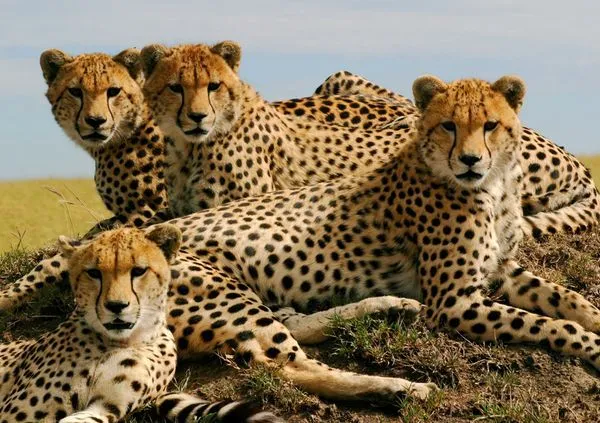
As we mark International Cheetah Day, we are reminded that while the cheetah can run at lightning speed, its future depends on us slowing down—long enough to listen, to understand, and to act. The race to save this extraordinary animal is underway, and every voice, every action, every choice brings us one step closer to ensuring that the cheetah’s story continues to be one of survival, not loss.