


app-store-logo
play-store-logo
February 26, 2026

Six Seats, Big Goals: What’s Next for Bangladesh’s Student-Led NCP?
The CSR Journal Magazine

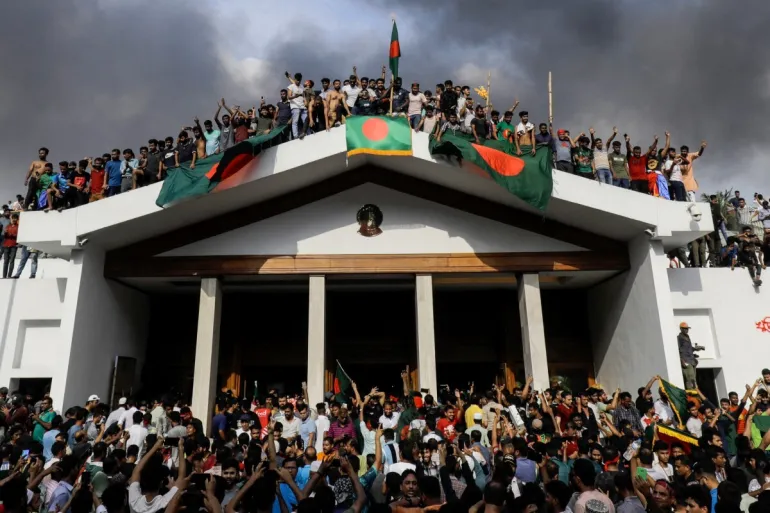
In Dhaka, Bangladesh, the National Citizen Party (NCP) emerged in the wake of a significant uprising that led to the ousting of Sheikh Hasina in 2024. Voters longing for a credible alternative, found hope in the newly formed party. The NCP was officially established in February 2025, with its leaders expressing optimism about gaining substantial public support and potential electoral success.

Electoral Performance and Alliances

However, the party encountered challenges in translating its initial momentum into a structured grassroots organization capable of competing independently in elections. Pre-election surveys indicated that the NCP’s support remained limited, prompting a strategic alliance with the Bangladesh Jamaat-e-Islami party, which allowed the NCP to contest 30 out of 300 parliamentary seats. The electoral outcome resulted in the NCP securing only six seats, amid a significant victory for the Bangladesh Nationalist Party (BNP), which garnered 212 seats. While critics view this performance as a reflection of the challenges faced by new political entities, NCP leaders view it as a pivotal start.

Internal Tensions and Ideological Concerns

The alliance with Jamaat has introduced internal discord within the NCP, as several senior members resigned due to ideological mismatches. The Jamaat, known for its conservative views, has historically advocated for Islamic law, raising concerns among some NCP supporters regarding the compatibility of the coalition with the party’s foundational values. Despite these issues, NCP spokesperson Asif Mahmud characterized the election results as a positive achievement for a newly established party, emphasizing the need for representation in the existing political landscape.

Future Political Strategies

Looking ahead, NCP leaders maintain their intent to contest upcoming local elections independently but have not ruled out future collaborations with Jamaat. SM Suza Uddin, an NCP contestant from Bandarban, described the alliance as a necessity given the limited options available. The NCP sees itself as a generational response to political discontent in Bangladesh, asserting a desire for change among the electorate.

Challenges Ahead

However, former NCP leader Anik Roy expressed skepticism about the party’s future independence, highlighting the need for ideological clarity. The success of their next steps, particularly in local elections, could define the NCP’s trajectory and its relationship with Jamaat. The party’s ability to articulate a centrist ideology also remains under scrutiny amid concerns of becoming overly reliant on its alliance partner.

The Impact of the 2024 Uprising

The NCP’s foundation is largely built on the 2024 student-led uprising, which briefly unified various opposition groups. As the political landscape shifts, Mahmud pointed out the inevitability of conflict within party politics while stressing that the NCP must navigate its new role as a legitimate political entity. Political analysts have noted the NCP’s struggles with establishing a distinct agenda and operating independently from the established parties, indicating a complex road ahead.

The Path Forward

In conclusion, the NCP occupies a unique position, representing the aspirations of a new generation in a polarized political environment. While its six parliamentary seats mark a significant milestone, the journey towards establishing itself as a formidable political player in Bangladesh will hinge on its upcoming strategic decisions and ability to engage with broader civil society effectively.

Long or Short, get news the way you like. No ads. No redirections. Download Newspin and Stay Alert, The CSR Journal Mobile app, for fast, crisp, clean updates!

App Store –  https://apps.apple.com/in/app/newspin/id6746449540 

Google Play Store – https://play.google.com/store/apps/details?id=com.inventifweb.newspin&pcampaignid=web_share

Latest News

Popular Videos
