


Significant Wildlife Loss and Reef Damage Reported Amid Gulf of Mexico Oil Spill
The CSR Journal Magazine

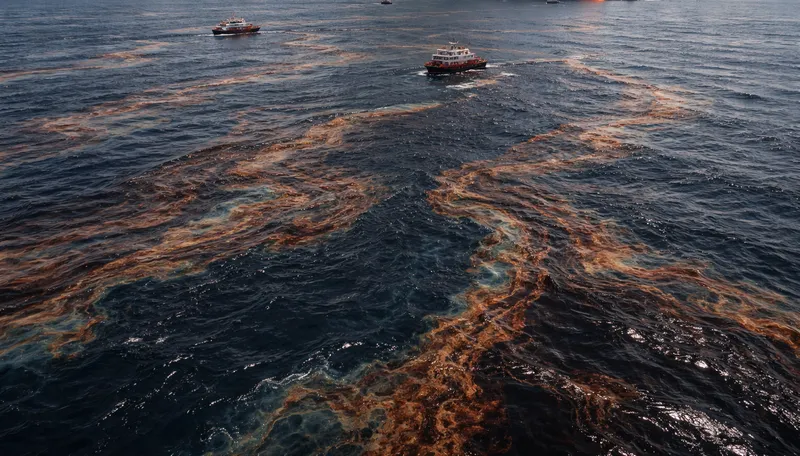
The Gulf of Mexico oil spill, linked to both an unidentified vessel and two natural sources, has affected seven nature reserves, according to Mexican authorities. The spill covers an area of over 600 kilometers and has raised ongoing concerns since the first signs of oil contamination were detected in early March off the coasts of Veracruz and Tabasco.

Environmental Impact and Response

Despite official statements minimizing the environmental damage, organizations like Oceana have documented significant wildlife fatalities. Species affected include sea turtles, a manatee, and a variety of fish. Reports indicate that around 17 reefs have suffered damage due to the spill. Navy Secretary Admiral Raymundo Morales disclosed that satellite imagery and physical assessments have traced the oil to three active sources, which include a vessel positioned near Coatzacoalcos, alongside two geological sites recognized for natural leaks.

Details of the Spill Sources

The identified vessel remains uninspected, as early March records show 13 ships in the vicinity yet to undergo examination. The natural leaks in the Bay of Campeche are particularly noteworthy, with Morales confirming an increase in contaminate flow over the past month. These natural oil seeps generally emit at a consistent rate, but recent conditions have heightened environmental risks.

Explosion Incident Involving Pemex Facility

On March 17, residents in Puerto Ceiba reported an explosion near the Olmeca refinery, operated by Pemex. It was triggered by an overflow of oily water onto nearby roads, leading to the explosion of a passing vehicle and resulting in five fatalities. Concerns have been raised about potential impacts on oysters in the Mecoacan lagoon, along with the fishermen reliant on them.

Call for Action from Environmental Organizations

Environmental groups have criticized state authorities for perceived inaction regarding the spill in Veracruz and Tabasco. Greenpeace Mexico has condemned the situation, describing the Gulf of Mexico as a “sacrifice zone” for the oil sector. The organization has urged the government to improve communication about the situation and take quicker action to mitigate the damage incurred.

Continued Monitoring and Species Affected

According to Mexican environmental officials, the ongoing situation has adversely impacted at least six species, including sea turtles, various fish, and birds. Calls for federal authorities to enhance their monitoring, regulation, and repair efforts related to marine and coastal ecosystems have intensified amid growing public concern about the environmental repercussions of oil activities in the region.

Long or Short, get news the way you like. No ads. No redirections. Download Newspin and Stay Alert, The CSR Journal Mobile app, for fast, crisp, clean updates!

App Store –  https://apps.apple.com/in/app/newspin/id6746449540 

Google Play Store – https://play.google.com/store/apps/details?id=com.inventifweb.newspin&pcampaignid=web_share

Latest News

Popular Videos
