


app-store-logo
play-store-logo
February 13, 2026

Shift in Career Perspectives Post-COVID: From Degrees to Digital Skills
The CSR Journal Magazine

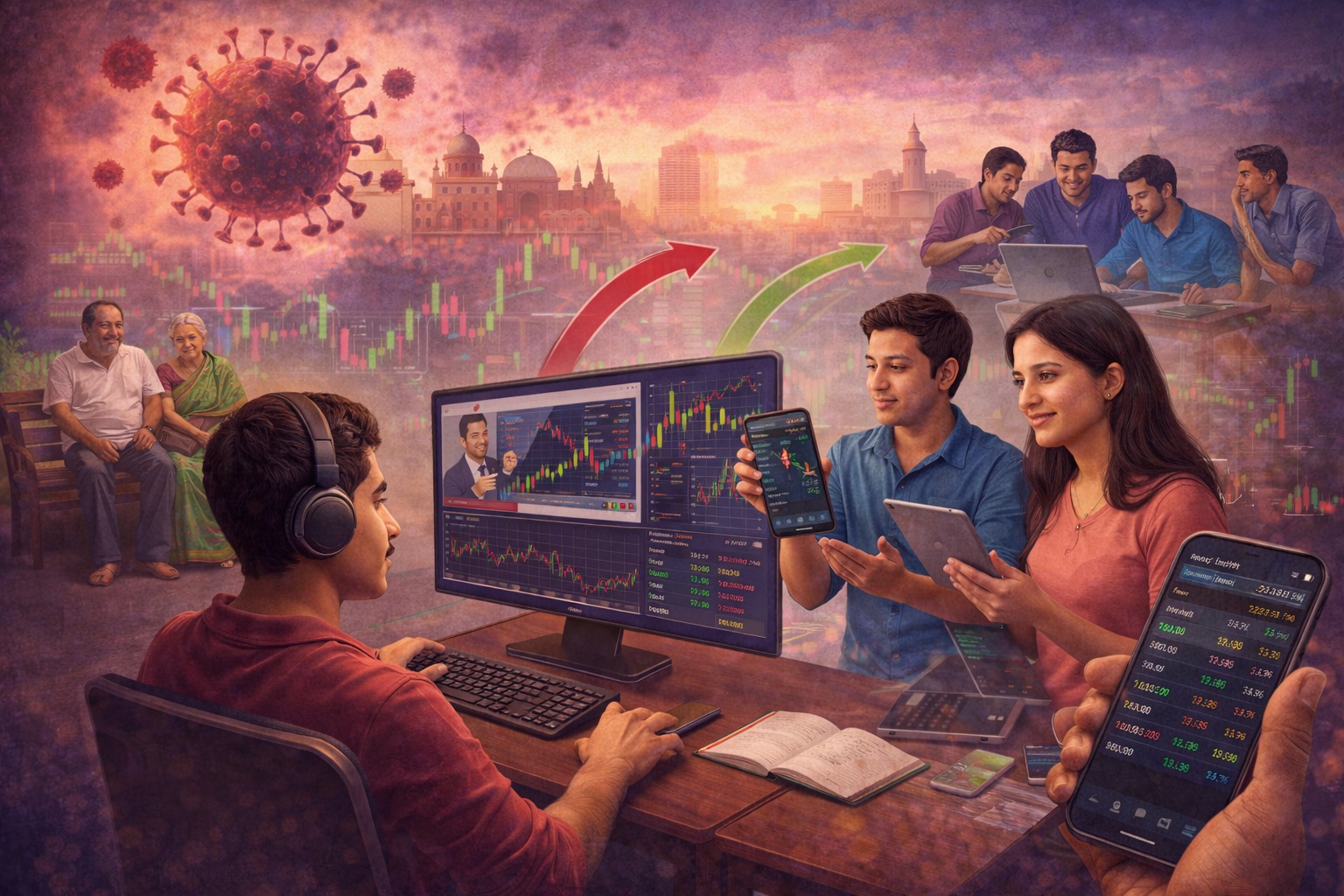
The COVID-19 pandemic prompted a significant shift in how individuals perceive career opportunities. As work-from-home policies took effect, salaries dwindled, and established professions experienced unexpected instability, many started exploring alternative avenues for income, education, and financial security. A surprising outcome of this transition was the rise of trading as a viable career choice, a field that was previously dominated by financial institutions and experienced professionals. During lockdowns, financial markets became increasingly accessible to the general public through mobile trading applications and extensive online educational resources. This accessibility demystified an area that had long appeared daunting to newcomers. For many entering the trading space for the first time, the motivations stemmed not from a desire for quick wealth but rather from seeking autonomy, skill development, and the flexibility of remote work.

Emergence of a Global Trading Skillset

Across India, especially in smaller towns, young individuals began engaging with financial markets armed with only a smartphone and internet access. Lacking familial connections in finance or access to elite networks, they relied on self-directed learning methods, keen observation, and a willingness to learn from their mistakes. For numerous individuals, this journey involved a challenging path marked by early financial losses, emotional hurdles, and the necessity of constant adjustment. Those who persisted found that trading rewarded perseverance and discipline over mere bravado. Gradually, some were able to cultivate consistent methodologies, transforming their initial curiosity into a valuable and transferrable skill set. In a world where geographical location is becoming less relevant, these skills opened international opportunities for many traders, allowing them to balance global market timings with adaptable lifestyles—an aspect that seemed unrealistic only a decade ago.

The Rigors of Learning to Trade

In contrast to traditional careers that offer structured learning pathways and clear objectives, trading necessitates real-time learning. The rapid feedback provided by financial markets can be unforgiving, making transparency paramount during the educational process. A growing community of self-educated traders has adopted an open-learning approach, engaging in live market activities rather than promoting only polished success stories. By documenting both successful trades and losses, they help newcomers understand the psychological challenges inherent in trading, including managing financial downturns and controlling impulsive behavior. This shift in focus has helped reset realistic expectations regarding trading’s nature, emphasizing the importance of executing a well-defined process under pressure rather than relying on market predictions.

Rise of Community-Centric Learning

Since the onset of the pandemic, there has been a notable transition from individual trading to community learning environments. Online groups, forums, and peer-led initiatives have emerged, superseding the need for costly courses and unclear guidance. These communities operate not as formal classrooms but rather as support networks where traders exchange insights, discuss strategies, and learn collectively. For novices, this dynamic reduces feelings of isolation while fostering accountability in a profession where missteps can have significant consequences. Central to these groups are individuals who regard themselves not as experts but as fellow participants actively involved in the same trading arenas as their peers.

A New Perspective on Financial Careers

Trading is evolving beyond its traditional image as mere speculation. For an increasing number of individuals, it has transformed into a skill-centric profession requiring ongoing education, emotional control, and meticulous risk assessment. The landscape of finance post-pandemic has blurred the roles of learner, practitioner, and educator. Many who ventured into trading out of necessity now contribute to a broader discourse on financial literacy, responsible engagement, and pragmatic career development. Their experiences represent a larger trend where access to resources, rather than background, defines professional opportunities within the trading realm. This narrative reflects a significant evolution in the financial sector, intertwined with technological advancements and a generation that is reshaping its career trajectories.

Long or Short, get news the way you like. No ads. No redirections. Download Newspin and Stay Alert, The CSR Journal Mobile app, for fast, crisp, clean updates!

Latest News

Popular Videos
