


app-store-logo
play-store-logo
March 9, 2026

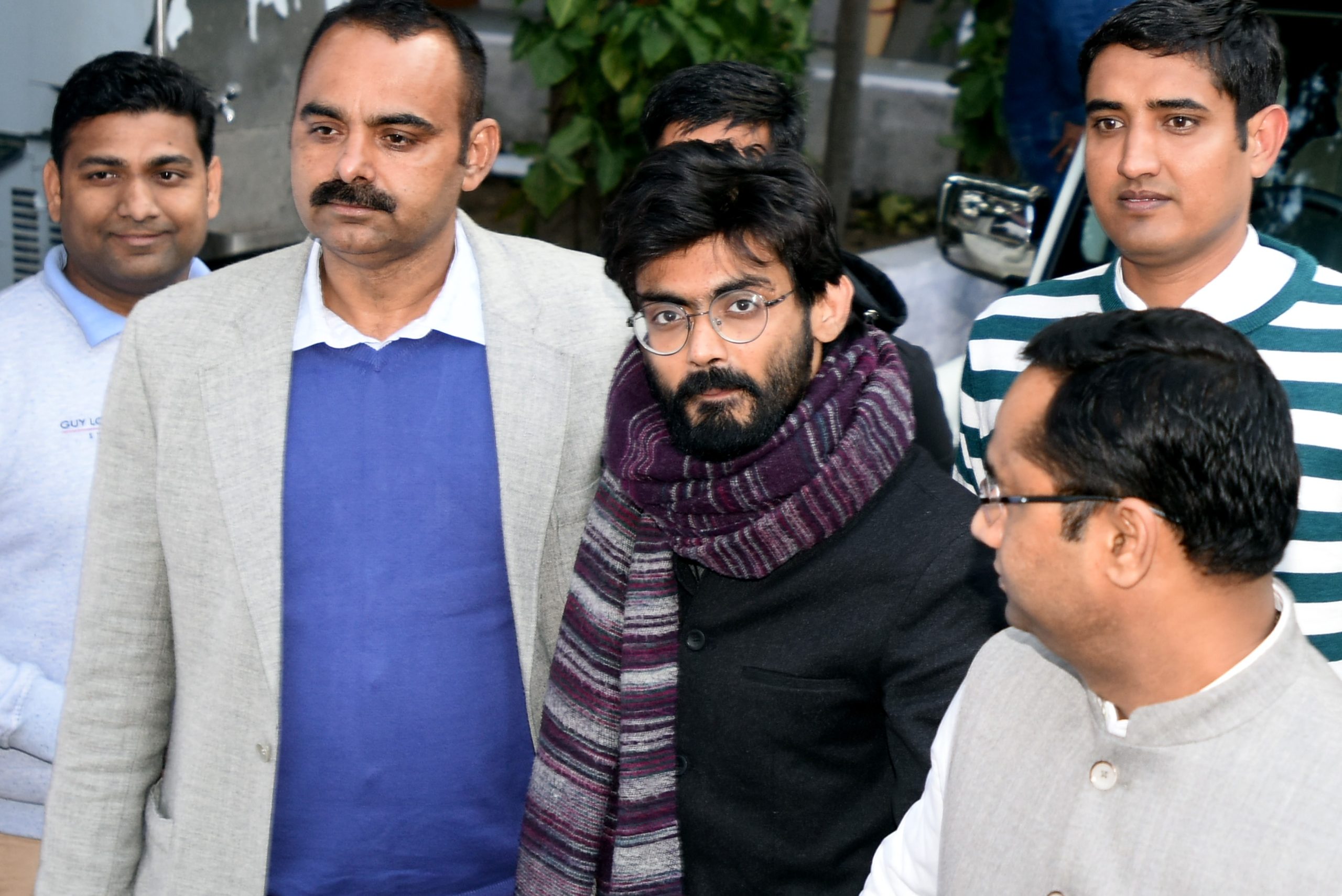
Sharjeel Imam Granted 10-Day Interim Bail by Delhi Court in 2020 Riots Case
The CSR Journal Magazine

A Delhi court has decided to grant Sharjeel Imam a 10-day interim bail related to the 2020 Delhi riots case. This decision provides a brief respite for Imam, who has been incarcerated for several years. The interim bail comes after the Supreme Court of India rejected his request for regular bail in January 2023. At that time, both Imam and fellow activist Umar Khalid were denied bail in connection with the conspiracy surrounding the riots. The Supreme Court, in its ruling issued on January 6, had stated that prolonged incarceration and delays in the trial could not serve as justifications for bail in cases associated with the stringent Unlawful Activities (Prevention) Act.

Context of Supreme Court’s Previous Ruling

In the earlier ruling, the Supreme Court emphasized that while personal liberty is a vital consideration, it cannot be the only factor in cases that involve serious allegations impacting public order and national security. The bench, which included Justices Aravind Kumar and N V Anjaria, pointed out that the circumstances surrounding Imam and Khalid differ significantly from those of other accused individuals in the case. This distinction led to the rejection of their bail applications while allowing five co-accused to be released on bail. The individuals granted bail include Gulfisha Fatima, Meeran Haider, Shifa-ur-Rehman, Mohd Saleem Khan, and Shadab Ahmad.

Details of the 2020 Riots

The riots in question took place in February 2020 amid protests against the Citizenship (Amendment) Act, 2019. These protests escalated into communal violence in northeastern Delhi during the visit of then U.S. President Donald Trump. Consequently, the unrest had significant implications for public safety and order in the region, leading to numerous arrests, including that of Imam and Khalid, who have both been in custody for over five years related to the riots. The Supreme Court has indicated that both activists may be eligible to reapply for bail after one year or once all protected witnesses in the trial have been examined, whichever occurs first.

Legal Implications and Future Considerations

The Supreme Court also reiterated that the mere elapsing of time does not automatically grant bail in cases classified under special statutes like the Unlawful Activities (Prevention) Act. The justices underscored the necessity for courts to maintain a balance between individual constitutional protections, as outlined in Article 21, and the legislative intent behind the imposition of more stringent bail conditions in matters linked to national security. This legal framework sets a precedent for how similar cases may be adjudicated in the future, ensuring that the seriousness of the allegations remains a central concern in bail considerations.

Long or Short, get news the way you like. No ads. No redirections. Download Newspin and Stay Alert, The CSR Journal Mobile app, for fast, crisp, clean updates!

App Store –  https://apps.apple.com/in/app/newspin/id6746449540 

Google Play Store – https://play.google.com/store/apps/details?id=com.inventifweb.newspin&pcampaignid=web_share

Latest News

Popular Videos
