


Severe Flooding in Afghanistan Kills 17, Injures 26 as More Rain Threat Looms
The CSR Journal Magazine

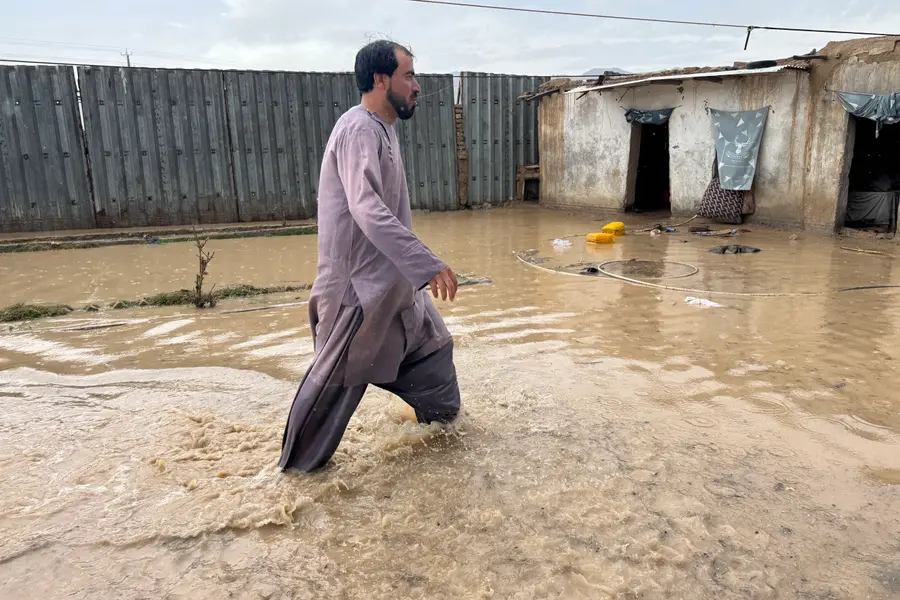
Extreme weather events in Afghanistan have resulted in the deaths of 17 individuals and left 26 others injured over the past 24 hours. Authorities reported these casualties on Sunday, amid ongoing heavy rainfall in the region. With more adverse weather predicted, concerns are growing regarding the potential for further casualties.

Yousuf Hammad, a spokesperson for the National Disaster Management Authority, indicated that the number of fatalities could rise as assessment teams continue to survey the affected areas. Thirteen out of Afghanistan’s 34 provinces, particularly in the western, central, and northwestern regions, have been impacted by the severe conditions.

In addition to loss of life, the extreme weather has caused significant destruction. A total of 147 homes were either completely or partially damaged, while approximately 80 kilometers of roads have been rendered impassable. Agricultural land, irrigation systems, and various businesses have also suffered severe damage, affecting around 530 families in the aftermath of the flooding.

Forecasters have predicted additional rainfall in eastern and central Afghanistan on Monday, raising alarms about potential flooding in those regions as well. Hammad urged residents to steer clear of riverbanks and other flood-prone areas, and instructed local officials to remain prepared for emergency assistance.

This year’s severe weather is part of a troubling pattern; earlier incidents of heavy snowfall and flash floods claimed numerous lives across the nation. Afghanistan’s susceptibility to harsh weather conditions is well-documented. Heavy snowfall and rainfall can trigger flash floods, posing significant threats to communities and often resulting in mass casualties.

In the spring of 2024 alone, over 300 fatalities were recorded due to flash floods in Afghanistan. The country’s vulnerability is heightened by a combination of long-term conflict, insufficient infrastructure, economic challenges, deforestation, and the escalating impacts of climate change. These factors exacerbated the consequences of natural disasters, particularly in remote areas where many residences are constructed using mud, providing limited protection against sudden flooding or heavy snow.

Long or Short, get news the way you like. No ads. No redirections. Download Newspin and Stay Alert, The CSR Journal Mobile app, for fast, crisp, clean updates!

App Store –  https://apps.apple.com/in/app/newspin/id6746449540 

Google Play Store – https://play.google.com/store/apps/details?id=com.inventifweb.newspin&pcampaignid=web_share

Latest News

Popular Videos
