


app-store-logo
play-store-logo
February 24, 2026

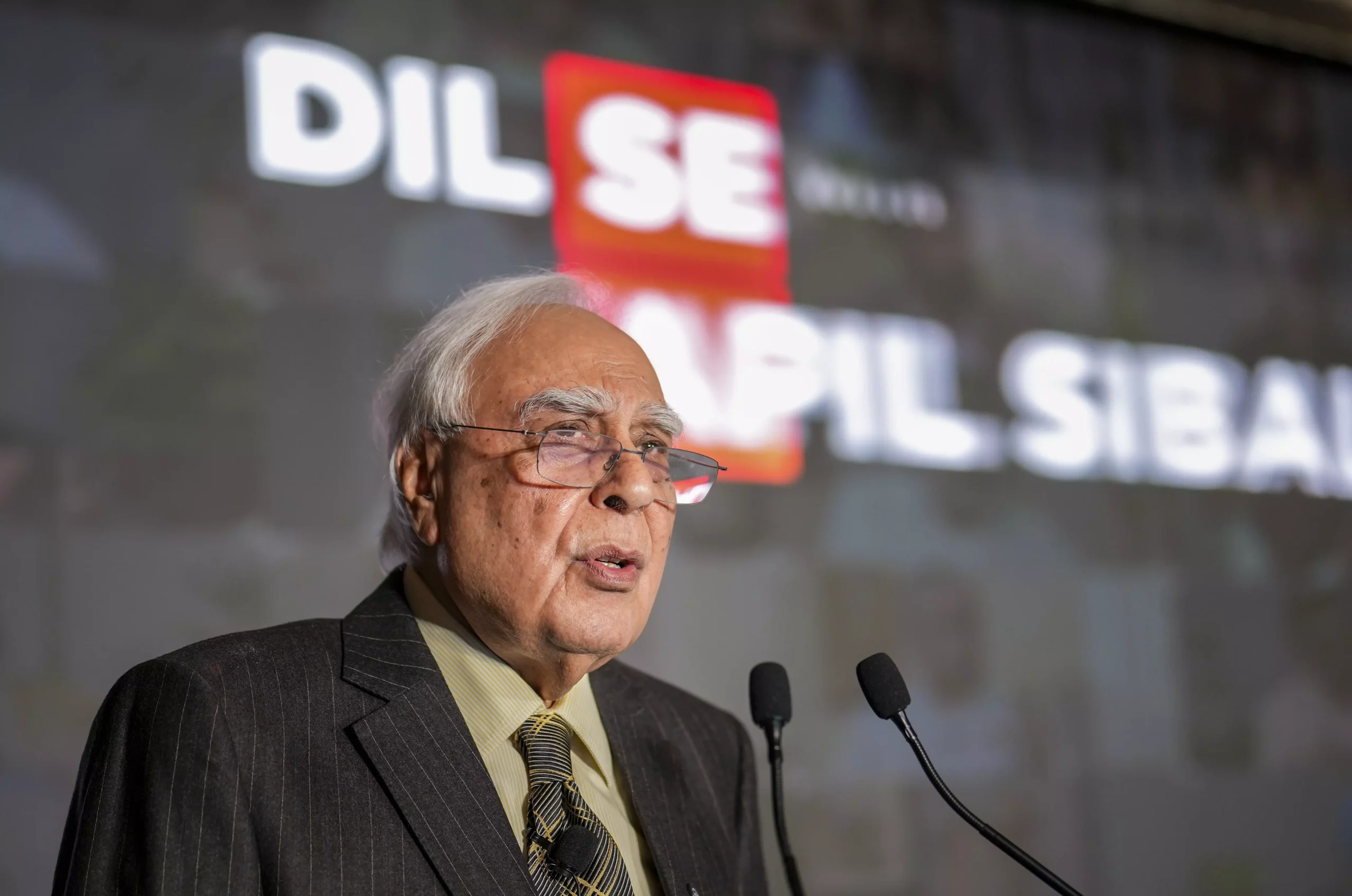
Senior Advocate Kapil Sibal Criticizes NCERT for Including Judicial Corruption in Class 8 Curriculum

The CSR Journal Magazine

Senior Advocate Kapil Sibal publicly criticized the National Council of Educational Research and Training (NCERT) on Tuesday for a newly incorporated section in its Class 8 Social Science textbook that addresses judicial corruption.

He questioned why similar issues are not being highlighted in other sectors, particularly regarding political corruption involving ministers and public officials. In a post on X, Sibal expressed his concerns regarding the selective presentation of corruption issues, suggesting that the NCERT is ignoring broader problems by focusing solely on the judiciary.

Revised Textbook Introduces Judicial Corruption Section

The NCERT’s updated Class 8 textbook features a chapter titled “The Role of the Judiciary in Our Society,” which introduces a discussion on challenges faced by the judicial system, including corruption and case backlogs.

This is a significant change from previous editions, which primarily centered on the judiciary’s structure and functions without delving into these critical issues. The revised chapter categorically lists the estimated number of pending cases: approximately 81,000 in the Supreme Court, 6,240,000 in the High Courts, and around 47,000,000 in district and subordinate courts.

Internal Accountability and the Role of Judges

In the section addressing corruption, the textbook elaborates on the code of conduct that judges are required to adhere to, which includes behavior guidelines in and out of court. It also discusses the internal accountability mechanisms within the judiciary, made available through established procedures for lodging complaints, such as the Centralised Public Grievance Redress and Monitoring System (CPGRAMS).

The content emphasizes ongoing efforts at both state and national levels to enhance transparency and public trust in the judicial system. These efforts include utilizing technology and ensuring swift action against instances of corrupt practices.

Quotes Highlighting Public Trust Issues

The textbook references comments made by former Chief Justice of India, B.R. Gavai, in July 2025, who remarked on the detrimental effects of judicial corruption and misconduct on public confidence.

He emphasized that restoring trust would require prompt, transparent actions to address these challenges, asserting that transparency and accountability are essential components of a democratic society. Gavai’s insights are indicative of the ongoing conversation around the integrity and public perception of the judiciary, which the updated curriculum seeks to broach.

Long or Short, get news the way you like. No ads. No redirections. Download Newspin and Stay Alert, The CSR Journal Mobile app, for fast, crisp, clean updates!

App Store –  https://apps.apple.com/in/app/newspin/id6746449540 

Google Play Store – https://play.google.com/store/apps/details?id=com.inventifweb.newspin&pcampaignid=web_share

Latest News

Popular Videos