


app-store-logo
play-store-logo
March 13, 2026

Seikan Tunnel: How Japan Created the World’s Longest Undersea Rail Passage
The CSR Journal Magazine

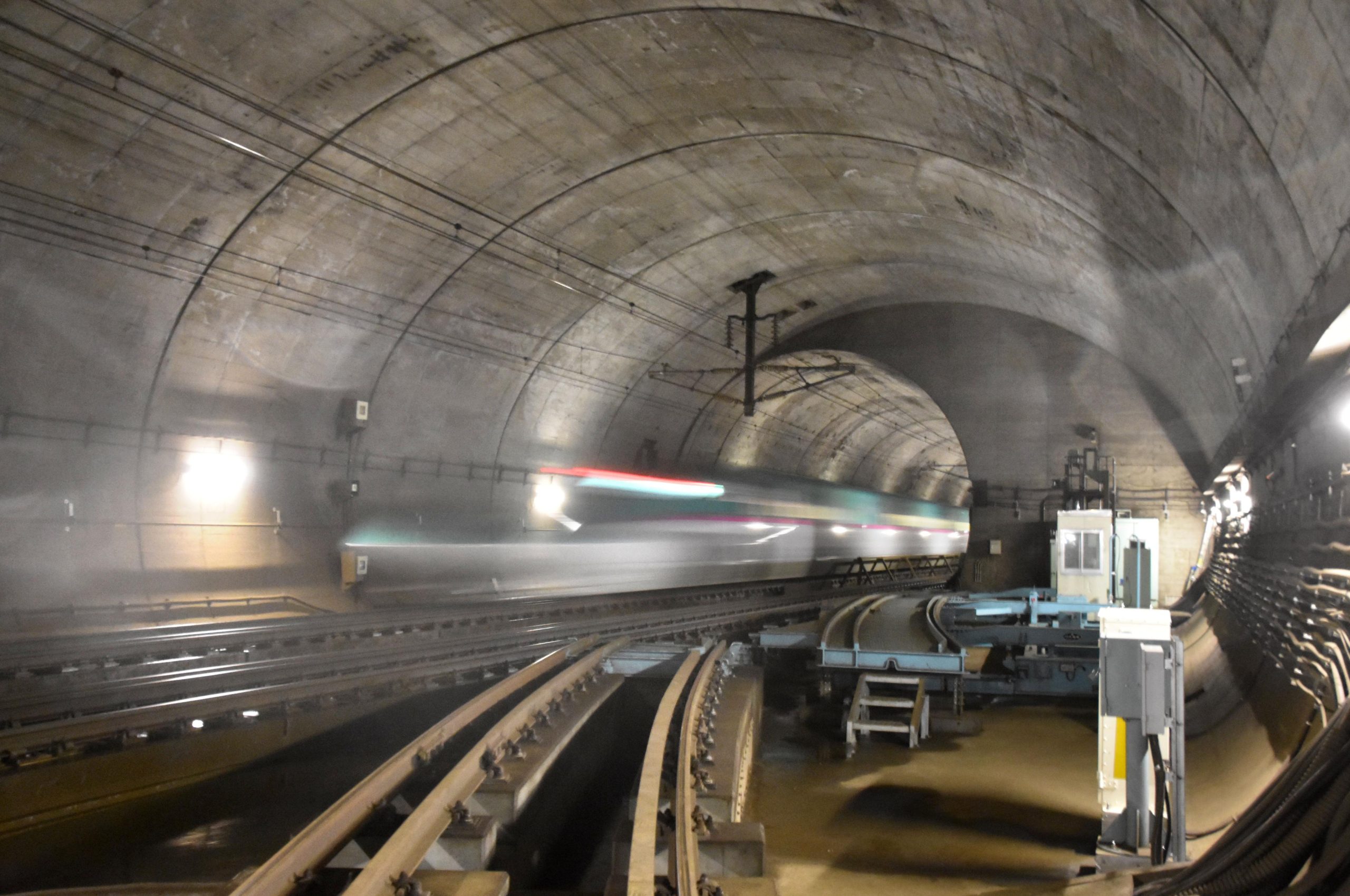
Japan is renowned for its innovative infrastructure, and one of its most significant achievements is the Seikan Tunnel. This impressive railway structure runs under the Tsugaru Strait, creating a vital link between the islands of Honshu and Hokkaido. It officially opened on March 13, 1988, and is celebrated as a landmark project of the 20th century. Measuring 53.85 kilometers in length, it holds the distinction of being the longest railway tunnel that features an undersea section globally and is one of the deepest rail routes constructed beneath the ocean.

Naming and Structure of the Tunnel

The Seikan Tunnel derives its name from the combination of characters representing Aomori (Sei) from Honshu and Hakodate (Kan) from Hokkaido. The tunnel’s total length is 53.85 kilometers, of which approximately 23.3 kilometers are located directly beneath the sea floor. At its most profound depth, the railway tracks are situated about 240 meters below sea level, with around 100 meters beneath the seabed, showcasing the considerable engineering challenges encountered during its construction.

Construction Process and Challenges

The construction of the Seikan Tunnel involved extensive planning and cutting-edge engineering techniques. Geological surveys commenced as early as the 1940s, but major construction activities began in the 1960s, culminating in the tunnel’s opening in 1988. Initially, a pilot tunnel was created to assess the geology of the seabed, followed by a service tunnel, with the main railway tunnel excavated last. This phased approach of three tunnels was instrumental in managing water inflow and enhancing safety throughout the construction process. Engineers faced significant challenges, including the constant threat of water leaks and unstable geological conditions. At one stage, water surged into the tunnel at a rate of 80 tonnes per minute, necessitating several months of stabilization efforts.

Cost and Human Toll of the Tunnel

The financial implications of constructing the Seikan Tunnel were substantial, with overall costs escalating to approximately 1.1 trillion yen, or around 7 billion US dollars, significantly exceeding initial projections. The construction was marked by human casualties, as historical records indicate that 34 workers lost their lives due to cave-ins, flooding, and various accidents over the years. Despite these adversities, the Seikan Tunnel stands as a testament to engineering prowess and continues to operate, facilitating both freight and high-speed Shinkansen trains. It ensures a reliable rail connection between Japan’s principal islands.

Future Competitors in Undersea Engineering

While Japan’s Seikan Tunnel has set high standards globally, another ambitious underwater project, the Rogfast tunnel in Norway, is currently underway. This tunnel is designed as part of the E39 highway initiative and will traverse beneath the Boknafjord. Once completed, the Rogfast tunnel is anticipated to become the longest and deepest subsea road tunnel in the world, extending approximately 27 kilometers and reaching depths of nearly 400 meters below sea level. The project is on track for completion around 2033, potentially reshaping the landscape of modern tunnel engineering.

Long or Short, get news the way you like. No ads. No redirections. Download Newspin and Stay Alert, The CSR Journal Mobile app, for fast, crisp, clean updates!

App Store –  https://apps.apple.com/in/app/newspin/id6746449540 

Google Play Store – https://play.google.com/store/apps/details?id=com.inventifweb.newspin&pcampaignid=web_share

Latest News

Popular Videos
