


app-store-logo
play-store-logo
January 19, 2026

Say Goodbye to Traffic Jams! Now Travel Delhi–Dehradun in Just 2.5 Hours via Greenfield Expressway

The CSR Journal Magazine

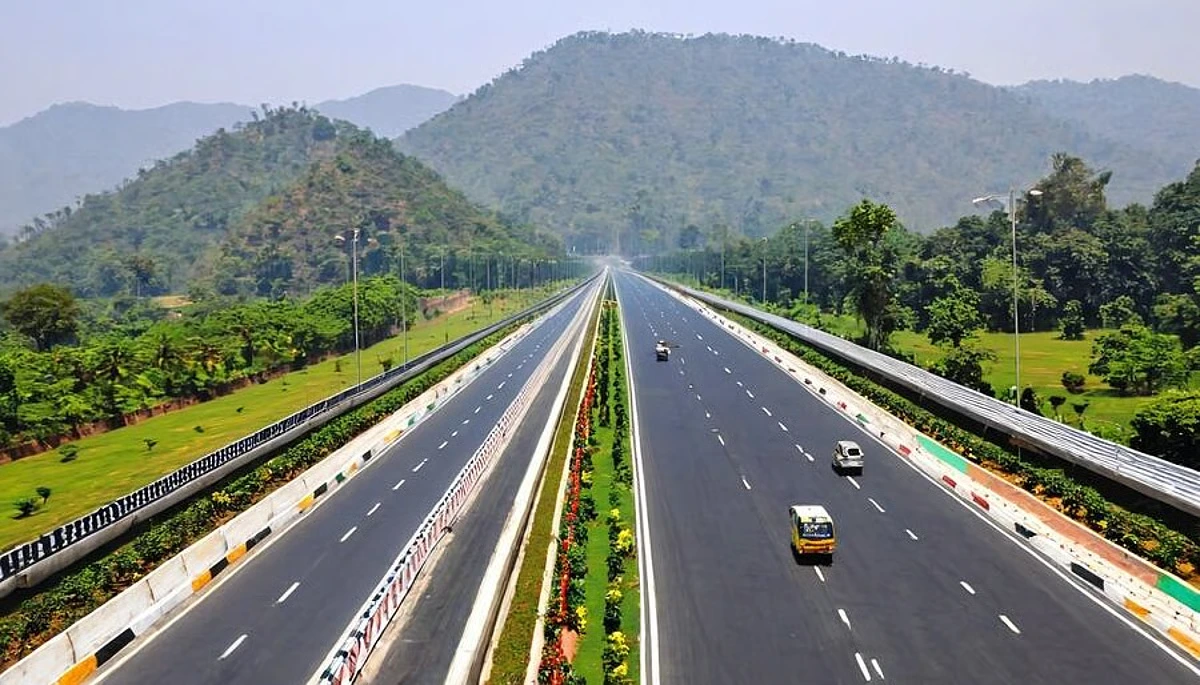
The much-anticipated Delhi–Dehradun Greenfield Expressway is in its final stages of completion, with only minor finishing work remaining. Developed by the National Highways Authority of India (NHAI), the 210-kilometre-long, six-lane corridor is expected to open to traffic soon, with official notification awaited.

Once fully operational, the expressway will drastically cut travel time between Delhi and Dehradun from the current 6–7 hours to just about 2.5 hours.

Route and Regional Connectivity

Also known as the Delhi–Saharanpur–Dehradun Economic Corridor, the expressway begins near the Akshardham Temple in Delhi and passes through key districts of western Uttar Pradesh, including Baghpat, Shamli, Muzaffarnagar and Saharanpur, before entering Uttarakhand and ending at Dehradun.

The project reduces the total distance between the two cities from 235 km to 210 km and is expected to ease congestion on the Delhi–Meerut Expressway and other major highways.

Phased Development and Design

The expressway has been divided into four major sections. The Delhi stretch, including areas such as Geeta Colony and Mandola, has been developed largely as an elevated six-lane corridor. Several stretches, including the Akshardham–Khekra section and elevated portions near Dehradun, were opened for trial runs in December, which officials say were successful.

Safety, Amenities and Toll System

Designed for speeds of up to 100 kmph, the corridor features modern safety systems, fog-management mechanisms and dedicated highway patrol services. Wayside amenities such as fuel stations, food courts, rest areas and EV charging points will be available every 25–30 km. A closed tolling system will ensure users pay only for the distance travelled.

Eco-Sensitive Engineering

As the expressway enters Uttarakhand, it passes through eco-sensitive zones near the Shivalik ranges and Rajaji National Park. Elevated road sections, wildlife corridors, elephant passages, sound barriers and special lighting have been installed to minimise environmental impact. Miyawaki plantations along exit loops further enhance safety and sustainability.

Final Leg and Economic Impact

The route also features a 300-metre-long artistic tunnel showcasing Uttarakhand’s cultural heritage. With completion expected by February 2026 and partial sections already operational, the expressway is set to boost tourism, trade and regional development across Delhi, Uttar Pradesh and Uttarakhand.

Long or Short, get news the way you like. No ads. No redirections. Download Newspin and Stay Alert, The CSR Journal Mobile app, for fast, crisp, clean updates!

App Store – https://apps.apple.com/in/app/newspin/id6746449540

Google Play Store – https://play.google.com/store/apps/details?id=com.inventifweb.newspin&pcampaignid=web_share

Latest News

Popular Videos