


app-store-logo
play-store-logo
January 31, 2026

Save the Stripes: The Quiet Fight to Keep Zebras Wild
The CSR Journal Magazine

On January 31, the world marks International Zebra Day—but for zebras, survival is not a once-a-year concern. It’s a daily struggle played out on open grasslands, under burning suns, and across shrinking habitats. We often admire zebras from a distance, calling them beautiful, exotic, even photogenic. Rarely do we stop to ask: what would these landscapes lose if the stripes disappeared?

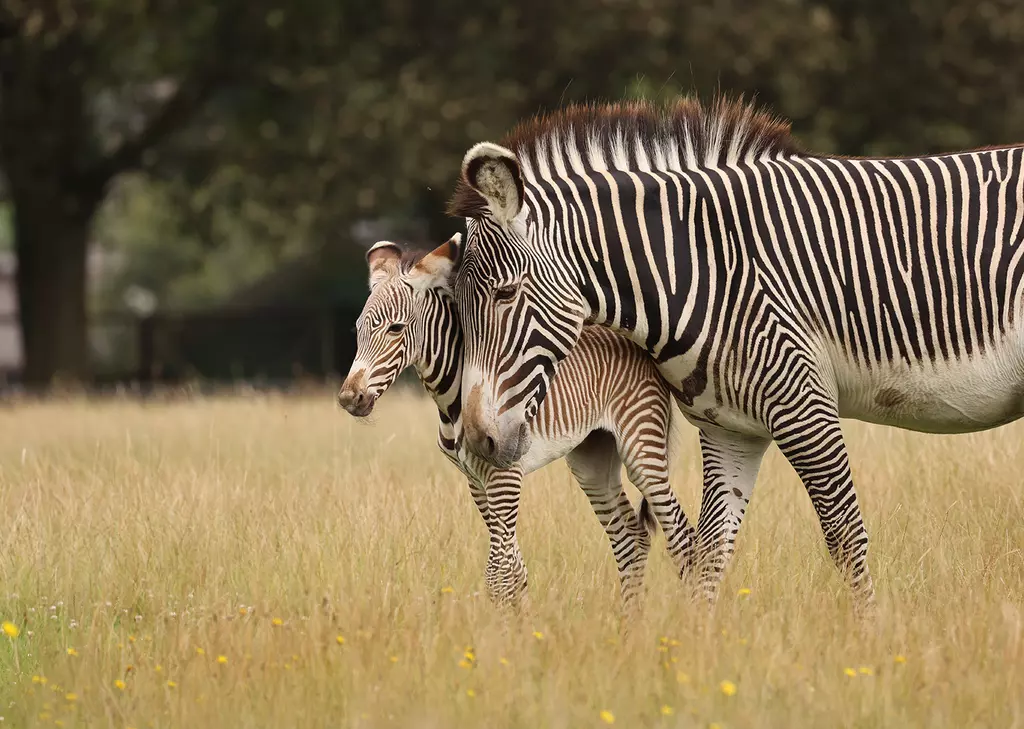
At first glance, a zebra looks like nature’s simplest design—black, white, and unforgettable. But look closer and you’ll find something deeply personal. Every zebra carries a unique stripe pattern, as individual as a fingerprint. Mothers recognize their foals by these stripes. Researchers track them the same way.

Those stripes are more than decoration. They may help confuse predators when a herd runs together, disrupt the landing of biting insects, and even regulate body heat. What we see as beauty is actually survival, carefully shaped by evolution.

A zebra’s life is shaped by movement. They walk long distances every day, grazing as they go. Unlike picky eaters, zebras feed on tough, coarse grass that other animals ignore. In doing so, they quietly prepare the land for others—making way for softer grass that antelopes, gazelles, and livestock depend on.

They don’t know it, but zebras are caretakers. Their constant grazing keeps grasslands open, healthy, and alive. Remove them, and the land slowly changes—often not for the better.

When Home Starts Disappearing

For centuries, zebras roamed freely across vast African landscapes. Today, those open spaces are breaking apart. Roads cut through migration paths. Farms replace grazing land. Fences turn journeys into dead ends.

As habitats shrink, zebras are pushed closer to human settlements, where conflict becomes inevitable. Sometimes they are chased away. Sometimes they are hunted—for meat, for skins, or simply because they are seen as a nuisance.

Climate change adds another layer of uncertainty. Erratic rainfall dries up water sources and weakens grasslands, forcing zebras to travel farther for less.

The Cost of Losing a Zebra

When a zebra population declines, the impact doesn’t stop with one species. Grasslands grow uneven. Other animals struggle. Predators lose prey. The balance begins to tilt.

Some zebra species are now classified as vulnerable or endangered—a quiet warning that even the most iconic animals are not immune to extinction.

Hope Woven Into Conservation

Despite the challenges, there is hope. Across Africa, conservation groups, scientists, and local communities are working together to protect zebras where they belong: in the wild. Protected reserves, anti-poaching patrols, and wildlife corridors help zebras move safely across landscapes.

Community-led conservation has made a powerful difference. When people benefit from eco-tourism and sustainable land use, zebras are no longer seen as rivals, but as shared responsibility—and pride.

International Zebra Day isn’t just about awareness—it’s about empathy. It asks us to see zebras not as symbols or safari attractions, but as living beings with families, routines, and fragile futures.

Caring can begin anywhere: learning their stories, supporting conservation efforts, sharing awareness, or choosing ethical tourism. Small actions, when multiplied, matter.

Zebras don’t know they are icons. They simply graze, run, protect their young, and follow ancient paths across the land. Whether those paths remain open depends on usani

This International Zebra Day, let’s do more than admire the stripes. Let’s help ensure they keep moving—free, wild, and unmistakably alive.

Long or Short, get news the way you like. No ads. No redirections. Download Newspin and Stay Alert, The CSR Journal Mobile app, for fast, crisp, clean updates!

Latest News

Popular Videos
