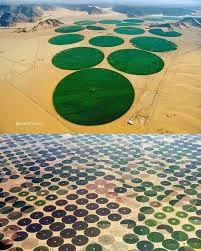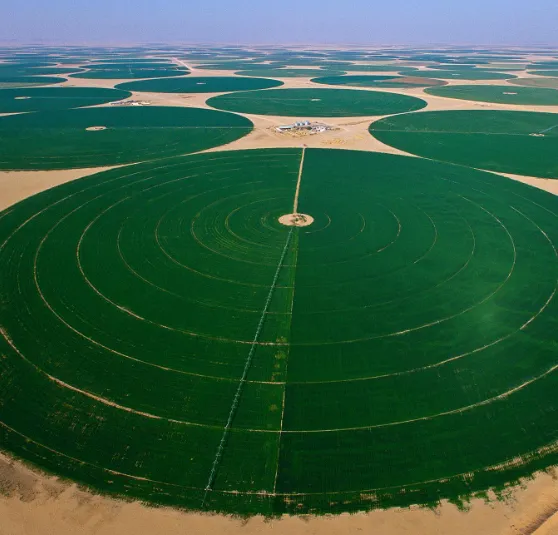

Saudi Arabia is implementing an innovative project aimed at creating a green corridor in the desert by utilising treated wastewater. The initiative is designed to transform arid land into oasis-like environments that can help sustain plant life, enhance biodiversity, and combat desertification. The project signifies a strategic move towards sustainable resource management amidst increasing environmental challenges in the region.
As part of this initiative, advanced treatment facilities are being set up to convert wastewater into a resource for irrigation and landscaping. This not only conserves fresh water but also addresses the pressing issue of water scarcity that the nation faces. The project complements Saudi Arabia’s broader vision for environmental sustainability and economic diversification.
The desertification phenomenon has posed significant risks to ecosystems in Saudi Arabia, and the new green corridors are expected to play a crucial role in mitigating these risks. The integration of vegetation in these areas aims to provide natural habitats for various species, thereby enhancing ecological balance.
Environmental and Economic Benefits
The transition to using treated wastewater for agricultural purposes underscores Saudi Arabia’s commitment to environmental stewardship. With over 90 per cent of the country’s water sourced from desalination, the recycling of wastewater presents a more sustainable alternative to address the region’s long-standing water issues. These green corridors could potentially improve air quality and reduce urban heat, providing a more pleasant climate in the surrounding areas.
Moreover, the project is expected to stimulate local economies, creating new job opportunities in agriculture and environmental management sectors. The cultivation of greenery could promote ecotourism, attracting both domestic and international tourists to witness the transformation of the desert landscape. This shift aligns with the nation’s Vision 2030 plan to reduce dependence on oil revenues by diversifying the economy.
Particularly, the initiatives inside the green corridors could lead to the development of commercial farms growing various crops, adapting to the harsh desert climate through innovative irrigation methods. This could significantly enhance food security, reducing the need for imports and strengthening local agriculture.