


app-store-logo
play-store-logo
February 10, 2026

Saudi Arabia Allows Alcohol Sales for Wealthy Expatriates: Check Eligibility and Residency Details

The CSR Journal Magazine

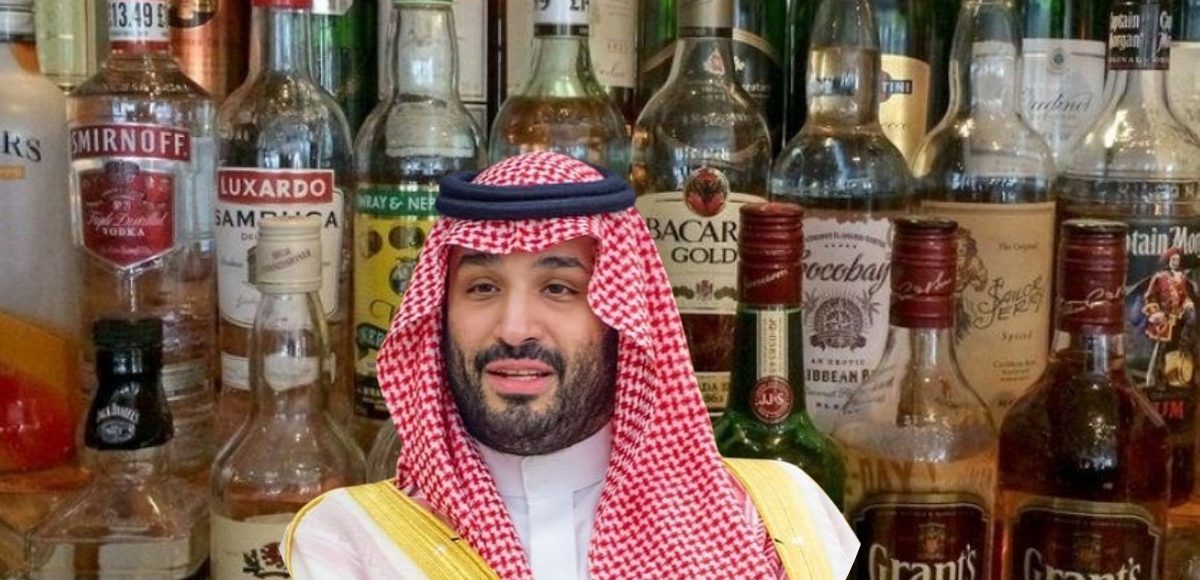
Saudi Arabia has quietly expanded its strict alcohol policy, allowing affluent foreign residents to legally purchase alcoholic beverages, a significant shift from the kingdom’s decades-long ban rooted in Islamic law and conservative societal norms. The move reflects a cautious experiment in social liberalisation, aligning with broader reforms under Crown Prince Mohammed bin Salman.

First Legal Alcohol Sales in Over 70 Years

In a development that marks the first legal alcohol sales in more than seven decades, a discreet liquor outlet located in the Diplomatic Quarter of Riyadh has begun selling alcohol to select expatriates in addition to diplomats.

Initially, when the outlet opened in January 2024, it served non-Muslim foreign diplomats under tight controls. Recent reports indicate that eligibility has now been extended to include wealthy non-Muslim expatriates, particularly those holding Premium Residency permits or meeting high income thresholds.

Eligibility Criteria and Residency Rules

According to people familiar with the policy change, the expanded access is available only to non-Muslim foreign residents who meet certain financial and residency criteria. Those holding Saudi Arabia’s Premium Residency, a special visa aimed at attracting global talent and investment, are now permitted to buy alcohol from the Riyadh store. Premium Residency is typically granted to high-income professionals, investors, and entrepreneurs and requires a substantial financial commitment.

Some reports also suggest that non-Muslim expatriates with a monthly income of at least 50,000 riyals ($13,300) can access the store, though Saudi authorities have not publicly confirmed formal eligibility requirements.

Strict Access Controls and Limited Availability

The alcohol outlet, which remains unmarked and not listed on public maps, operates under tight security protocols. Prospective customers are subject to identity checks and restrictions on mobile phone and camera use within the premises, underscoring the sensitivity of the policy shift in a country where alcohol consumption is traditionally forbidden.

Observers say prices inside the outlet are high, reflecting both the exclusivity of the policy and careful control over the social impact of the change.

Part of Vision 2030 Reforms

While the Saudi government has not formally announced the change, analysts view it as part of the broader Vision 2030 initiative. Spearheaded by Crown Prince Mohammed bin Salman, Vision 2030 aims to diversify the economy away from oil dependency and boost tourism, expatriate talent, and foreign investment. This policy shift follows other modernising reforms, such as allowing women to drive, expanding entertainment options, and hosting global events, and appears designed to make the kingdom more attractive to international visitors and residents.

Social Reaction and Future Outlook

The limited opening to affluent expats has drawn mixed reactions globally. Some see it as a pragmatic step toward aligning with international norms and supporting economic growth, while others criticise it as elitist due to its narrow eligibility requirements. Reports also suggest plans to introduce additional alcohol stores in cities like Dhahran and Jeddah by 2026, though official confirmation remains pending.

Despite this incremental shift, Saudi Arabia maintains that the broader ban on alcohol for citizens and the general public remains in force. Officials emphasise that any further liberalisation will be gradual and carefully calibrated to retain cultural values while meeting economic goals.

Long or Short, get news the way you like. No ads. No redirections. Download Newspin and Stay Alert, The CSR Journal Mobile app, for fast, crisp, clean updates!

Latest News

Popular Videos