


app-store-logo
play-store-logo
March 5, 2026

Rural Women Emerge as Financial Decision-Makers in Their Households
The CSR Journal Magazine

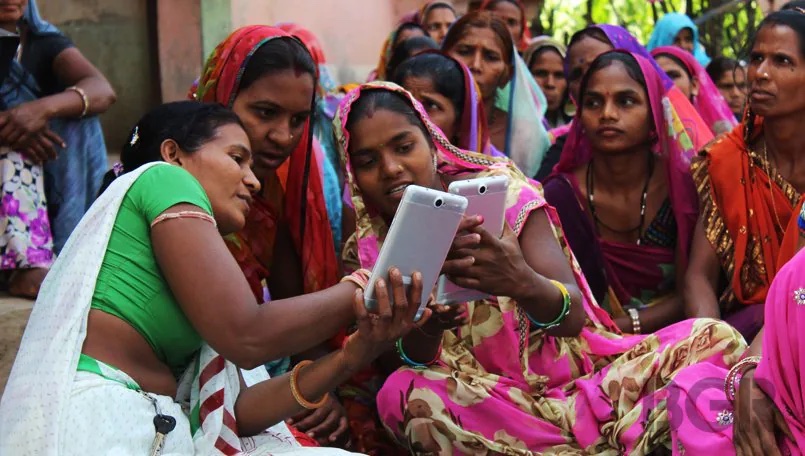
Traditionally, financial decisions in many rural homes were viewed as the domain of men. However, this perspective is changing gradually. Women in rural and semi-urban areas of India are increasingly taking active roles in managing finances, which includes regular saving, utilizing digital payment methods, and exploring various investment options. According to the PayNearby Women Financial Index 2026, women are not merely overseeing household expenditures but are also significantly influencing their families’ financial planning, savings, and spending behaviors.

Rise of Digital Payment Adoption

The growing trend of digital payments has made a notable impact on the lives of rural women. Approximately 38% of women in these areas engage in UPI transactions at least once a week, primarily for daily necessities such as groceries, utility bills, and mobile recharges. This shift towards digital financial tools signifies a gradual transition from cash-centric methods, although many women continue to withdraw cash in smaller quantities to manage their day-to-day spending.

Women as Key Household Savers

The report highlights an impressive trend regarding savings, with around 85% of women indicating that they serve as the primary savers for their families. Despite modest incomes, many women consistently set aside small amounts to create an emergency fund. Their saving objectives center around essential family needs, particularly children’s education, health emergencies, and crucial household expenditures. However, only about 32% of these women utilize formal banking channels for savings, suggesting that there is significant potential for enhanced financial inclusion.

Growing Confidence in Financial Management

Another critical finding from the report is the increasing self-sufficiency among women in managing their finances. About 71% of women now manage their bank accounts independently. This trend is particularly pronounced among younger women aged 18 to 40, who demonstrate a greater comfort level in utilizing banking services without relying on family assistance. Trust remains an important factor, as nearly 78% of women prefer conducting financial transactions through female agents within their communities, as it fosters a sense of comfort and understanding.

Interest in Savings and Investment Opportunities

While traditional savings methods remain popular, a significant interest in new financial products is emerging among women. Approximately 44% of respondents expressed a willingness to invest in gold-based savings plans through small systematic investment plan (SIP) contributions when facilitated at local service points. Gold continues to be regarded as a reliable asset for wealth preservation. Moreover, flexible savings options like fixed and recurring deposits retain substantial popularity, although mutual funds still appear unfamiliar to many, with fewer than 10% aware of them.

Expanding Awareness of Insurance and Credit Services

Financial literacy among rural women is broadening, particularly concerning insurance. Current adoption rates for insurance policies stand at approximately 26%, focusing mainly on health, life, and accident coverage. Many women are also showing an increased openness to formal credit, with 73% indicating they would consider obtaining loans through official channels. These loans are typically sought for medical expenses, children’s education, agricultural inputs, home repairs, or small business initiatives. Access to healthcare is similarly gaining relevance, with around 37% of women utilizing local service points for telehealth consultations and essential healthcare supplies.

A Shift Towards Financial Inclusion in Rural India

The findings indicate a significant shift from basic access to greater participation in structured financial systems across rural and semi-urban India. More women are actively managing their bank accounts, cultivating disciplined saving habits, and showing increased comfort with gold-based savings, insurance options, and formal credit. As these changes unfold, the slowly transforming financial landscape in rural areas showcases the growing importance of women in the economic framework of the country.

Long or Short, get news the way you like. No ads. No redirections. Download Newspin and Stay Alert, The CSR Journal Mobile app, for fast, crisp, clean updates!

App Store –  https://apps.apple.com/in/app/newspin/id6746449540 

Google Play Store – https://play.google.com/store/apps/details?id=com.inventifweb.newspin&pcampaignid=web_share

Latest News

Popular Videos
