


Rupee Rebounds Below ₹94 as RBI Steps In to Curb Banks’ Dollar Positions
The CSR Journal Magazine

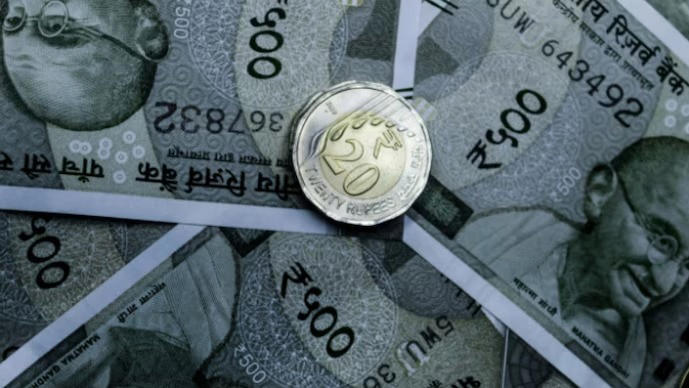
The Indian rupee witnessed a notable recovery on Monday, regaining strength to trade below the Rs 94 threshold against the US dollar. This rebound comes after the currency experienced a downturn, hitting an unprecedented low of 94.84 in the previous session. In early trading, the rupee increased by nearly 1%, reaching approximately 93.85 and providing some respite to the currency markets.

Reserve Bank of India Implements Forex Position Limits

The primary catalyst for this rapid recovery is a strategic intervention by the Reserve Bank of India (RBI). The central bank has mandated that banks limit their net open foreign exchange positions to $100 million by the end of each trading day. This directive compels banks to decrease large holdings of dollars, effectively increasing dollar availability in the market and bolstering the rupee’s value. Many of these positions were established through arbitrage activities between the onshore and offshore markets; unwinding these positions has significantly contributed to the rupee’s upward movement.

Market Reactions: Short-Covering and Increased Dollar Supply

The RBI’s intervention has instigated what traders refer to as “unwinding” or short-covering, where banks and traders who anticipated a decline in the rupee now seek to exit those trades. This rush to sell dollars has created a substantial pressure that is pushing the rupee higher within a brief timeframe. According to market estimates, these previous positions could have been valued in the tens of billions of dollars, which illustrates the rapidity and magnitude of the currency’s rebound.

Broader Market Outlook for the Rupee Remains Challenging

Despite the significant recovery, the long-term outlook for the rupee remains uncertain. Multiple factors continue to exert pressure on the currency, including rising crude oil prices, a strong dollar in the global market, and considerable foreign investor withdrawals. In March, the rupee depreciated by over 4%, marking one of its worst monthly performances in several years. The country’s heavy reliance on oil imports amplifies the rupee’s sensitivity to fluctuations in crude prices. An increase in oil prices necessitates more dollars for imports, further weakening the currency.

Technical Recovery Amid Sustained Volatility Risks

The recent rebound of the rupee is primarily attributed to the RBI’s intervention and lacks a fundamental shift in the underlying pressures affecting the currency. Although the immediate move offers some relief, heightened volatility is expected to persist. Future developments will largely depend on the trajectory of crude oil prices and the global risk sentiment in light of ongoing geopolitical tensions, particularly in West Asia. While the RBI has managed to halt the rupee’s decline for now, the currency’s future will still be influenced heavily by these external factors.

Long or Short, get news the way you like. No ads. No redirections. Download Newspin and Stay Alert, The CSR Journal Mobile app, for fast, crisp, clean updates!

App Store –  https://apps.apple.com/in/app/newspin/id6746449540 

Google Play Store – https://play.google.com/store/apps/details?id=com.inventifweb.newspin&pcampaignid=web_share

Latest News

Popular Videos
