


Rupee Hits All-Time Low Against USD Amidst Market Turmoil from Iran Conflict
The CSR Journal Magazine

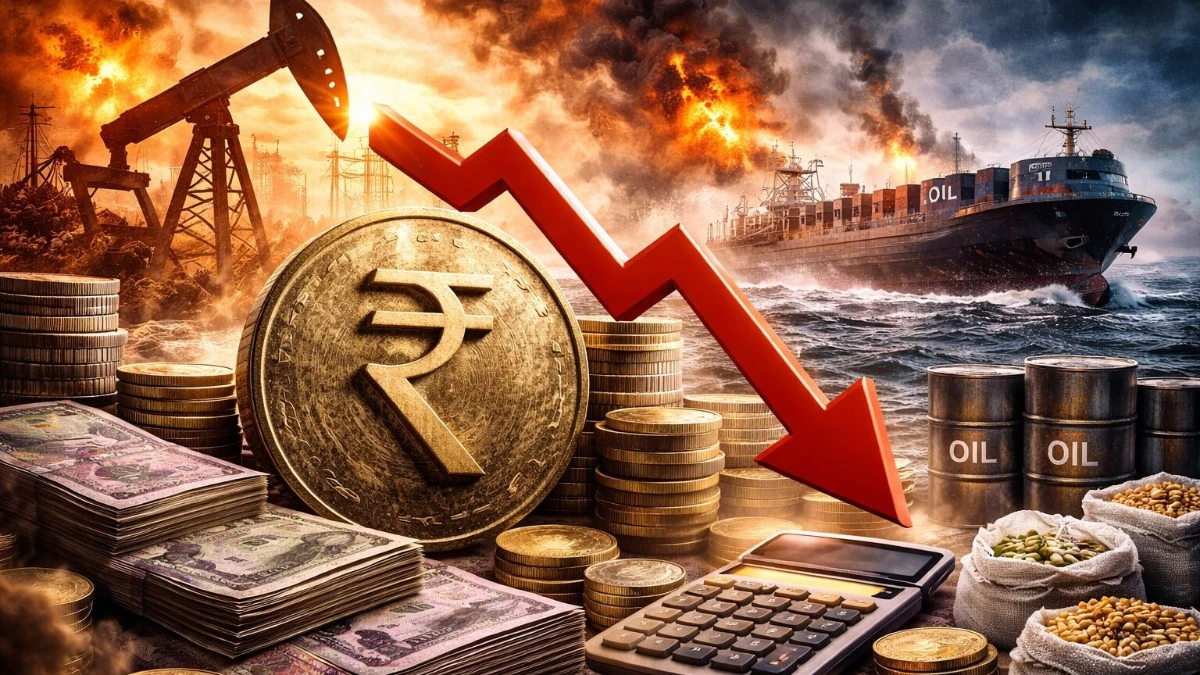
The Indian rupee has reached an unprecedented low against the US dollar, marking the first occasion in history that the currency has fallen to this level. The decline is attributed to the ongoing military conflict in Iran, which has created significant volatility in global markets. As tensions escalate in the region, investor confidence has dropped, resulting in a shift towards safer currencies such as the dollar. This move has exacerbated the rupee’s depreciation, leading to widespread concern among financial analysts and the business community.

Impact on Indian Economy and Trade

The depreciating rupee poses potential challenges for India’s economy, particularly in terms of trade and inflation. As imports become more expensive with the rise in the dollar value, essential commodities and energy prices may increase, further pressuring the Indian economy. This situation raises concerns about the long-term effects on local businesses and consumers, who may face higher costs of goods and services. Economists predict that continued fluctuations in currency values could hinder growth prospects unless stabilizing measures are implemented swiftly.

Responses from Financial Institutions

Financial institutions and analysts are observing the situation closely, with some calling for intervention measures from the Reserve Bank of India. Experts suggest that the central bank may need to consider adjusting interest rates or stepping in to stabilize the forex market. The rupee’s decline has prompted discussions surrounding potential impacts on foreign investment, as investors typically seek stable environments, and may rethink their strategies in light of the current crisis.

Long-Term Implications of Currency Fluctuations

The long-term ramifications of the rupee’s decline could be significant for India’s economic landscape. Continuous depreciation may affect the country’s credit rating and increase borrowing costs. Moreover, a weaker currency can lead to greater uncertainty among foreign investors, who may reassess their positions in the Indian market, potentially resulting in reduced inflows of foreign capital. This situation could necessitate a reevaluation of economic policies to foster a more resilient and competitive environment.

Market Predictions Amid Ongoing Conflict

Market predictions indicate that the volatility surrounding the Iran conflict may persist, keeping the rupee under pressure. Investors and traders are advised to remain vigilant as geopolitical developments unfold. Financial markets are highly reactive to news and events in this context, and the interplay of international relations may have profound effects on economic stability. Analysts urge stakeholders to prepare for possible fluctuations in currency values as the situation develops further.

Continued Monitoring of the Situation

In light of the ongoing situation, it is essential for all stakeholders, including government officials, business leaders, and financial analysts, to continue monitoring currency trends and geopolitical events. Understanding the correlation between these factors will be crucial in navigating the potential challenges ahead. Ongoing updates will be necessary as developments occur, impacting both short-term strategies and long-term planning for the economy.

Long or Short, get news the way you like. No ads. No redirections. Download Newspin and Stay Alert, The CSR Journal Mobile app, for fast, crisp, clean updates!

App Store –  https://apps.apple.com/in/app/newspin/id6746449540 

Google Play Store – https://play.google.com/store/apps/details?id=com.inventifweb.newspin&pcampaignid=web_share

Latest News

Popular Videos
