


app-store-logo
play-store-logo
March 16, 2026

Rishi Sunak Warns of Supply Crises From Iran Tensions, Urges UK Resilience
The CSR Journal Magazine

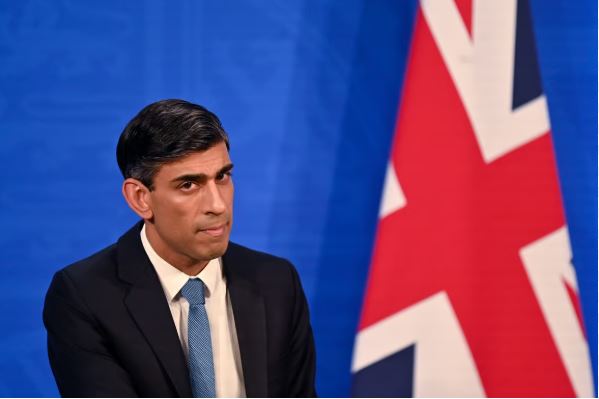
Former Prime Minister Rishi Sunak articulated concerns regarding the current crisis in the Middle East, marking it as the fourth significant supply shock of the decade. He categorized the precedents as the COVID-19 pandemic, the Russia-Ukraine conflict, and the implementation of Chinese restrictions on rare earth exports. Sunak emphasized that the United Kingdom must increase its resilience due to its limited strategic gas reserves, which he noted are sufficient for only a few days.

Consequences of Potential Closure of the Strait of Hormuz

In an opinion piece for a national publication, Sunak remarked on the assumption that Iran would refrain from closing the Strait of Hormuz, as it relies heavily on the revenue generated from exports passing through this vital waterway. However, he observed that the Iranian government is attempting to restrict access to this route to preferred vessels. Sunak stated that such actions could severely impact the global economy, noting that if the United States fails to maintain accessibility to this strait, the ramifications would extend beyond economic consequences.

Repercussions Across Industries and Regions

Sunak highlighted the broader repercussions of a potential closure of the Strait of Hormuz, illustrating its impact on various sectors. He noted closures of restaurants in Bangalore due to gas shortages, concerns among South Korean electronics manufacturers about helium supplies crucial for chip production, and threats to agricultural operations from rising fertilizer costs. The timing of these fertilizer price increases coincides with critical agricultural activities, such as the application of nitrogen and the sowing of key crops like spring barley.

Lessons from the Pandemic on Supply Chain Vulnerabilities

The former Prime Minister pointed out that the COVID-19 pandemic had raised awareness about weaknesses in global supply chains, leading to improved strategies among businesses and governments. He referenced a particular company vital to European defense that is now sourcing supplies cautiously, refusing inputs from Taiwan, China, and the United States due to geopolitical uncertainties, and is mandating a year’s stockpile from its suppliers. A leading defense firm has also increased its orders to secure a four-year reserve of rare earth materials as protection against disruptions.

The Potential Threats in the Taiwan Strait

Sunak examined the risks posed by the ongoing situation in the Strait of Hormuz, citing concerns about the potential for a supply shock in the Taiwan Strait. He stressed the importance of deterring conflict in that area, expressing worry that China may perceive an opportunity given the U.S. military’s rapid depletion of munitions in the ongoing conflict in Ukraine. Prior to the current tensions, analysts had predicted that the U.S. might exhaust its stock of long-range precision munitions shortly after the outbreak of hostilities over Taiwan.

Urgency in Munitions Production and Preparedness

Sunak urged an acceleration of munitions production to ensure that the West remains prepared. He criticized the lengthy timeline for increasing production of essential defense systems, noting that it could take up to seven years for Lockheed Martin to enhance the output of Patriot interceptors. He concluded his observations with a reminder of the importance of military preparedness, invoking the Latin phrase “si vis pacem, para bellum,” which translates to “If you want peace, prepare for war.”

Long or Short, get news the way you like. No ads. No redirections. Download Newspin and Stay Alert, The CSR Journal Mobile app, for fast, crisp, clean updates!

App Store –  https://apps.apple.com/in/app/newspin/id6746449540 

Google Play Store – https://play.google.com/store/apps/details?id=com.inventifweb.newspin&pcampaignid=web_share

Latest News

Popular Videos
