


app-store-logo
play-store-logo
March 16, 2026

Restrictions Under Graded Response Action Plan Lifted in Delhi NCR as Air Quality Shows Improvement

The CSR Journal Magazine

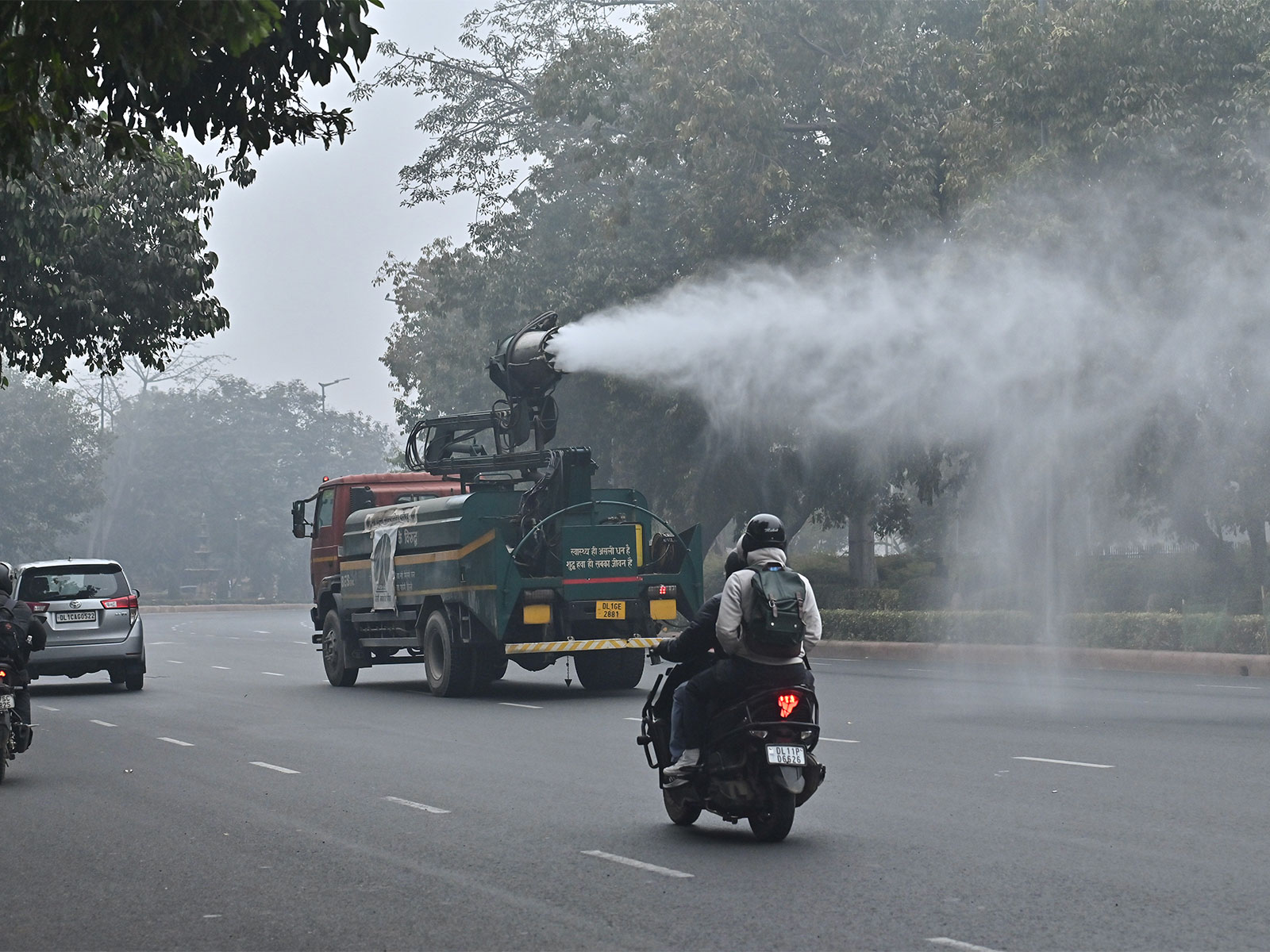
The Commission for Air Quality Management (CAQM) has announced the immediate revocation of Stage-I actions under the Graded Response Action Plan (GRAP) for the National Capital Region (NCR) and surrounding areas, attributing this change to a noticeable improvement in air quality. As of Monday afternoon, Delhi recorded an Air Quality Index (AQI) of 119, indicating moderate conditions. Forecasts from the Indian Meteorological Department and the Indian Institute of Tropical Meteorology suggested that similar air quality levels may persist in the upcoming days.

Call for Continued Vigilance and Implementation of Air Quality Measures

Despite the improvements, the CAQM has urged state agencies and the Government of the National Capital Territory of Delhi (GNCTD) to remain vigilant and continue enforcing statutory directions and dust control measures. This proactive approach aims to sustain the current level of air quality and prevent a deterioration back to the ‘Poor’ category.

Overview of Graded Response Action Plan and Its Significance

According to the Ministry of Environment, Forest and Climate Change, the Graded Response Action Plan is an emergency mechanism tailored for the entire NCR. It is predicated on average AQI levels and meteorological forecasts in the region, facilitating coordinated actions among various stakeholders and authorities to tackle worsening air quality situations. The development of the GRAP was informed by thorough scientific analysis, consultations with stakeholders, expert guidance, and historical data.

Initiation of Targeted Public Engagement Campaigns

Earlier in March, the CAQM rolled out a framework mandating NCR states and GNCTD to implement targeted Information, Education and Communication (IEC) campaigns designed to address local sources of air pollution. This initiative aims to institutionalize ongoing public engagement as a fundamental aspect of pollution management across Delhi and NCR, focusing on fostering behavioral changes year-round rather than merely reactive measures during pollution spikes.

Recommendations for Enhanced Public Engagement Strategies

In its recent advisory, the CAQM encouraged all NCR states and GNCTD to guide relevant agencies in planning and executing targeted IEC campaigns that are in line with the principal sources of air pollution in the region. There is a strong emphasis on addressing key contributors such as vehicular emissions, construction dust, biomass combustion, and industrial discharges. The CAQM advocates a multi-faceted outreach approach, utilizing various mediums including print, electronic, and digital platforms, as well as social media and community-level efforts.

Collaboration with Community and Stakeholder Groups Encouraged

Engagement with groups such as Resident Welfare Associations (RWAs), farmers’ collectives, transport unions, and market organizations has been particularly highlighted to ensure broad participation. States are also encouraged to explore innovative outreach models to amplify the effectiveness of these campaigns. The CAQM’s emphasis on collaboration aims to create a collective effort towards improving air quality across the region.

Long or Short, get news the way you like. No ads. No redirections. Download Newspin and Stay Alert, The CSR Journal Mobile app, for fast, crisp, clean updates!

App Store –  https://apps.apple.com/in/app/newspin/id6746449540 

Google Play Store – https://play.google.com/store/apps/details?id=com.inventifweb.newspin&pcampaignid=web_share

Latest News

Popular Videos