


app-store-logo
play-store-logo
February 26, 2026

Rangbhari Ekadashi 2026: Date, Rituals, and Spiritual Significance Explained
The CSR Journal Magazine

Rangbhari Ekadashi, also called Amalaki Ekadashi, is a significant day in the Hindu calendar, marking the lead-up to Holi celebrations, particularly in Varanasi. In 2026, there was some confusion regarding the date, with suggestions of February 26 or 27. Consulting the Hindu Panchang clarifies that the Ekadashi Tithi begins at 12:33 AM on February 26 and ends at 10:32 PM on February 27.

Since Ekadashi is observed according to the Tithi present at sunrise (Udaya Tithi), devotees should fast on February 27, 2026, with the Parana (fast-breaking) scheduled the next day, February 28, from 6:47 AM to 9:06 AM.

Why the Date Confusion Arises

The confusion stems from the Tithi starting just after midnight on February 26. Hindu fasting practices consider the Tithi at sunrise as the proper day for observance. Therefore, while the Ekadashi technically begins on February 26, the rituals are performed on February 27. Both Smarta and Vaishnava traditions follow this consensus, ensuring no major differences in practice.

Spiritual Significance of Rangbhari Ekadashi

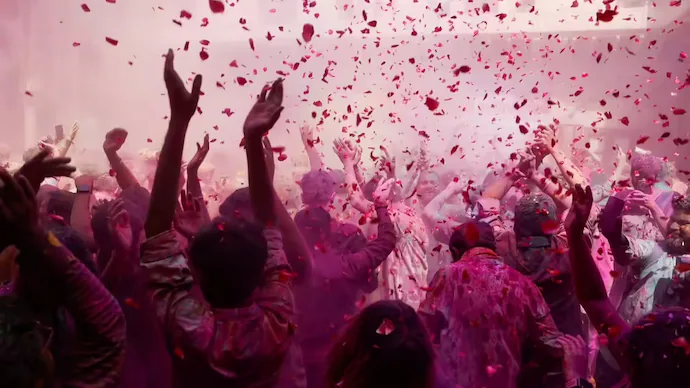
Rangbhari Ekadashi occurs during the Phalguna Shukla Paksha and is especially important in Kashi (Varanasi). Devotees honor the sacred amla (Indian gooseberry) tree, believed to be connected to Lord Vishnu. The festival also commemorates Lord Shiva returning to Kashi with Goddess Parvati after their wedding. Celebrations feature vibrant processions, temple rituals, and the use of gulal, particularly at Kashi Vishwanath Temple, as a colorful prelude to Holi.

Rituals and Observances

Devotees observe Rangbhari Ekadashi with various rituals, beginning with an early morning bath followed by a day-long fast. Worship includes Vishnu puja using amla fruit, tulsi leaves, lamps, and offering prayers and abhishekam to Shiva-Parvati.

Recitation of the Vishnu Sahasranama and other sacred mantras is customary. Devotees are also encouraged to donate food, clothing, or financial aid to those in need. The fast is broken during the Parana period the following morning, often with fruits and milk.

Spiritual Benefits of Observing Ekadashi

Observing Rangbhari Ekadashi is believed to cleanse sins, bring prosperity, and provide spiritual merit equivalent to a year of worship. Devotion on this day is said to please both Lord Vishnu and Lord Shiva, granting inner peace, success, and spiritual growth, including progress toward moksha.

For 2026, Rangbhari Ekadashi is confirmed for February 27. Whether celebrated at home or amidst the grand festivities in Varanasi, this sacred day offers devotees an opportunity for devotion, reflection, and a joyous introduction to the Holi celebrations.

Long or Short, get news the way you like. No ads. No redirections. Download Newspin and Stay Alert, The CSR Journal Mobile app, for fast, crisp, clean updates!

App Store –  https://apps.apple.com/in/app/newspin/id6746449540 

Google Play Store – https://play.google.com/store/apps/details?id=com.inventifweb.newspin&pcampaignid=web_share

Latest News

Popular Videos
