


Putin Announces 36-Hour Easter Ceasefire in Ukraine Conflict
The CSR Journal Magazine

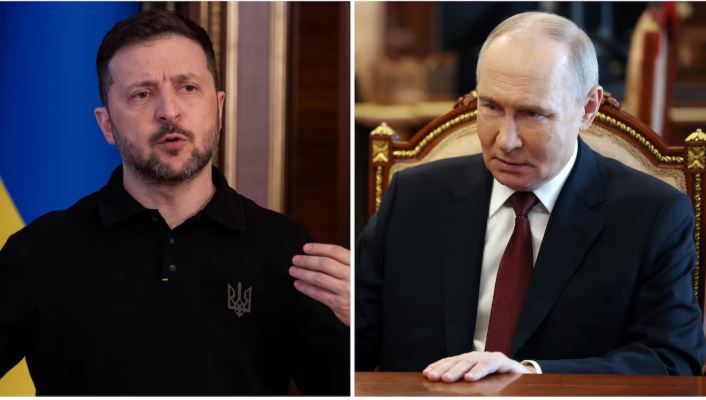
In a significant development, Russian President Vladimir Putin has declared a unilateral ceasefire with Ukraine, coinciding with the Orthodox Easter celebrations. The announcement was made public on Friday, highlighting an intent to observe the holiday respectfully. The truce is to be effective for a duration of 36 hours, starting on Saturday, April 15, and concluding on Sunday evening, April 16. This decision follows months of ongoing conflict between the two nations and is seen as a notable gesture during a time meant for reflection and peace.

Implications for the Ongoing Conflict

The ceasefire represents a potential shift in the dynamics of the conflict, albeit temporarily. Putin’s declaration aims to encourage adherence to the peace initiative during the Christian holiday, a period traditionally associated with forgiveness and renewal. Ukrainian officials have responded cautiously to the announcement, emphasizing the necessity for tangible actions rather than purely symbolic gestures. They have indicated that any such ceasefire must be backed by a comprehensive and genuine diplomatic effort to resolve the ongoing war.

Church Leaders React

Religious leaders from both Russia and Ukraine have expressed their support for any move that promotes peace and reconciliation. The Orthodox Christian community worldwide has welcomed the truce as a moment for families to come together in prayer and reflection. Church leaders have called for an end to hostility, urging both nations to embrace the spirit of the season and seek avenues for lasting peace. The role of the Church in fostering dialogue between the two parties may become increasingly prominent, especially as peace talks are considered.

International Response to the Truce

The international community is closely monitoring the situation, with various countries expressing hopes that this ceasefire could pave the way for renewed negotiations. Observers have pointed out that a successful truce, even a temporary one, could provide an opportunity to address humanitarian needs arising from the conflict. Diplomatic channels remain open, and external actors have indicated they are ready to assist in facilitating discussions aimed at a more sustainable resolution to the war.

Previous Ceasefires and Their Outcomes

Historically, attempts at ceasefire between Russia and Ukraine have often been marred by violations from both sides, leading to skepticism regarding the longevity and effectiveness of such agreements. Past initiatives have frequently failed to lead to a peaceful settlement, underscoring the complexity of the ongoing conflict. The widespread impact of violence on civilians and infrastructure continues to be a pressing concern. Monitoring bodies and humanitarian organizations stand ready to respond should the situation require intervention during this ceasefire period.

Looking Ahead After Easter

The Orthodox Easter truce provides a brief respite in the broader context of the conflict, which has persisted since 2014. Analysts note that the days following the holiday will be critical in assessing both the spirit and implementation of the truce. The commitment of both Russia and Ukraine to uphold the ceasefire and seek a path toward dialogue will be closely scrutinized. As communities celebrate during this sacred time, the hope remains that such observances can lead to meaningful negotiations toward peace.

Long or Short, get news the way you like. No ads. No redirections. Download Newspin and Stay Alert, The CSR Journal Mobile app, for fast, crisp, clean updates!

App Store –  https://apps.apple.com/in/app/newspin/id6746449540 

Google Play Store – https://play.google.com/store/apps/details?id=com.inventifweb.newspin&pcampaignid=web_share

Latest News

Popular Videos
