


Punjab ‘Bandh’ Disrupts Daily Life Amid Statewide Protests
The CSR Journal Magazine

The ‘bandh’ organised by the Qaumi Insaaf Morcha, which demands the release of Sikh prisoners, significantly affected several regions in Punjab on August 21. Major cities witnessed heavy police presence to manage public order amid the shutdown. The bandh was endorsed by various Sikh organisations and lasted from 7 am to 2 pm, leading to the closure of shops and traffic disruptions.

In Mohali, some shutdown supporters attempted to obstruct traffic at key intersections, causing delays for commuters. Law enforcement closely monitored the situation to ensure that the protests remained peaceful.

Amritsar experienced a similar situation, with police deployed extensively throughout the city. ADCP Harpal Singh confirmed that all local markets were shut down, but said the atmosphere remained calm. He noted the support from various community groups for the bandh.

Law Enforcement Measures Subsume Potential Unrest

In Moga, Inspector Gurwinder Singh Bhullar indicated that preparations were made well in advance in anticipation of any disturbances. He assured residents that essential services would be operational and urged the public to go about their day without fear.

Inspector Bhullar remarked, “The police force is fully deployed, and we will not permit any disruptions to the law and order situation.” The police were coordinating their efforts to ensure that protesters adhered to peaceful methods of demonstration, despite the potentially volatile circumstances.

Despite the challenging weather, which included heavy rainfall, Bhullar noted that no significant protests had occurred as people remained engaged in their daily activities. His statement aimed to alleviate public anxiety around the shutdown and its implications.

Historical Context and Government Response

The current protests stem from prior demonstrations on August 15, when Qaumi Insaaf Morcha members were confronted by police while trying to march towards the Punjab Governor’s residence in Chandigarh. Protesters aimed to highlight their demands for the release of Sikh prisoners, including Jagtar Singh Hawara, who was sentenced to life in prison for the assassination of former Punjab Chief Minister Beant Singh in 1995.

The government has faced criticism for its handling of these protests. Bapu Gurcharan Singh, Jagtar Singh Hawara’s father, stated that the right to peaceful protest is fundamental in a democratic society. He accused the government of creating obstacles to legitimate demonstrations, asserting that their protests had been non-violent for over three years.

Singh also expressed the need for one of the detained Sikhs to receive parole to visit his seriously ill mother, highlighting the humanitarian angle of their demands. His comments underscored the persistent grievances within the Sikh community regarding justice and recognition.

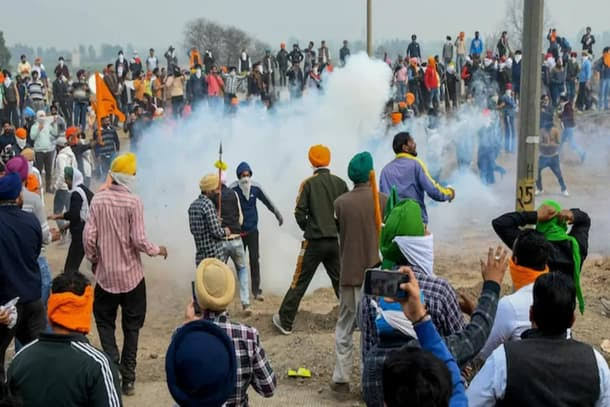
In response, Chandigarh SSP Kanwardeep Kaur outlined that police had repeatedly urged protesters to maintain a peaceful approach. Reports indicated that some demonstrators attempted to breach police barricades, leading to clashes. Police used non-lethal measures, including tear gas and water cannons, to disperse crowds during escalated tensions.

Following the confrontation, there were reported injuries among police personnel, prompting legal procedures concerning detentions and incidents during the protests. The authorities are committed to managing future demonstrations more effectively while addressing the concerns raised by the Qaumi Insaaf Morcha.

Long or Short, get news the way you like. No ads. No redirections. Download Newspin and Stay Alert, The CSR Journal Mobile app, for fast, crisp, clean updates!

App Store –  https://apps.apple.com/in/app/newspin/id6746449540 

Google Play Store – https://play.google.com/store/apps/details?id=com.inventifweb.newspin&pcampaignid=web_share

Latest News

Popular Videos
