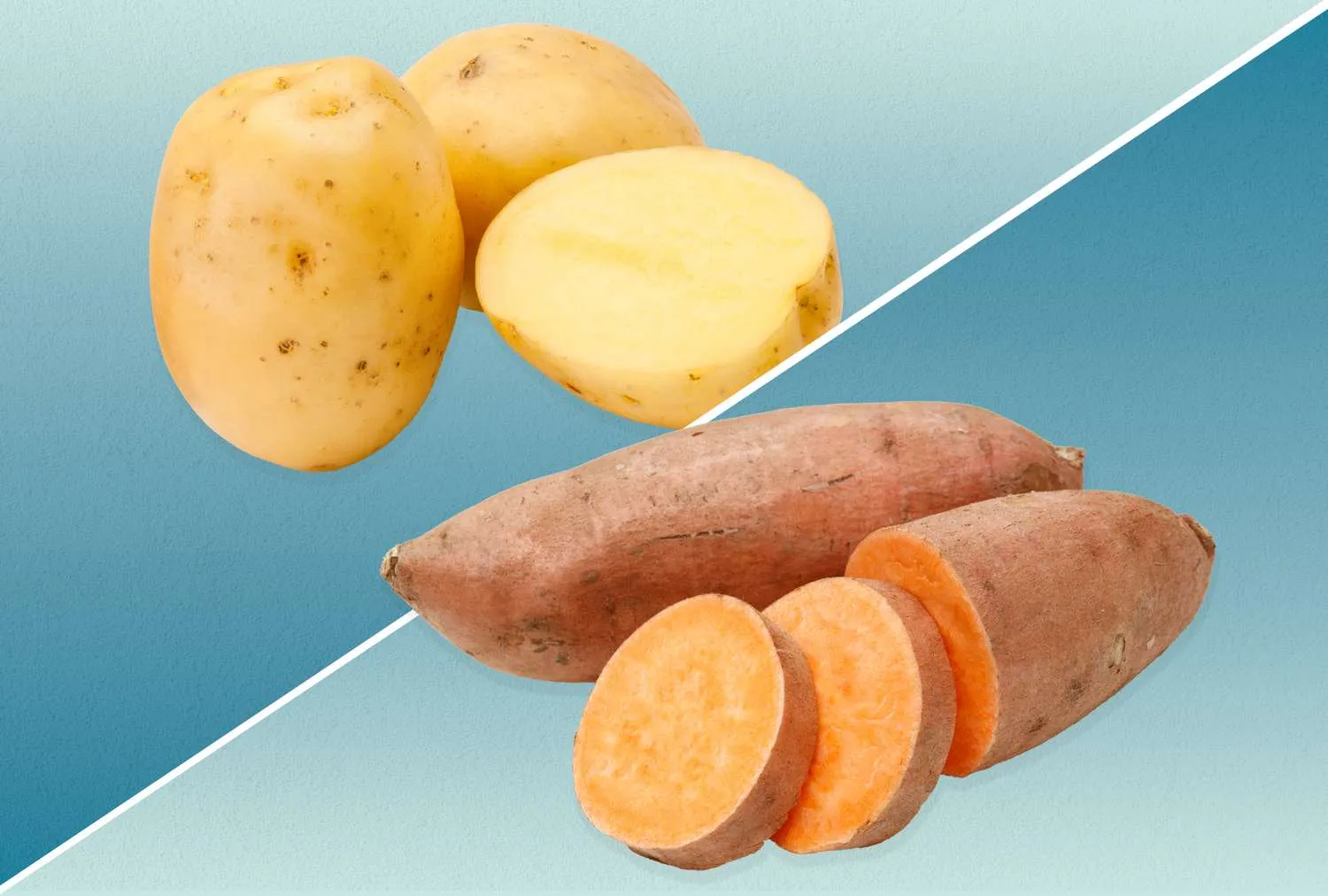
For individuals looking to manage conditions such as diabetes or prediabetes, the choice between potatoes and sweet potatoes often arises. Both are integral to Indian cuisine, known for their affordability, palatability, and versatility. However, their impacts on blood sugar regulation are sometimes perceived differently. While sweet potatoes are frequently hailed as the healthier option, white potatoes have gained a reputation for potentially causing rapid increases in blood sugar levels. The reality, however, is more complex and depends on various factors, including preparation methods and portion sizes.
The Role of Glycaemic Index
The glycaemic index (GI) is a crucial measure indicating how quickly different foods affect blood sugar levels. Foods with a high GI can cause swift spikes in glucose, whereas those with a lower GI tend to lead to gradual increases. White potatoes generally possess a moderate to high GI that varies by the specific type and cooking technique used. For instance, boiled white potatoes usually have a moderate GI, while mashed or baked varieties may exhibit a higher GI. In contrast, sweet potatoes typically demonstrate a lower to moderate GI, particularly when prepared by boiling, suggesting a slower impact on blood sugar. Nevertheless, the GI can fluctuate based on cooking methods, as boiling preserves the GI more effectively than baking or frying, making sweet potatoes slightly more favorable under certain conditions.
Understanding Fiber Content
Fiber is an important nutrient that slows digestion and helps to prevent abrupt increases in blood sugar levels. Sweet potatoes usually provide a higher fiber content, particularly when consumed with their skin. Additionally, orange sweet potatoes are rich in beta-carotene, which contributes positively to overall health. On the other hand, white potatoes have slightly less fiber, and peeling them can reduce fiber content even further. An increased fiber intake translates to slower sugar absorption, thereby offering better blood sugar control, further tilting the advantage toward sweet potatoes.
Comparing Carbohydrate and Caloric Values
Both potatoes and sweet potatoes are rich in carbohydrates. In a standard serving of 100 grams, white potatoes contain around 17 grams of carbohydrates, while sweet potatoes have approximately 20 grams. The caloric difference between the two is minimal, with both serving as significant energy sources. The central distinction lies in how quickly these carbohydrates convert into glucose in the bloodstream, with portion size being a critical factor. For instance, consuming large portions of either type can significantly elevate blood sugar, highlighting the importance of moderation.
The Impact of Cooking Methods
The method of preparation can drastically alter the effects on blood sugar. Boiling and cooling potatoes creates resistant starch, which functions similarly to fiber and may assist in blood sugar control. Conversely, frying potatoes, such as in the form of chips or fries, can prompt rapid spikes in glucose while adding unhealthy fats. Similarly, mashed potatoes are digested more rapidly, leading to quicker blood sugar increases. The same principles apply to sweet potatoes, with deep-fried options like sweet potato fries also posing a risk. For individuals focused on blood sugar control, it is advisable to boil rather than fry, consume alongside proteins, and enhance meals with fiber-rich foods.
Final Thoughts on Potato Selection
For those with diabetes or insulin resistance, sweet potatoes may present slight advantages due to their lower glycaemic index, higher fiber content, and superior micronutrient profile when boiled. However, this does not imply that white potatoes are harmful; they offer essential nutrients such as potassium and vitamin C. When consumed in moderation and prepared appropriately, white potatoes can certainly fit into a balanced dietary plan. Hence, for optimal health management, prioritizing boiled sweet potatoes and controlling portions while incorporating proteins and healthy fats can be beneficial. Ultimately, the focus should be on preparation methods and portion sizes rather than solely on the type of potato consumed.