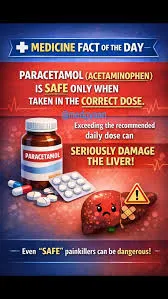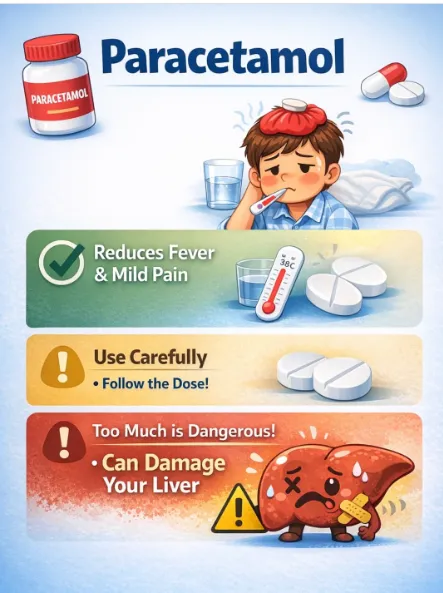

It usually starts small. A dull headache after a long day. A mild fever that refuses to settle. Without much thought, you reach into your bag or medicine drawer and pop a paracetamol. No second guessing, no worry. It’s the most familiar pill we know—trusted, affordable, and almost invisible in its presence. But what happens when something so common becomes something we take for granted?
The Comfort of a Familiar Pill
Paracetamol has earned its place as a household staple. Doctors recommend it, parents rely on it, and travellers keep it close. Used in the right dose, it does exactly what it promises—eases mild to moderate pain and brings down fever without upsetting the stomach. For most healthy adults, taking it occasionally is safe and effective.
That sense of safety is real—but it can also make us careless.
“Just One More Won’t Hurt”… Or Will It?
Many of us treat paracetamol like a quick fix rather than a medicine. A second tablet for stubborn pain. Another dose because the fever hasn’t fully gone. A pill before bed, just in case. On its own, each decision feels harmless.
The problem begins when “every now and then” quietly turns into “almost every day.”
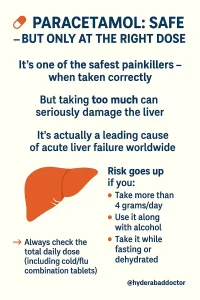
Paracetamol is processed by the liver, an organ that works tirelessly without complaint. When taken within limits, the liver handles it smoothly. But when doses exceed the recommended amount—or are taken too often—the liver begins to struggle. The danger lies in the silence. There may be no immediate discomfort, no warning signs, no pain to signal that something is wrong.
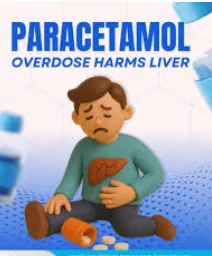
The Risk You Can’t Feel
Unlike a stomach ache or dizziness, liver damage doesn’t announce itself early. Regular overuse of paracetamol can slowly strain the liver until the damage is serious. By the time symptoms appear, the situation may already be critical.
This is what makes paracetamol different from many other medicines. The harm isn’t loud or instant. It builds quietly, hidden behind routine and habit.
When Alcohol Enters the Picture
Now add alcohol to the mix. A drink after work. A weekend gathering. For many, this is normal life. But combining alcohol with paracetamol—even at doses that seem safe—significantly raises the risk of liver injury.
Alcohol changes the way the body breaks down paracetamol, creating more toxic by-products that the liver must fight off. For regular drinkers, the margin for safety becomes much smaller, and what once felt harmless can turn dangerous.
The Label We Rarely Read
One of the most common mistakes isn’t overdosing intentionally—it’s overdosing accidentally. Paracetamol hides in plain sight, present in cold, flu, and combination pain medicines. Taking a tablet for a headache and a syrup for a cold may mean doubling the dose without realising it.
Reading labels, spacing doses properly, and knowing the maximum daily limit are simple steps, yet often ignored. In this case, a few extra seconds of attention can protect your health.