


app-store-logo
play-store-logo
March 17, 2026

Paneer vs Tofu: Which Is the Better Protein? Urban India Joins the Debate
The CSR Journal Magazine

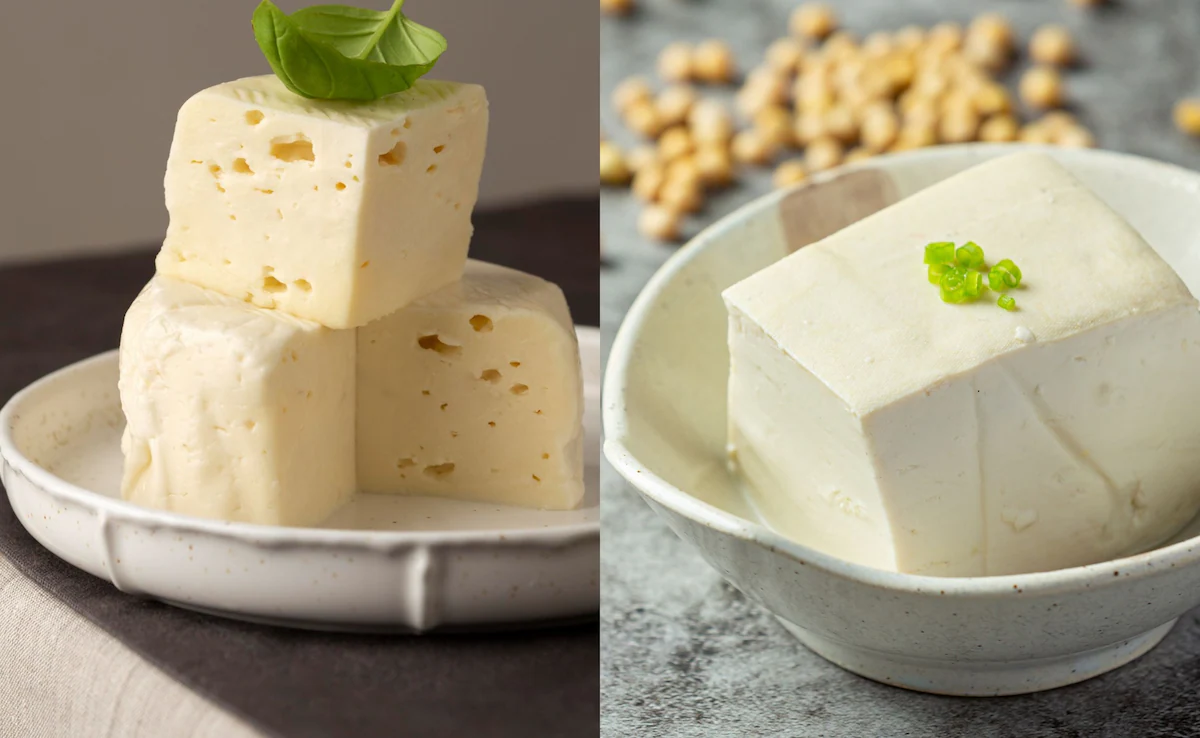
Urban Indians are increasingly focusing on achieving their protein intake goals, exploring various dietary options. While dairy products, particularly paneer, have been staples of nutritional diets in India, plant-based alternatives like tofu are gaining prominence. A detailed comparison of these two popular food items reveals distinct differences in their nutritional profiles.

Paneer: The Dairy Staple

Paneer is a type of fresh cheese widely consumed in India, produced by curdling milk using acidic substances such as lemon juice or vinegar. It is noted for its high protein content, providing approximately 18 to 25 grams of protein per 100 grams. Paneer contains all essential amino acids, primarily due to its rich casein protein content derived from milk.

This quality makes it appealing, particularly among non-vegetarians and those who include dairy in their diets. Furthermore, individuals who are lactose intolerant may still consume paneer in moderation, as its production process alters lactose levels.

Tofu: The Plant-Based Alternative

Tofu is produced from soy milk, made by soaking soybeans, blending them with water, and then coagulating the mixture to form curds. Tofu generally contains between 8 to 13 grams of protein per 100 grams, which is lower than paneer. However, the protein in tofu is plant-based, making it a suitable option for vegans and those avoiding dairy products. The nutrient content of tofu can vary depending on the specific type and preparation methods.

Comparing Caloric and Fat Content

One of the most significant contrasts between paneer and tofu lies in their calorie and fat content. Paneer is higher in calories, with about 300 kcal and 20 to 25 grams of fat per 100 grams, comprising approximately 14 grams of saturated fats. Excessive intake of saturated fats can lead to escalated LDL cholesterol levels, potentially heightening cardiovascular disease risk.

Conversely, tofu is much lower in calories, ranging from 80 to 140 kcal, depending on its type, and contains around 5 to 8 grams of fat. Additionally, tofu is rich in plant-based polyunsaturated fats, posing a healthier option in terms of fat content.

Calcium and Other Nutrients

When it comes to calcium, paneer has a distinctive advantage, as it is derived from dairy and generally offers a higher calcium content than tofu. That said, certain tofu varieties are enhanced with additional calcium salts, potentially increasing their calcium levels. Tofu also boasts the presence of isoflavones, compounds currently under investigation for their potential advantages in promoting heart health.

No Definitive Answer

Determining whether paneer or tofu is the superior food option is not straightforward; it largely relies on individual nutritional requirements. No single food can be regarded as superior overall. For those seeking plant-based protein sources, tofu serves as an excellent alternative.

On the other hand, if one needs a calorie-dense, protein-rich option, paneer is the preferred choice. It is essential to consider not just the type of food consumed, but also the frequency and quantity of intake in one’s diet.

Long or Short, get news the way you like. No ads. No redirections. Download Newspin and Stay Alert, The CSR Journal Mobile app, for fast, crisp, clean updates!

App Store –  https://apps.apple.com/in/app/newspin/id6746449540 

Google Play Store – https://play.google.com/store/apps/details?id=com.inventifweb.newspin&pcampaignid=web_share

Latest News

Popular Videos
