


app-store-logo
play-store-logo
March 14, 2026

Pakistan’s Water Crisis Linked to Rising Kidney Disease Cases
The CSR Journal Magazine

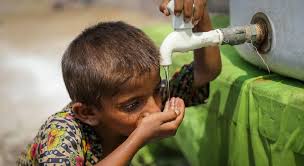
Pakistan is grappling with a severe health crisis, as the increased consumption of contaminated drinking water leads to a significant rise in kidney failure cases across the nation. Medical professionals have raised alarms that thousands of individuals are developing critical renal conditions annually, primarily due to unsafe water sources and inadequate healthcare infrastructure. These concerns were emphasized by the Pakistan Medical Association (PMA) in a statement released in conjunction with World Kidney Day.

The PMA indicated that the country might see between 25,000 and 50,000 new cases of end-stage renal disease this year, necessitating many patients to rely on dialysis or kidney transplants for survival. They attributed this escalating crisis to the widespread contamination of drinking water, which remains a severe threat to public health across Pakistan.

Dr. Abdul Ghafoor Shoro, representing the PMA, pointed out that approximately 80 percent of the population lacks consistent access to safe drinking water, exposing millions to harmful substances. The alarming situation is particularly pronounced in rural areas of Sindh and Balochistan, where residents frequently rely on untreated groundwater sources. Various studies conducted in different regions have revealed alarming contamination levels in drinking water.

Research has uncovered hazardous concentrations of substances such as arsenic, lead, and other detrimental minerals, alongside disease-causing pathogens that can lead to severe kidney function impairment. In urban centers like Karachi, over 90 percent of available water sources have been found to contain dangerous pollutants. The situation has worsened, exacerbated by rising fuel costs and ongoing energy shortages.

In Karachi specifically, more than 80 percent of the population relies on purchasing water, significantly increasing financial pressure on households. Additionally, the city’s gas supply shortages have made it challenging for families to boil water before consumption, further heightening the risk of exposure to contaminated sources.

Medical professionals have criticized the government’s approach, arguing that funds are being prioritized for specialized kidney treatment facilities at the expense of clean drinking water infrastructure. The PMA has warned that chronic kidney disease is already affecting 15 to 20 percent of adults over 40 years old in Pakistan, with approximately 100 new cases arising annually per million people.

To counter the escalating crisis, the PMA urged the government to consider the situation a national emergency. It called for improvements in water infrastructure, increased funding for healthcare, and the expansion of dialysis centers within public hospitals to assist low-income patients effectively.

Long or Short, get news the way you like. No ads. No redirections. Download Newspin and Stay Alert, The CSR Journal Mobile app, for fast, crisp, clean updates!

App Store –  https://apps.apple.com/in/app/newspin/id6746449540 

Google Play Store – https://play.google.com/store/apps/details?id=com.inventifweb.newspin&pcampaignid=web_share

Latest News

Popular Videos
