


Pakistan Rice Exports Fall 35% in February Amid Sector Challenges
The CSR Journal Magazine

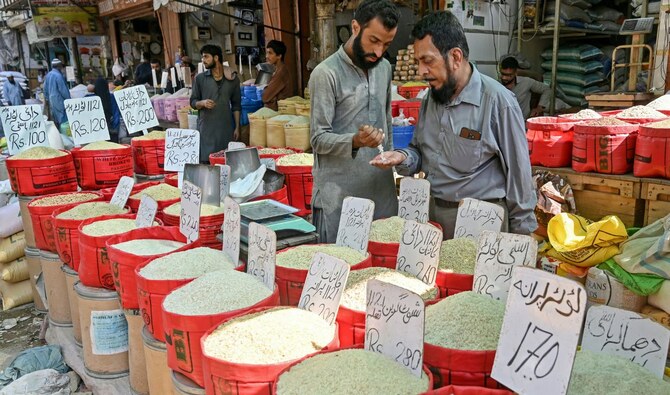
The rice export sector in Pakistan experienced a significant downturn in February, with total shipments plummeting by 35.38 percent. This decline has emerged despite attempts by the government to support the industry through financial incentives aimed at boosting exporter activity. Many stakeholders within the rice sector have voiced concerns over the efficacy of the current subsidy initiatives, arguing that these measures have not successfully enhanced Pakistan’s standing in the international marketplace.

Government Incentives Insufficient to Compensate for Price Hikes

In a bid to alleviate the financial burden on exporters, the Pakistani government launched a duty drawback scheme, which aimed to reimburse local taxes incurred during the export process. Approximately PKR 15 billion was allocated to this program, which offered varying rebates of 3 percent for coarse rice exports and 9 percent for basmati rice. However, despite these efforts, the performance of rice exports has continued to falter.

Details of Export Performance

Recent data from the Pakistan Bureau of Statistics reveals that the value of basmati rice exports decreased by 19.21 percent, while the quantity shipped fell by 27.98 percent in February. Coarse rice, on the other hand, experienced even steeper declines, with export earnings dropping by 42.50 percent and the volume dispatched declining by 32.94 percent. These figures indicate a troubling trend for Pakistan’s rice industry, as efforts to boost exports seem to be falling short.

Structural Challenges Impeding Growth

Industry experts have identified persistent structural weaknesses in Pakistan’s rice sector as a primary reason for the declining export figures. One prominent exporter highlighted that the surge in domestic prices and significant stockpiling practices have severely hampered Pakistan’s competitiveness on the global stage. Additionally, this exporter noted that the country’s rice trade has historically concentrated on basic commodity exports rather than developing competitive export-oriented businesses.

Lack of Investment in Key Areas Cited

Over the last four decades, many exporters have opted to focus on achieving targets set under the Export Refinance Facility (ERF) instead of investing resources into enhancing operational efficiency, branding, and market development. Another exporter emphasized that the incentives provided during the export process cannot effectively address the foundational challenges plaguing agricultural production. According to this exporter, for Pakistan to regain its competitive edge, it is essential to foster improvements in agricultural productivity and to lower input costs for producers.

Need for Comprehensive Improvements

Key areas highlighted for improvement include the quality of seeds, advancements in irrigation systems, affordability of fertilizers, and reduced energy costs. Stakeholders assert that addressing these issues is crucial for sustainable growth in rice exports moving forward. Without significant reforms and strategic investments in agricultural infrastructure, the challenges faced by Pakistan’s rice sector are likely to persist.

Long or Short, get news the way you like. No ads. No redirections. Download Newspin and Stay Alert, The CSR Journal Mobile app, for fast, crisp, clean updates!

App Store –  https://apps.apple.com/in/app/newspin/id6746449540 

Google Play Store – https://play.google.com/store/apps/details?id=com.inventifweb.newspin&pcampaignid=web_share

Latest News

Popular Videos
