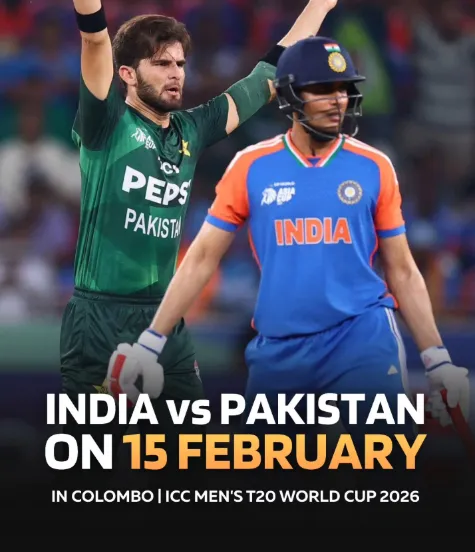
In a dramatic development ahead of the T20 World Cup 2026, Pakistan has decided to reverse its earlier decision to boycott the highly anticipated clash against India. The Pakistan Cricket Board (PCB) confirmed that the national team will participate in the match scheduled for February 15 in Colombo, ending weeks of uncertainty and speculation.
The decision comes after intensive consultations involving PCB officials, Prime Minister Shehbaz Sharif, and international cricket authorities. PCB chairman Mohsin Naqvi reportedly briefed the Prime Minister on discussions with the International Cricket Council (ICC), as well as communications with the cricket boards of Bangladesh, Sri Lanka, and the United Arab Emirates. These talks aimed to resolve the controversy surrounding Pakistan’s initial withdrawal from the India match.
The ICC also played a crucial role in facilitating dialogue, sending a two-member delegation to meet PCB officials in Lahore. Representatives from the Bangladesh Cricket Board were present as well, urging Pakistan to reconsider its boycott while also negotiating the T20 World Cup appearance fee as compensation.
Sources indicate that Pakistan set certain conditions for agreeing to play the match, including restoration of cricketing ties with India, a larger share of ICC revenue, and enforcement of the handshake policy to maintain sporting decorum. These measures were reportedly accepted or negotiated to ensure that the match could proceed smoothly.
The reversal of the boycott has been widely welcomed by cricket fans across the globe, who have eagerly awaited the India-Pakistan fixture, historically one of the most thrilling contests in international cricket. With tensions diffused, players and officials can now focus entirely on preparation for the tournament, ensuring that fans will witness a high-stakes, competitive encounter on February 15.
The ICC and PCB have emphasized that this resolution underscores the importance of dialogue and cooperation in international cricket, setting a positive precedent for handling future disputes between participating nations.