


Pakistan Implements Early Market Closures Amid Fuel Crisis Linked to Iran War
The CSR Journal Magazine

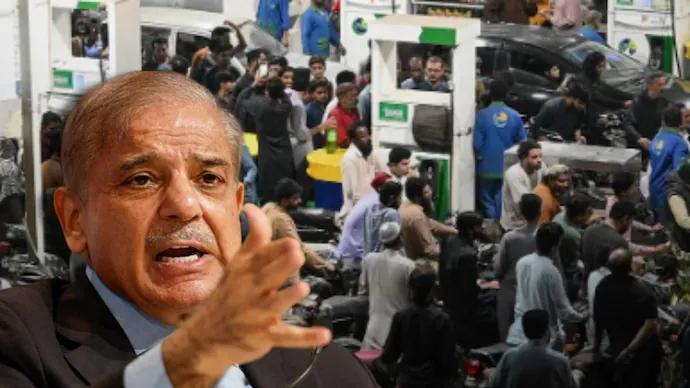
Pakistan has instituted early closures for markets, shopping malls, and bazaars as Prime Minister Muhammad Shehbaz Sharif convened an important meeting to address the escalating fuel crisis exacerbated by ongoing conflict in the Gulf. This announcement follows nearly a month after similar restrictions were imposed on schools and universities throughout the nation.

According to a statement issued by the Prime Minister’s Office, all markets in divisional headquarters in Khyber Pakhtunkhwa will be permitted to remain open until 9 pm, as a result of consultations with the provincial government. However, shops that sell essential daily items, along with departmental stores and all malls, will close by 8 pm.

In addition to these measures, various food establishments, including bakeries, restaurants, and tandoors, must wrap up operations by 10 pm. Commercial wedding venues, such as marriage halls and marquees, are also required to conclude their activities by the same hour. Notably, wedding events taking place in private residences will be prohibited after 10 pm, although medical stores and pharmacies will remain unaffected by these new restrictions.

Implementation Timeline and Ongoing Consultations

These guidelines will be enacted from April 7, reflecting an urgent requirement for the nation to navigate the challenges posed by the ongoing fuel crisis. During the press briefing, the Prime Minister noted that discussions regarding market hours continue within Sindh, indicating that further adjustments may be forthcoming based on those negotiations.

As part of the government’s response to the fuel crisis, the transfer of federal subsidies for petrol products is being managed through digital wallets, with approximately 100,000 transactions reportedly completed thus far. This initiative aims to streamline financial assistance for citizens adversely affected by fluctuating fuel prices.

Prime Minister Sharif expressed his appreciation to the Chief Ministers of Punjab, Khyber Pakhtunkhwa, Balochistan, Gilgit-Baltistan, and the Prime Minister of Azad Jammu and Kashmir for their cooperation in these pivotal discussions. He emphasised the importance of reaching consensus on national issues and anticipates that the Sindh Chief Minister will join in this collective decision-making process following thorough consultations.

Public Transport and Attendance at Meetings

In a bid to alleviate transportation burdens during this transitional period, the Prime Minister announced that intercity public transport in Gilgit and Muzaffarabad will be provided free of charge for a month, with the federal government assuming responsibility for any associated costs. This move is intended to support citizens as they adapt to the imminent changes in market operations.

The recent meeting also included high-profile government officials, such as Deputy Prime Minister and Foreign Minister Ishaq Dar and Federal Minister for Economic Affairs Ahad Khan Cheema, among others. Their presence underscores the urgency and seriousness with which the government is approaching the current fuel crisis and its resulting economic challenges.

As Pakistan strives to implement these measures in a coherent manner, the government is keen on keeping stakeholders informed and engaged, particularly as they navigate the complexities introduced by regional conflicts that impact the country’s resources.

Long or Short, get news the way you like. No ads. No redirections. Download Newspin and Stay Alert, The CSR Journal Mobile app, for fast, crisp, clean updates!

App Store –  https://apps.apple.com/in/app/newspin/id6746449540 

Google Play Store – https://play.google.com/store/apps/details?id=com.inventifweb.newspin&pcampaignid=web_share

Latest News

Popular Videos
