


app-store-logo
play-store-logo
March 8, 2026

Ozempic Patent Expiry May Bring Cheaper Diabetes, Obesity Drugs to India
The CSR Journal Magazine

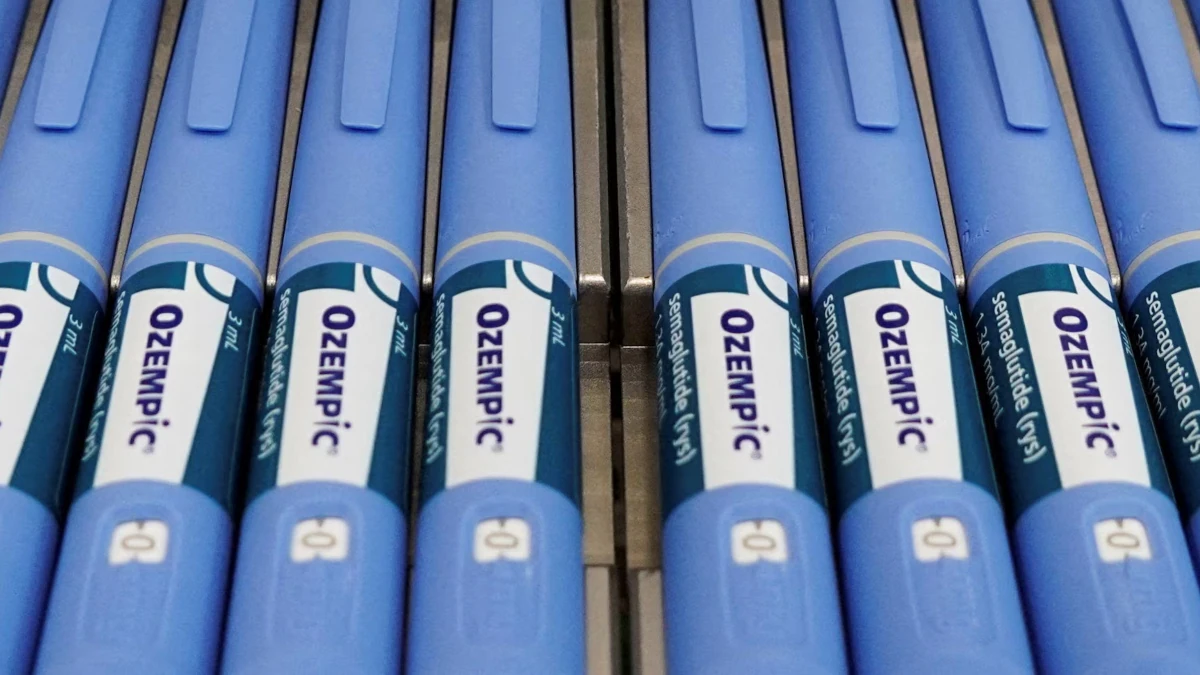
At diabetes clinics across India, discussions increasingly focus on expenses rather than dietary concerns or exercise regimes. The price of medications like Ozempic, known for their effectiveness, has often restrained many patients from pursuing these innovative treatments. While healthcare professionals emphasize the advantages of such therapies, financial limitations have led many to continue relying on older medications and lifestyle changes. However, this landscape may be on the brink of transformation. With the patent for semaglutide (Ozempic) set to expire on March 20, major Indian pharmaceutical companies including Sun Pharma, Zydus Lifesciences, Dr Reddy’s, and Natco Pharma are preparing to introduce more affordable versions of the once-costly injection. This shift could potentially make what was a premium option a commonplace prescription in India’s expanding diabetes and anti-obesity market.

Changing Treatment Dynamics

The potential introduction of generic versions of semaglutide may influence clinical practices. Historically, obesity and type 2 diabetes treatment in India heavily emphasized lifestyle changes, with medication as a supplementary support. Semaglutide gained global acclaim for its significant dual role in managing blood sugar levels and promoting weight loss. However, its high cost often relegated it to a last-resort option for many. As more affordable formulations become available, healthcare providers might reconsider the timing of prescribing such treatments. Patients who previously postponed medication may initiate treatment sooner, potentially leading to increased demand at weight management centers. This evolving dynamic alters the established balance between lifestyle approaches and pharmacological interventions.

Understanding Ozempic’s Mechanism

To comprehend the excitement surrounding semaglutide, it is crucial to examine its physiological effects. After eating, hormones known as incretins prompt the pancreas to produce insulin, aiding in sugar transportation from the bloodstream to cells. They also signal the liver to reduce sugar output while informing the brain about satiety. Ozempic enhances this natural process by mimicking glucagon-like peptide-1 (GLP-1), a hormone released post-meal. Many individuals with type 2 diabetes experience diminished responses to these signals. Semaglutide counteracts this by promoting insulin release when blood sugar rises, decreasing excess glucose production in the liver, and slowing gastric emptying. The result is improved blood glucose control and HbA1c levels alongside enhanced feelings of fullness, which can significantly benefit individuals facing obesity.

Expanding Access and Market Growth

The anticipated arrival of generics in the market could intensify competition, ultimately driving prices down. Currently, the weight-loss drug sector in India is dominated by high-cost brands that only a select few can afford. This exclusivity may soon change. Industry analysts estimate the existing weight-loss market to be around Rs 1,400 crore, with potential for doubling within a year if prices decrease. The demand for both medical and consumer applications of these treatments is evident. Concurrently, the broader anti-diabetic medication market has seen growth exceeding 15% recently, bolstered by the acceptance of newer, premium products. Experts note that the impending patent expiration will bring significant changes to market dynamics.

Exploring Behavioral Implications

The discussion surrounding GLP-1 medications like Ozempic transcends conversations about health. There is an emerging debate about body image, self-acceptance, and societal perceptions of health and beauty. As these treatments become more accessible, concerns arise regarding the implications for body positivity movements. If weight can be significantly reduced through medication, it might shift cultural attitudes toward larger body types. The accessibility of effective treatments could lead to reassessments of the urgency for acceptance of diverse body sizes.

Risks and Misuse

Originally designed for managing type 2 diabetes, these medications are increasingly being viewed as weight loss solutions. Many users report substantial results that traditional weight-loss methods seldom deliver. However, these medications should not replace lifestyle changes, with experts urging caution regarding potential misuse. Weight regain is common after discontinuation, and its potential side effects should not be overlooked. The medical community advocates for responsible use under professional guidance to maximize benefits and minimize risks associated with GLP-1 therapy.

Long or Short, get news the way you like. No ads. No redirections. Download Newspin and Stay Alert, The CSR Journal Mobile app, for fast, crisp, clean updates!

App Store –  https://apps.apple.com/in/app/newspin/id6746449540 

Google Play Store – https://play.google.com/store/apps/details?id=com.inventifweb.newspin&pcampaignid=web_share

Latest News

Popular Videos
