


Over 3,000 Government Schools in J&K Face Low Enrollment Crisis
The CSR Journal Magazine

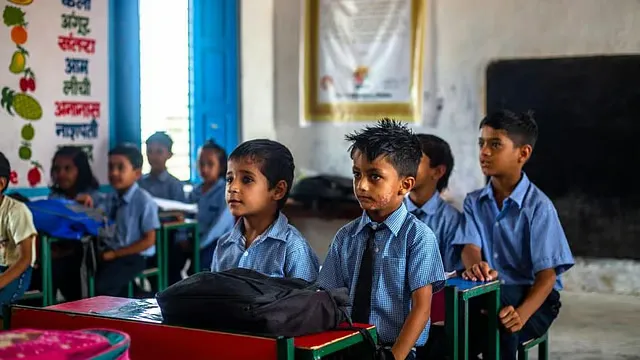
During a session in the assembly on Saturday, J&K Education Minister Sakina Itoo disclosed that more than 3,000 government schools in Jammu and Kashmir have reported either zero enrollment or fewer than ten students since the year 2022. A total of 3,192 schools fall into this category, with 1,494 located in the Jammu division and 1,698 in the Kashmir region. This information was provided in a written reply to a question posed by BJP legislator RS Pathania.

Kathua and Baramulla Districts Lead in Low Enrollment

Among the districts, Kathua in Jammu has the highest concentration of such schools, totaling 508. In contrast, Baramulla district in Kashmir has the largest number at 396. The city of Srinagar reports the lowest figure in the valley, with 90 schools recording low student numbers, while Poonch has the lowest in the Jammu division at 17.

Serious Infrastructure Deficiencies Identified

The National Conference government also highlighted significant shortcomings in school infrastructure across the region. According to the education minister, an alarming 2,698 schools lack facilities for boys’ restrooms, while 57 schools do not provide toilets for girls. Additionally, 9,078 schools are without boundary walls and 10,896 lack playgrounds, raising concerns about the overall environment for students.

Concerns Raised by Legislators

Legislator RS Pathania expressed that the statistics present a stark “big expose,” attributing the low enrollment figures to a decline in public confidence in government schools. He questioned the rationale behind maintaining schools with such low attendance and suggested they primarily exist to justify the presence of teaching staff. Naeem Akhtar, a former education minister from the People’s Democratic Party (PDP), described the situation as “serious,” criticizing the current government for mismanaging educational priorities. He asserted that the government’s duty is to foster human development, arguing that the crippling data reflects a dire need for improvements in educational facilities and teaching quality.

Perspective from Private School Associations

In light of these developments, Baba Nazrul Islam, president of the Private Schools Association of Jammu and Kashmir, acknowledged that the data illustrates a trend where families prefer private education due to superior infrastructure and accountability. He cautioned against treating private schools merely as competitors, proposing instead that the government should see them as “knowledge partners.” Islam stressed that collaboration could pave the way for addressing the existing challenges in the public education system effectively.

Long or Short, get news the way you like. No ads. No redirections. Download Newspin and Stay Alert, The CSR Journal Mobile app, for fast, crisp, clean updates!

App Store –  https://apps.apple.com/in/app/newspin/id6746449540 

Google Play Store – https://play.google.com/store/apps/details?id=com.inventifweb.newspin&pcampaignid=web_share

Latest News

Popular Videos
