


Oklahoma Bill Proposes Human Composting Amidst Controversy
The CSR Journal Magazine

Recent comments from Oklahoma State Representative Jim Shaw have incited significant online debate regarding a proposed bill that seeks to legalize Natural Organic Reduction (NOR), commonly referred to as human composting. This method involves utilizing deceased human bodies to enrich soil for agricultural purposes. Shaw announced that the House has made progress on bill HB3660, which, if passed, would allow Oklahoma to join the 14 states that have already authorized this process.

Shaw criticized the initiative, labeling it a “disgusting step forward” while expressing his frustration that the state is moving toward legalizing what he believes should be prohibited. The proposal would not only permit the composting of human remains but would also add them to existing practices that have seen biosolids used as fertilizer for decades.

Online Reaction and Public Discourse

The online response to Shaw’s announcement has been largely negative, with many social media users echoing his concerns. Some users have mocked the state government, comparing the situation to a comedy sketch. Others have expressed their incredulity at the idea of human remains being used as fertilizer, proclaiming that it is absurd and urging lawmakers to abandon the bill. This controversy raises ethical questions about the treatment of human bodies and the concept of sustainable death care.

Human composting is currently permissible in 14 states across the U.S., including California, New York, and Oregon. The funeral industry in the United States operates on a scale of approximately $20 billion annually. A significant portion of the population, nearly half of those surveyed, express concerns over the rising costs associated with traditional funeral services and burial options.

Understanding Natural Organic Reduction

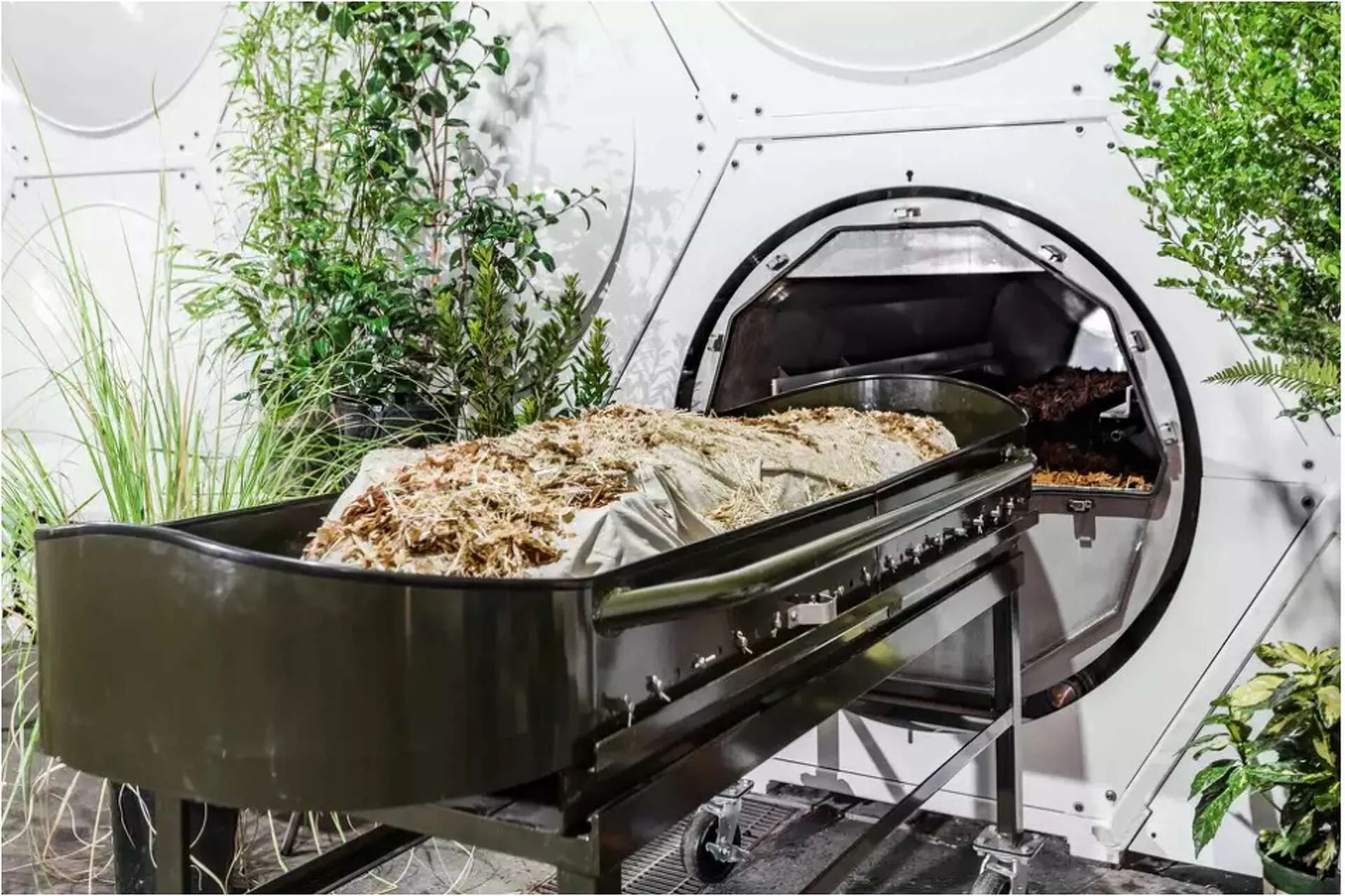
The NOR process was first legalized in Washington state in 2019 and has since gained traction as an environmentally friendly alternative to conventional burial and cremation methods. The procedure, developed by companies like Recompose, involves placing the body in a specially designed vessel with organic materials such as wood chips and straw. Over a span of 30 to 60 days, factors like oxygen and microbial activity break down the body, yielding approximately one cubic yard of nutrient-rich soil.

The typical cost of this process is around $7,000, which is generally less expensive than traditional funeral arrangements. A funeral home in Utah offers this service, allowing families to bring the resulting soil back home. However, a recent bill aimed at legalizing the practice in Utah is still pending approval.

Criticism of the Proposed Bill

Despite its increasing acceptance, the proposal has faced criticism from individuals who feel it diminishes the sanctity of human life. Critics argue that reducing a body to a resource for farming shifts the perception of death and memorialization. During a public hearing, a funeral director voiced concerns regarding the bill’s failure to address the safe management of the soil produced from the process. The philosophical implications of viewing the deceased as mere agricultural inputs are unsettling for many.

The discussion around human composting can evoke reflections on societal values and treatment of the deceased. Comparisons have been made to dystopian narratives that depict humans as mere resources, raising deeper considerations about the dignity afforded to departed individuals. As legislative discussions continue, the balance between innovation in death care and respect for human life remains a focal point of the ongoing conversation.

Long or Short, get news the way you like. No ads. No redirections. Download Newspin and Stay Alert, The CSR Journal Mobile app, for fast, crisp, clean updates!

App Store –  https://apps.apple.com/in/app/newspin/id6746449540 

Google Play Store – https://play.google.com/store/apps/details?id=com.inventifweb.newspin&pcampaignid=web_share

Latest News

Popular Videos
