


NMC Introduces Firm Rules for Social Media Usage by Doctors and Hospitals
The CSR Journal Magazine

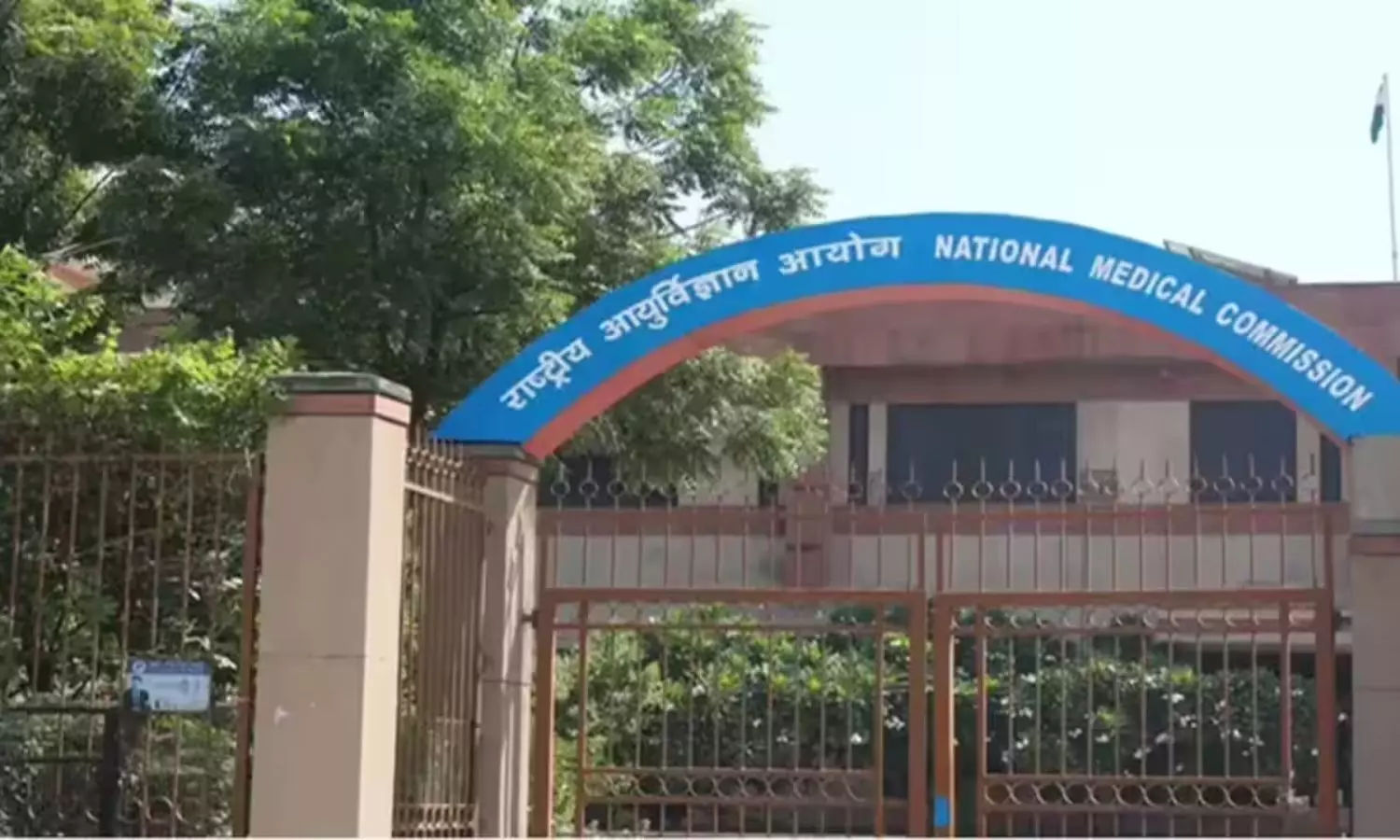
The National Medical Commission (NMC) has announced new regulations that significantly restrict how doctors and hospitals may utilise social media for patient engagement and marketing. These guidelines, released on October 6, come into effect immediately and encompass various platforms like Instagram, YouTube, and others. The NMC aims to distinguish between public health communication and commercial promotion within the medical sector.

Under the updated framework, advertising is defined broadly to include interactions on websites, social media, messaging platforms, podcasts, influencer-driven campaigns, sponsored posts, and AI-generated promotional content. The NMC has made it clear that claims of superiority regarding treatment, facilities, or expertise cannot be made unless backed by evidence, and misleading promises of guaranteed outcomes or encouragement toward unnecessary medical procedures are strictly prohibited.

Restrictions on Patient Testimonials and Reviews

One significant alteration in the regulations is the outright ban on doctors soliciting or sharing patient testimonials and reviews for promotional purposes. Specifically, the NMC prohibits both the procurement and manipulation of paid or misleading ratings. This change is particularly impactful for healthcare providers who previously leveraged patient feedback and success stories prominently on social media platforms to enhance their visibility and attract new patients.

In addition to patient testimonials, the new guidelines place stringent controls on the use of patient images and clinical content. While patient consent is necessary for any such materials, it does not legitimise the sharing of prohibited promotional practices. The guidelines outline that before-and-after images, recovery stories, and any promotional narratives cannot be utilized simply based on patient agreement.

Moreover, the rules stipulate that healthcare providers remain accountable for any promotions conducted via third parties, including advertising agencies or influencers. Engaging these services does not absolve healthcare providers of responsibility in cases where content has been authorised or permitted.

Monitoring AI-Generated Promotional Content

The NMC has also included AI-generated and AI-assisted promotional content within its advertising framework, highlighting a growing trend in the healthcare sector. As more healthcare marketing relies on AI technologies—such as videos, scripts, and image creation—the NMC’s regulations ensure that any promotional character of such content remains under scrutiny.

Despite the restrictions, the NMC allows for the use of social media for educational purposes. Doctors may share factual health education materials, public health initiatives, and academic discussions, as long as these do not serve as disguised advertisements or solicitations for patients. When publishing content, doctors are required to disclose their identity, qualifications, registration status, and registration numbers, enhancing transparency.

Additionally, hospitals are mandated to provide relevant information regarding the doctors associated with any posts they make. The new regulations build on the NMC’s prior stance, reiterating that healthcare professionals should not resort to social media for patient solicitation, nor should they seek to enhance their profiles through paid services such as purchasing likes or followers.

Long or Short, get news the way you like. No ads. No redirections. Download Newspin and Stay Alert, The CSR Journal Mobile app, for fast, crisp, clean updates!

App Store –  https://apps.apple.com/in/app/newspin/id6746449540 

Google Play Store – https://play.google.com/store/apps/details?id=com.inventifweb.newspin&pcampaignid=web_share

Latest News

Popular Videos
