


app-store-logo
play-store-logo
February 3, 2026

Nipah Virus Outbreak in India Triggers Asia-Wide Vigil: Why This Time Feels Different
The CSR Journal Magazine

A Virus That Never Really Left

For many in India, the name Nipah brings back uneasy memories—sealed homes, anxious hospital corridors, and communities holding their breath. So when reports of a fresh Nipah virus outbreak surfaced again, it didn’t feel like a sudden shock. It felt like a quiet but familiar warning knocking once more.

Unlike fast-spreading respiratory viruses, Nipah doesn’t usually explode into massive outbreaks. But what makes it frightening is its severity. When Nipah appears, it tends to hit hard and fast, with little room for complacency. This time, the concern has travelled beyond India’s borders, prompting health authorities across Asia to step up surveillance and preparedness.

What Makes Nipah So Dangerous

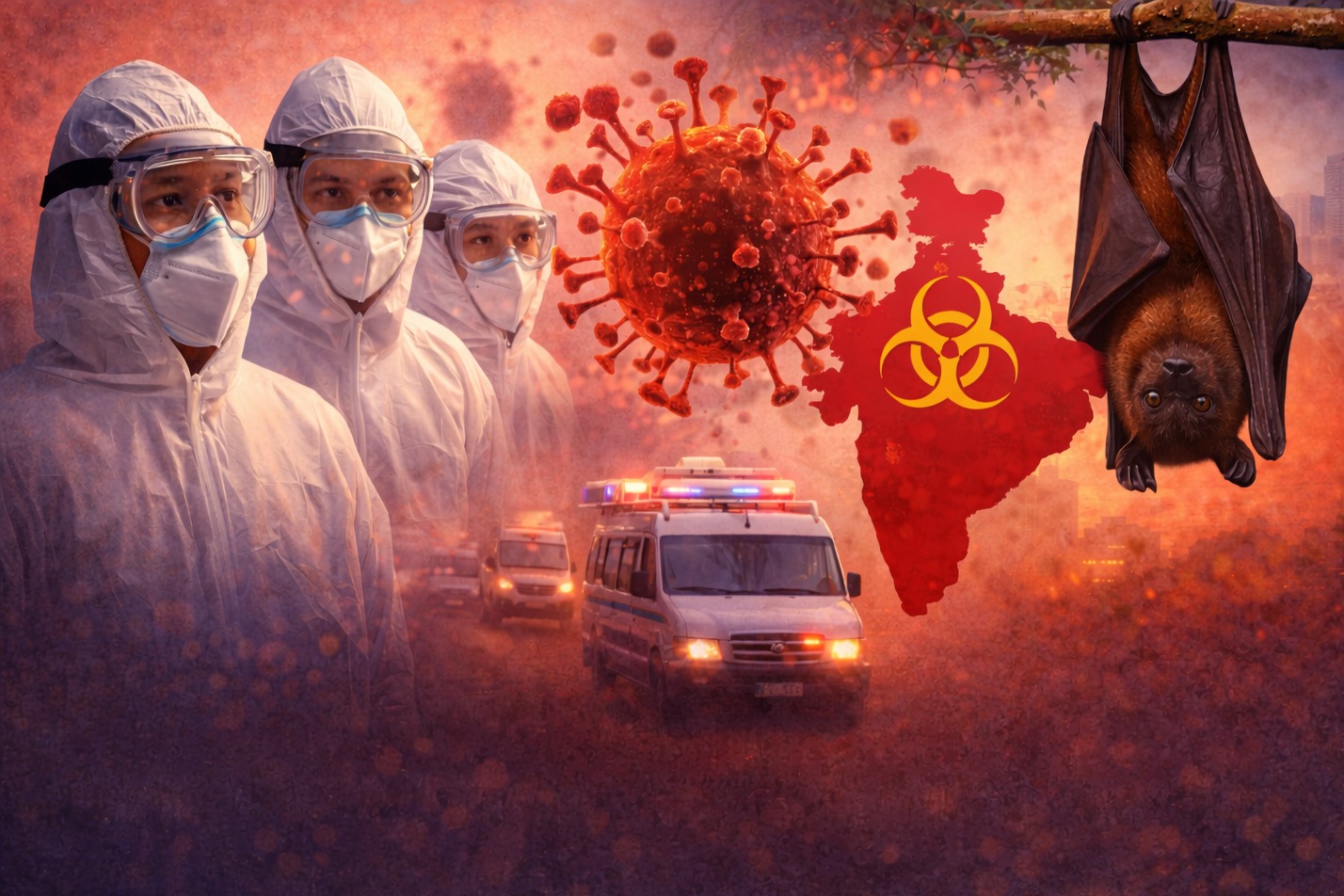
Nipah virus is a zoonotic infection—one that jumps from animals to humans. Its natural carriers are fruit bats, commonly found across South and Southeast Asia. The virus can spread through contaminated food, close contact with infected animals, or from one person to another, especially in caregiving or hospital settings.

Early symptoms often resemble the flu: fever, headache, fatigue. But in many cases, the illness progresses rapidly, attacking the brain and lungs. Encephalitis, seizures, breathing difficulties, and coma can follow within days. With no proven cure or vaccine yet available, doctors can only manage symptoms and support the body as it fights the infection.

This uncertainty is what keeps health experts on edge. Even a small cluster of cases can strain local healthcare systems and trigger widespread fear.

Why This Outbreak Has Set Off Regional Alarms

What has made this outbreak particularly unsettling is not just the virus itself, but the environment in which it is unfolding. Asia today is more connected than ever. Flights, trade routes, and migrant movement mean that diseases can cross borders far quicker than they once did.

Countries in the region have responded swiftly—tightening airport screenings, issuing hospital advisories, and reviewing emergency protocols. The goal is simple: spot cases early and prevent silent spread.

Nipah’s high fatality rate, which has reached over 70% in some past outbreaks, leaves little margin for error. Even the possibility of limited human-to-human transmission is enough to warrant maximum caution.

Lessons India Has Learned the Hard Way

India’s response today is shaped by hard-earned experience. Previous outbreaks, particularly in Kerala, exposed weaknesses—but also forced rapid improvements. Health workers now act faster, contact tracing is more aggressive, and public messaging is clearer and more transparent.

These measures have saved lives. Containment, rather than panic, has become the priority. Yet experts agree that emergency responses alone are not enough. Each outbreak reveals deeper issues—gaps in rural healthcare, limited wildlife monitoring, and communities that are still unaware of how the virus spreads.

When Nature and Humans Collide

Nipah is often described as a “spillover virus,” but that spillover rarely happens by accident. Deforestation, shrinking wildlife habitats, and expanding human settlements push bats closer to farms, homes, and markets. Fruits partially eaten by bats, or raw palm sap collected in open containers, have been linked to past infections.

In many ways, Nipah reflects a larger problem: the cost of ignoring the fragile balance between humans and nature. Scientists increasingly stress a “One Health” approach—treating human health, animal health, and environmental health as inseparable.

Why Asia Is Watching Closely

The Asia-wide alert is not about panic—it’s about prevention. Governments and health agencies know that transparency and cooperation are crucial. Sharing data, tracking mutations, and coordinating research could prevent local outbreaks from becoming regional crises.

Global health experts have long warned that Nipah has the potential to become more dangerous if it mutates. That possibility, however distant, is enough to keep it high on the list of priority pathogens.

Staying Alert Without Giving in to Fear

For the public, simple precautions matter. Avoiding fallen or partially eaten fruits, practicing hygiene, and reporting symptoms early can make a real difference. Equally important is resisting misinformation and fear-driven stigma.

The current outbreak is a reminder—not of impending disaster, but of shared responsibility. Nipah may be rare, but it is relentless. How India and its neighbors respond today could determine whether it remains a contained threat—or a lesson the world wishes it had taken more seriously.

Long or Short, get news the way you like. No ads. No redirections. Download Newspin and Stay Alert, The CSR Journal Mobile app, for fast, crisp, clean updates!

Latest News

Popular Videos
