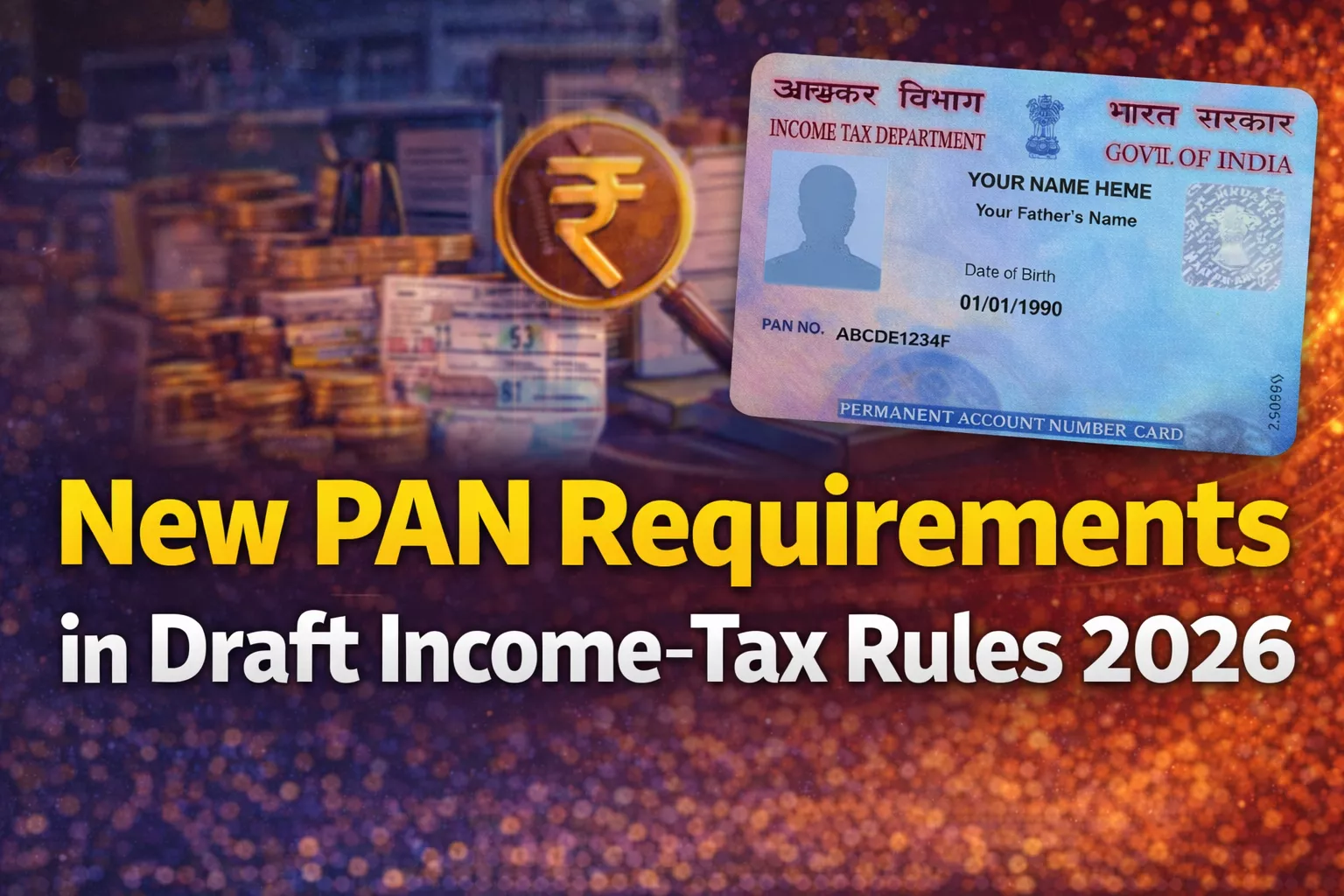
The government has released a draft of income tax rules that outlines proposed changes to the usage of the Permanent Account Number (PAN) beginning April 1. These modifications aim to expand the scope of transactions that will require individuals to provide their PAN, impacting everyday financial activities across various sectors.
Implications on Daily Financial Transactions
Under the new rules, individuals will need to furnish their PAN for a range of financial transactions. These include but are not limited to cash withdrawals and deposits in bank accounts, the purchase of vehicles, real estate transactions, and settling hotel bills. The intention behind these changes is to enhance transparency and accountability in financial dealings, thereby curbing tax evasion and promoting a more compliant taxpayer base.
Specific Transactions Requiring PAN
Individuals engaging in cash transactions exceeding a specified threshold will be mandated to submit their PAN. This includes withdrawing or depositing substantial cash amounts within their banking institutions. Furthermore, significant purchases such as cars, motorcycles, and property will also necessitate the disclosure of PAN details, reinforcing the connection between high-value transactions and tax obligations.
Rationale Behind the Change
The introduction of these new requirements stems from a broader government initiative aimed at increasing tax compliance among the Indian populace. By introducing stricter regulations regarding PAN usage, officials aim to mitigate the risks associated with unreported income and illicit financial activities, promoting a more fortified economic framework.
Overview of the Draft Rules
The draft rules specify that compliance with PAN regulations is crucial for a variety of transactions that typically involve larger sums of money. It emphasizes the need for taxpayers to be mindful of the updated regulatory landscape. The measures reflect a shift towards a more integrated and transparent financial system, ensuring that all economic activities are documented and reported appropriately.
Potential Areas of Concern for Taxpayers
Taxpayers may need to adapt to these changes as they could involve additional administrative responsibilities. Ensuring that PAN is readily available for all designated transactions may require individuals to keep track of their financial documents meticulously. This shift may also create an educational requirement, as taxpayers need to be informed about the new thresholds and specific transactional obligations to remain compliant.
Conclusion of the Draft Regulation Process
As these draft rules are set to be implemented in the upcoming fiscal year, stakeholders in various sectors are expected to provide their feedback on the changes. The process of finalizing these regulations will likely include consultations with financial experts and community representatives to ensure that the law is both effective and reasonable for the general public. This initiative illustrates the government’s commitment to maintaining an efficient tax system while encouraging citizens to fulfill their tax responsibilities diligently.