


Nepal Floods Damage Hydropower Projects, Alternative Power Supplies Deployed
The CSR Journal Magazine

Nepalese authorities have mobilised alternative power supplies for regions affected by recent floods that severely damaged hydropower projects and interrupted electricity access across the nation. This response came following Wednesday’s flash floods, which resulted in significant devastation in several districts and left hundreds unaccounted for.

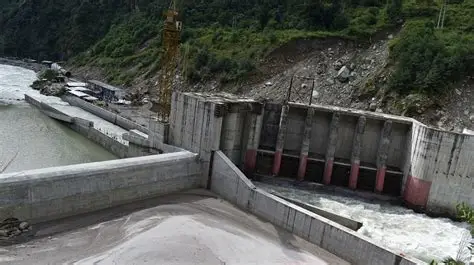
In particular, the floods on the Bhotekoshi River, located near the border with Tibet, caused extensive impact across Rasuwa, Nuwakot, and Dhading. Reports indicate that twelve hydropower projects were significantly affected, halting the generation of 431.1 megawatts of electricity. Importantly, 177 individuals and over 826 others, including a sizable group of more than 300 Indian tourists, are currently reported missing.

The Ministry of Energy and Water Resources has coordinated efforts to send 500 solar power banks to the regions hardest hit by the flooding. According to the secretary of Energy Minister Biraj Bhakta Shrestha, these measures took place on Thursday, with an additional 300 solar power banks being distributed through the National Disaster Risk Reduction and Management Authority to assist those in need. The swift action aims to provide essential services, such as lighting and mobile phone charging capabilities, amid ongoing disruptions.

Efforts Underway to Restore Electricity

Efforts to restore electricity in the affected areas are ongoing, although immediate solutions have proven challenging. Sanjeev Maharjan, an aide to the energy minister, noted that a substation in Rasuwa was completely washed away, making the restoration of electricity in the region complex. He confirmed that while 300 power banks have been dispatched, an additional 200 units are en route to further aid the local population.

Meanwhile, the Nepal Electricity Authority has reportedly been making progress in restoring electricity in various locales within Nuwakot through alternative transmission lines. NEA spokesperson Rajan Dhakal indicated that electricity supply was being restored via an alternative line from Sindhupalchok. Preparations continue to bring additional power lines online following necessary technical assessments, with the aim of resuming electricity service by the evening.

More broadly, emergency responders are working diligently to locate the many individuals reported missing after the floods. This natural disaster ranks amongst the most severe to impact Nepal in recent years. The urgency of recovery operations remains paramount as local officials actively search for survivors and assess damage across the affected areas.

Cross-Border Impact and Search Operations

The disastrous flooding not only affected Nepal but also had repercussions in the Tibet Autonomous Region of China. Reports from state-run Chinese media indicated that three individuals lost their lives, while as many as 588 others are unaccounted for. This cross-border crisis has led to coordinated search efforts on both sides of the border, reflecting the serious nature of the flooding and its wide-ranging effects.

In summary, the flooding has severely compromised power infrastructure, resulting in significant operational challenges for local authorities. As search and rescue operations continue in the aftermath of this natural disaster, both Nepal and China are grappling with the impacts on their respective communities as they navigate this crisis.

With extensive damage already reported, officials are focusing on immediate relief measures while also planning for the long-term rebuilding of essential services in the wake of these calamities.

Long or Short, get news the way you like. No ads. No redirections. Download Newspin and Stay Alert, The CSR Journal Mobile app, for fast, crisp, clean updates!

App Store –  https://apps.apple.com/in/app/newspin/id6746449540 

Google Play Store – https://play.google.com/store/apps/details?id=com.inventifweb.newspin&pcampaignid=web_share

Latest News

Popular Videos
