


Nepal Flood Search Operations Continue as 6,000 Remain Missing
The CSR Journal Magazine

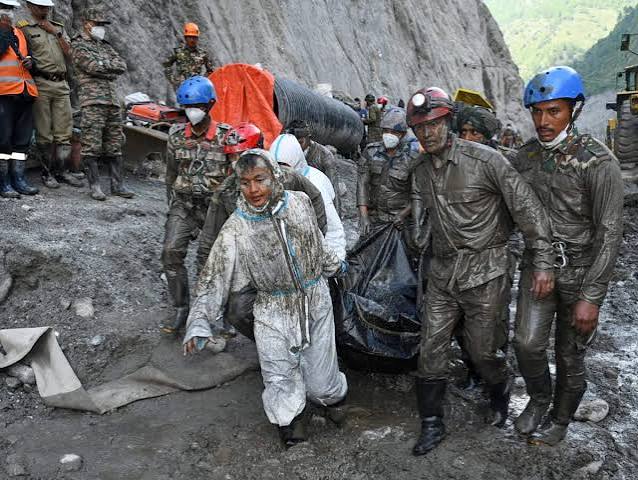
Search operations are still being conducted in Nepal, as authorities attempt to account for approximately 6,000 individuals who have been reported missing nearly four weeks after catastrophic flash floods resulted in over 1,400 fatalities. The flooding, which originated near the Nepal-Tibet border on August 26, significantly impacted towns and villages across northern and central Nepal.

The situation has extended beyond Nepal, with reports indicating that neighbouring China also experienced the disaster. Chinese media have stated that 43 individuals lost their lives in the floods, while an additional 500 are reportedly unaccounted for. The ramifications of this natural disaster are widespread, prompting an extensive search and recovery effort across both nations.

In Nepal, the ongoing recovery efforts have been complicated by extensive damage to essential infrastructure, such as roads and bridges, as well as hydropower projects. Rescuers are facing the arduous task of identifying the numerous bodies that have been retrieved from the flood debris and waters.

Infrastructure Damage and Recovery Initiatives

The Bhotekoshi River, which flows from the Himalayan border region, was instrumental in transporting floodwaters downstream, devastating countless homes, vehicles, and infrastructure. The destruction of roads and bridges poses significant challenges in the affected areas of Rasuwa and surrounding districts, where search operations are currently concentrated.

At the Upper Trishuli-1 hydropower project in Rasuwa, rescuers have reported the recovery of 17 bodies from a tunnel where they were allegedly trapped in reinforcement mesh and buried under debris. The Nepal Army has stated that rescuers had to employ grinders, gas cutters, and rotary equipment in order to reach these bodies.

According to a field commander from the Nepal Army, removing debris from certain affected tunnels may require three to four months due to the sheer volume and condition of the material present. The extensive damage has amplified the difficulty of conducting effective search operations.

Challenges in Identifying Victims

The identification of the deceased has emerged as a significant issue in the aftermath of the floods. Authorities have indicated that only around 110 of the recovered bodies have been positively identified and returned to their families. Many bodies that were swept away by the floods are unrecognisable and have been found severely damaged or decomposed.

Officials have highlighted that identifying victims via facial recognition, clothing, or personal belongings has proven to be a daunting task. Forensic experts have indicated that DNA testing has become essential for accurate identification. However, the process is laborious, as it necessitates samples from the remains and close biological relatives for comparison purposes.

To date, nearly 1,300 bodies have been temporarily interred after DNA samples were collected, which underscores the extensive scale of the disaster and the significant challenges facing the response efforts. As search operations continue, the situation remains critical, with many families anxiously awaiting news of their loved ones.

Long or Short, get news the way you like. No ads. No redirections. Download Newspin and Stay Alert, The CSR Journal Mobile app, for fast, crisp, clean updates!

App Store –  https://apps.apple.com/in/app/newspin/id6746449540 

Google Play Store – https://play.google.com/store/apps/details?id=com.inventifweb.newspin&pcampaignid=web_share

Latest News

Popular Videos
