


app-store-logo
play-store-logo
March 3, 2026

National Medical Commission Flags Prescription Caution Amid Surge in Sports Doping Cases
The CSR Journal Magazine

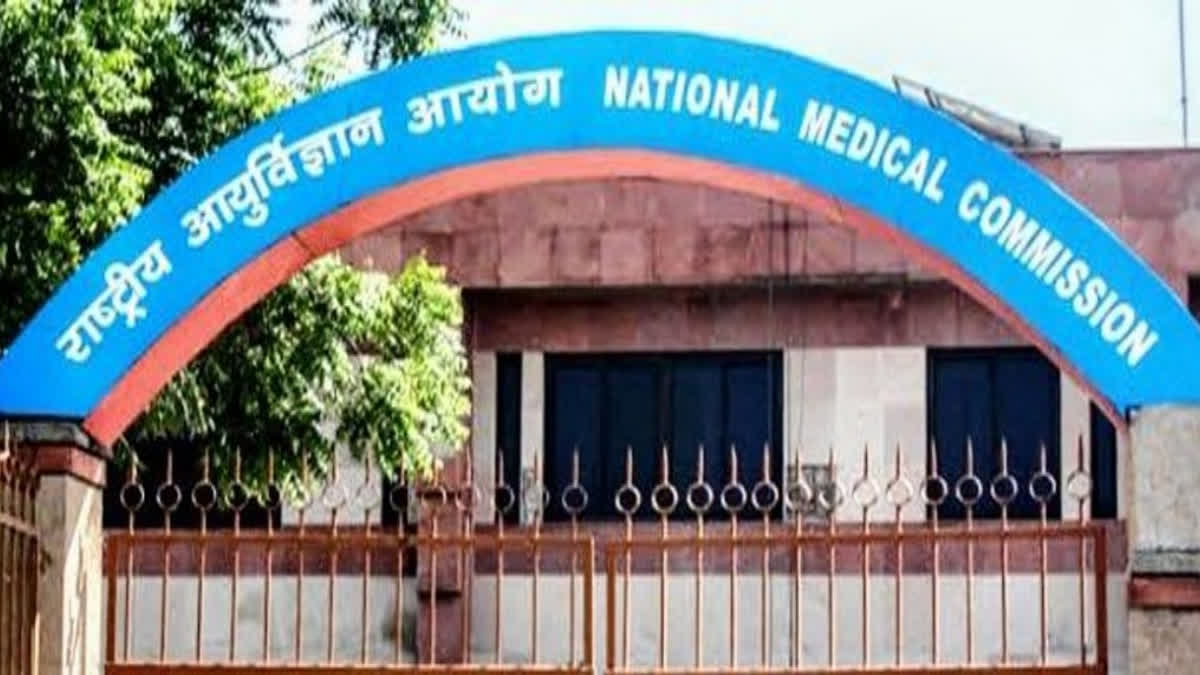
In response to an alarming increase in doping cases across various sports disciplines, the National Medical Commission (NMC) has issued a directive urging medical professionals to exercise caution when prescribing treatments to athletes. The caution arises from concerns that prohibited substances may be inadvertently introduced into sports via contaminated supplements, unintentional consumption, or routine medical prescriptions, rather than solely through intentional doping.

Guidelines Issued for Doctors and Medical Institutions

The NMC’s advisory, which follows a communication from the Ministry of Youth Affairs and Sports regarding the surge in doping violations, emphasizes the need for medical practitioners to familiarize themselves with the World Anti-Doping Agency’s (WADA) list of prohibited substances. The NMC has recommended that medications containing banned ingredients be prescribed only when absolutely necessary and with proper documentation. Furthermore, medical colleges and hospitals are urged to enhance awareness of anti-doping regulations among faculty and healthcare providers who treat athletes.

Education Initiatives for Medical Professionals

To reinforce responsible prescribing practices, the NMC has proposed integrating fundamental anti-doping education into medical curricula and ongoing professional development initiatives, where possible. These steps aim to ensure that current and aspiring healthcare providers are equipped with essential knowledge to prevent inadvertent doping among athletes.

Recent Cases Highlight Urgency

The renewed focus on anti-doping measures comes after a notable rise in positive drug tests this year. In 2025, the National Anti-Doping Agency provisionally suspended seven Indian athletes due to doping violations. A case involving Uttarakhand cricketer Rajan Kumar surfaced on January 5, when he tested positive for three banned substances. Reports have also indicated that numerous stadium washrooms at various national and state competitions have been discovered littered with used syringes, underscoring concerns about systematic abuse of performance-enhancing drugs.

Warnings About Unintentional Doping

The Ministry of Youth Affairs and Sports has highlighted that many doping incidents are not intentional. Instances exist where athletes unknowingly consume mislabeled or tainted supplements, or inadvertently take prescription medications that contravene global anti-doping standards. A sports medicine expert pointed out that many general practitioners may not be aware of frequent updates to the WADA list, which can result in non-compliance. For instance, routine medications such as certain painkillers, steroids, or cough syrups can trigger positive drug test results for athletes.

Collaboration Between Medical and Regulatory Bodies

Officials have raised alarms regarding imported supplements and online products potentially containing banned substances. The Ministry has called for enhanced coordination with regulatory bodies, including the Central Drugs Standard Control Organisation and the Food Safety and Standards Authority of India, to improve oversight and consumer protection. The initiative underscores a broader commitment to combat doping, acknowledging that the responsibility extends beyond athletes to encompass doctors, pharmacists, supplement vendors, and regulatory entities—all pivotal in promoting clean sports.

Long or Short, get news the way you like. No ads. No redirections. Download Newspin and Stay Alert, The CSR Journal Mobile app, for fast, crisp, clean updates!

App Store –  https://apps.apple.com/in/app/newspin/id6746449540 

Google Play Store – https://play.google.com/store/apps/details?id=com.inventifweb.newspin&pcampaignid=web_share

Latest News

Popular Videos
