


NASA’s Artemis II to Focus on Visual Observation for Lunar Exploration
The CSR Journal Magazine

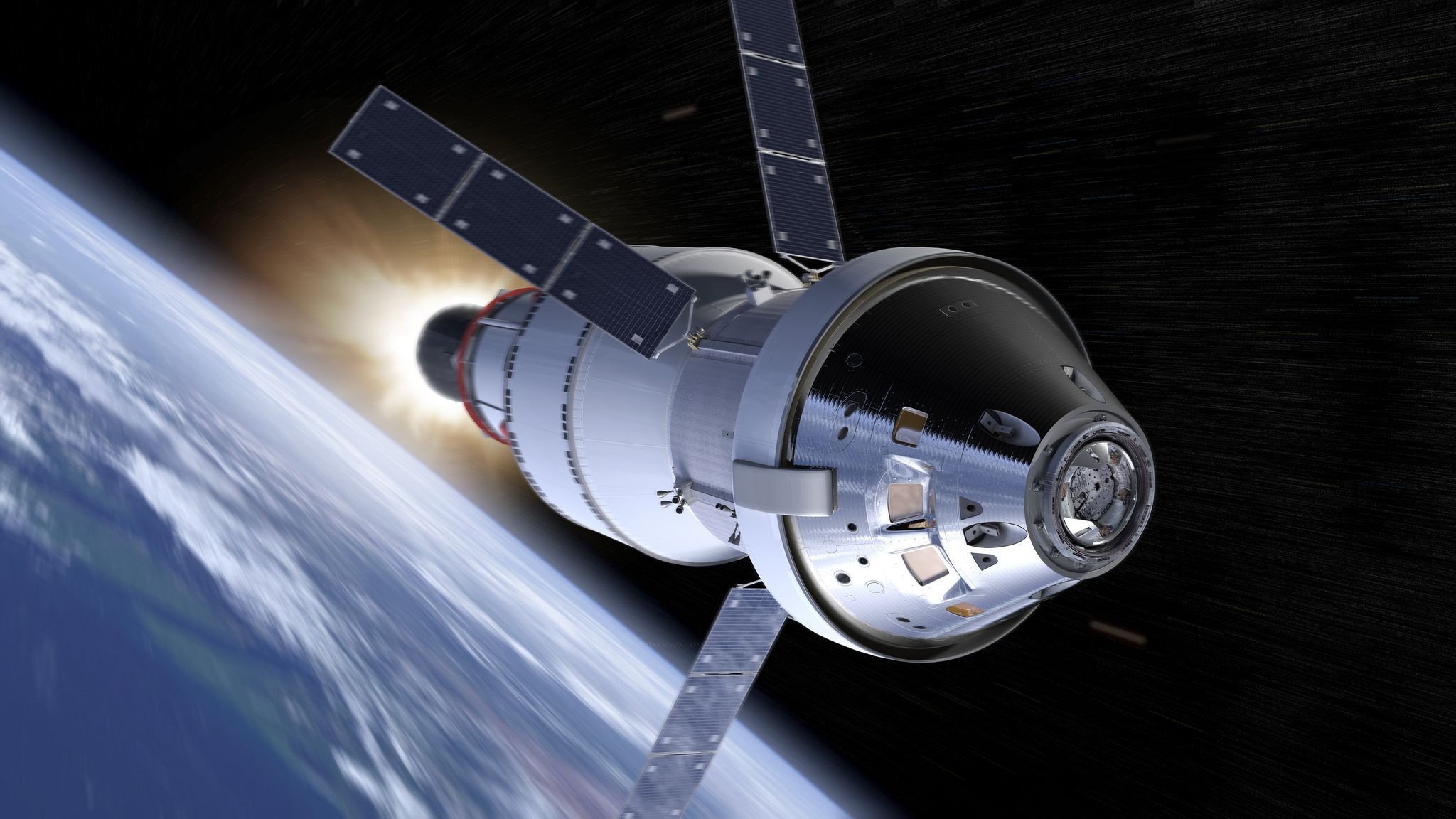
The Artemis II mission is a significant step in NASA’s lunar exploration program, aiming to send astronauts to orbit the Moon. Scheduled for 2024, the mission will serve as a precursor to future lunar landings and the establishment of a sustained human presence on the Moon. During this mission, crew members will conduct a variety of experiments while observing the lunar surface from a distance, showcasing the importance of human visual perception in scientific exploration.

Innovative Ethos in Visual Observation

The crew of Artemis II has described their unique approach to studying the Moon as relying heavily on their own eyes, which they consider “the best camera to ever exist.” Astronauts will take advantage of their observational skills to identify geological features, impact craters, and possible future landing sites. This emphasis on direct visual assessment underscores the complementary role that human observation plays alongside advanced imaging technologies in space exploration.

Scientific Objectives During the Mission

The mission has outlined key scientific objectives aimed at enhancing our understanding of the Moon. These include observing lunar geological formations, monitoring the environment, and assessing the surface for potential resources. The astronauts will use a combination of real-time visual assessment and data collection to gather information that could inform future missions beyond lunar orbit, particularly exploratory initiatives on Mars.

Technological Framework Supporting the Mission

The Artemis II mission will be equipped with various state-of-the-art technologies designed to support the astronauts’ objectives. Among these are advanced imaging tools that will supplement the crew’s visual observations. While detailed photography will still play an essential role, the astronauts’ ability to interpret their surroundings with their own eyes will be prioritized to gain immediate insights that high-tech equipment cannot always capture in real time.

Implications for Future Lunar Missions

The insights gained from the Artemis II mission are expected to significantly impact future lunar exploration efforts. By understanding the Moon’s surface characteristics through direct observation, NASA aims to lay the groundwork for sustainable human exploration. This approach not only aids in the selection of landing sites for upcoming missions but also reinforces the importance of human intuition in decision-making processes in space.

Training and Preparation of Astronauts

To prepare for their pivotal roles, the Artemis II crew has undergone extensive training that emphasizes visual perception and situational awareness in a space environment. Through simulations and field exercises, astronauts have honed their skills in identifying key features and changes in the lunar landscape. This preparation is critical, as the crew will have limited time to take in visual information during their mission, making swift and accurate observations essential for success.

Future of Human Space Exploration

The Artemis II mission is seen as a key milestone not only for lunar investigations but also for the broader vision of human space exploration. With Artemis, NASA aims to return humans to the Moon, focusing on exploring unexplored territories and conducting research that can propel further missions to Mars. The blend of human expertise with advanced technologies is expected to enhance the capabilities of space missions in profound ways as humanity continues its journey beyond terrestrial boundaries.

Long or Short, get news the way you like. No ads. No redirections. Download Newspin and Stay Alert, The CSR Journal Mobile app, for fast, crisp, clean updates!

App Store –  https://apps.apple.com/in/app/newspin/id6746449540 

Google Play Store – https://play.google.com/store/apps/details?id=com.inventifweb.newspin&pcampaignid=web_share

Latest News

Popular Videos
