


app-store-logo
play-store-logo
March 2, 2026

Military Actions in Iran: President Trump Avoids War Declaration
The CSR Journal Magazine

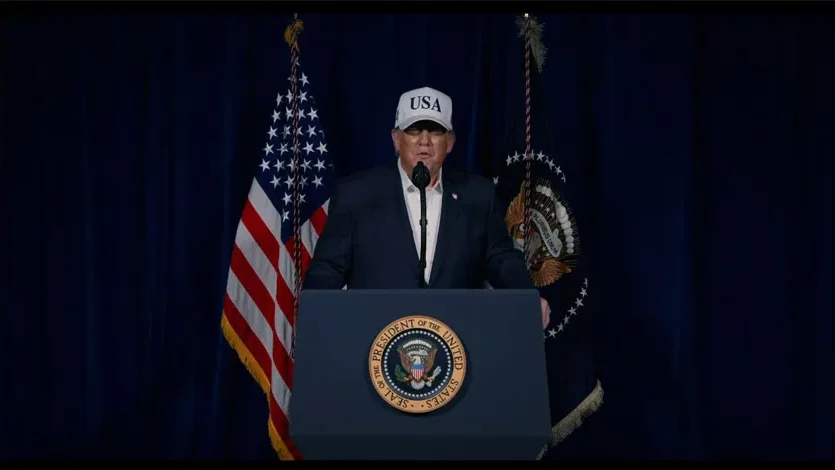
On February 28, President Donald Trump announced the initiation of what he termed “major combat operations in Iran,” citing the protection of American citizens from imminent threats posed by the Iranian government. These operations have since led to significant casualties, including the death of Iranian Supreme Leader Ayatollah Ali Khamenei. The conflict has escalated beyond Iran’s borders, affecting nations such as Saudi Arabia, the UAE, and Qatar. This situation raises critical questions regarding the terminology surrounding these military actions—specifically, why President Trump refrains from labeling it a “war.” Additionally, there is an ongoing debate regarding the legality of these operations under U.S. law.

Constitutional Powers of War Declaration

The authority to declare war is constitutionally vested in the U.S. Congress, as outlined in Article 1 of the Constitution. This article grants Congress the exclusive right to declare war, raise armies, and maintain a navy. Conversely, Article 2 empowers the President as Commander-in-Chief to engage in military actions aimed at ensuring national security without an official war declaration. This dual authority creates a complex dynamic when it comes to military engagements, often leaving room for interpretation regarding what constitutes an act of war versus justified military operations.

Presidential Military Actions and Congressional Oversight

The last official declaration of war by the United States occurred in 1942 during World War II, when President Franklin D. Roosevelt declared war on the Axis powers. Since then, U.S. military engagements—including those in Korea and Afghanistan—have been categorized not as formal wars, but rather as military operations authorized by the President and later ratified through various congressional bills and resolutions. One significant resolution passed post-9/11 was the Authorization for Use of Military Force, which allowed military interventions in Iraq and Afghanistan without formal war declarations.

Congressional Briefings and War Powers Resolution Act

While the President is permitted to conduct extensive military operations to safeguard the nation, limitations exist regarding actions that can occur without congressional approval. The War Powers Resolution Act of 1973 mandates that the President must consult Congress before deploying U.S. forces into hostilities. Should deployment happen without such consultation, a report must be submitted to Congress within 48 hours. If authorization for continued military action is not obtained within 60 days, the President must halt operations.

Legal Assessment of Operations in Iran

Trump has historically justified military actions without congressional consent, invoking Article 2 of the Constitution. However, the scope of operations against Iran appears broader than previous engagements, such as the noted operation involving Venezuelan President Nicolás Maduro. Reports indicate that while Trump briefly consulted a select group of congressional leaders prior to the strikes, he has not sought formal congressional approval for the ongoing operations in Iran. This has resulted in calls from Democratic lawmakers and some Republicans for a congressional debate to ascertain the legality of the military actions against Iran.

Legal Implications of Military Engagement

Legal experts have expressed concerns regarding the legitimacy of Trump’s actions in Iran. Some lawmakers contend that the military actions represent an illegal regime-change effort. The Trump administration has yet to obtain formal congressional authorization for these operations, raising questions about their legality. While the President maintains certain authority as Commander-in-Chief, the necessity for congressional engagement remains a critical aspect of U.S. military law, particularly in light of the ongoing situation in Iran. Consequently, Trump’s avoidance of the term “war” may stem from the requirement for congressional approval embedded within U.S. legislative frameworks.

Long or Short, get news the way you like. No ads. No redirections. Download Newspin and Stay Alert, The CSR Journal Mobile app, for fast, crisp, clean updates!

App Store –  https://apps.apple.com/in/app/newspin/id6746449540 

Google Play Store – https://play.google.com/store/apps/details?id=com.inventifweb.newspin&pcampaignid=web_share

Latest News

Popular Videos
