


Milestone for India’s Private Space Sector
The CSR Journal Magazine

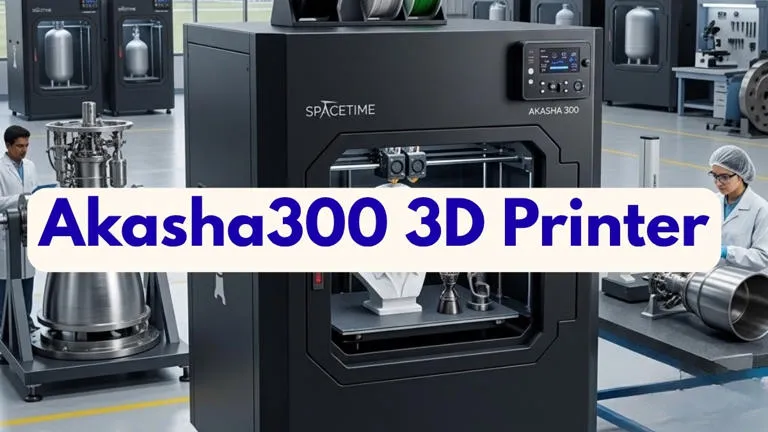
On March 30, India’s private space industry achieved a significant advancement with the delivery of the nation’s largest 3D printer to Astrobase Space Technologies in Bengaluru. The delivery was facilitated through four heavy-duty trucks, which transported the enormous machine to the company’s facility, initiating a new era in domestic rocket engine manufacturing. This development minimizes reliance on imported technology and supports the vision of self-sufficiency in aerospace capabilities.

Astrobase’s Vision for Rocket Engine Manufacturing

Neeraj Khandelwal, co-founder of Astrobase, expressed the importance of this achievement, highlighting the necessity of establishing a dedicated production line for their first Full-Flow Staged Combustion (FFSC) rocket engine. The company emphasizes that achieving this goal requires an unwavering commitment to building a capable factory without shortcuts. The arrival of the printer notably enhances Astrobase’s potential to produce multiple 80-ton thrust engines annually, a pivotal step for a startup focused on spacecraft development.

Capabilities of the Giant 3D Printer

The newly delivered 3D printer is set to revolutionize the manufacturing of intricate components essential for robust rocket engines directly within Astrobase’s workshop. These FFSC engines, designed to operate on liquid oxygen and liquefied natural gas, utilize a unique combustion process, whereby the fuel and oxidizer undergo preliminary burning in separate pre-burners. This process ensures that all exhaust gas is efficiently funneled into the main combustion chamber, resulting in high efficiency and substantial thrust output.

Production Goals and Advantages

With each engine capable of producing 80 tons of thrust, Astrobase plans to manufacture up to 50 of these engines each year. The new 3D printing technology will expedite the production of core components, reducing costs and enhancing quality. This integrated approach allows the team to design, print, test, and assemble components on-site, significantly accelerating the development of India’s inaugural reusable medium-lift rocket.

Astrobase’s Future Aspirations

Founded in 2024 by Khandelwal and former Indian Space Research Organisation (ISRO) scientist Devakumar Thammisetty, Astrobase aims to establish a comprehensive indigenous rocket system. The company has already progressed with successful tests of turbo pumps and has gained approval for India’s first private high-thrust engine test facility located in Andhra Pradesh. Astrobase aspires to complete its first orbital mission by 2028 or 2029, making substantial strides in the country’s space exploration initiatives.

Significance of the New Printer

This advanced 3D printer represents more than just technological machinery; it embodies India’s growing capabilities in self-reliance within the space sector. The ability to swiftly transition from design concepts to tangible hardware is crucial in driving down production costs and facilitating an increase in satellite launch capabilities. Astrobase’s commitment to enhancing the nation’s space technology landscape is evident through this significant investment.

Long or Short, get news the way you like. No ads. No redirections. Download Newspin and Stay Alert, The CSR Journal Mobile app, for fast, crisp, clean updates!

App Store –  https://apps.apple.com/in/app/newspin/id6746449540 

Google Play Store – https://play.google.com/store/apps/details?id=com.inventifweb.newspin&pcampaignid=web_share

Latest News

Popular Videos
