


app-store-logo
play-store-logo
February 27, 2026

Masan Holi in Kashi: A Unique Spiritual Experience
The CSR Journal Magazine

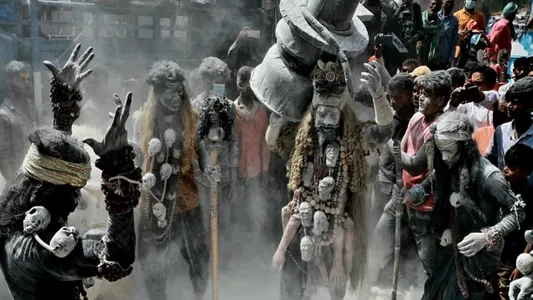
Masan Holi, distinct from the vibrant celebrations of traditional Holi, is observed in Varanasi at its cremation grounds, primarily at Manikarnika Ghat and Harishchandra Ghat. Rather than using colorful powders and water, participants apply vibhuti, or sacred ashes, to one another. This ritual is deeply rooted in Shaivite traditions and serves as a reflection on life, death, and rebirth, transforming Holi into a meditative experience that contrasts sharply with the usual festivities found across India.

Celebration Dates and Rituals

This uniquely solemn observance takes place a day after Rangbhari Ekadashi, with the next occurrence in 2026 scheduled for February 28. At sunrise, devotees gather at the Mahashmashan Nath Temple. The rituals incorporate ashes collected from funeral pyres, honoring deceased souls while engaging in a grand procession dedicated to Lord Shiva. Accompanied by rhythmic drumming, devotional chanting, and bhajans, participants often dress minimally, focusing on spiritual engagement rather than physical adornment. The absence of water guns, balloons, or synthetic colors creates an atmosphere of reverence distinct from traditional Holi celebrations.

Contrasting Elements of Celebration

While traditional Holi emphasizes social bonding and celebratory joy, Masan Holi emphasizes spiritual detachment and the impermanence of life. Traditional festivities involve colors and laughter shared among family and friends in homes and public spaces. In contrast, Masan Holi draws ascetics, Aghoris, and devoted practitioners, creating a profoundly personal connection to the rituals. The focus shifts to themes of mortality and the pursuit of moksha, reflecting the differences between the two forms of celebration.

The Legends Surrounding Masan Holi

Various legends provide insight into the origins of Masan Holi. One account suggests the celebration is tied to the wedding feast of Lord Shiva and Parvati. According to mythology, celestial beings such as yakshas and gandharvas, who were not invited, engaged in play with ashes at the sacred cremation grounds. Another belief connects the ritual to the mythology of Manikarnika Ghat, thought to have originated from the remains of Sati. Over time, this practice transitioned from an exclusive ritual among Aghori sadhus to a broader public spiritual observance, gaining momentum since around 2012.

Deep Spiritual Significance of Ashes

For participants, the act of applying ashes during Masan Holi symbolizes a profound recognition of the transient nature of existence. The ritual serves to shed ego, fear, and attachments, allowing devotees to believe in the purification of their karma and a deeper connection to moksha. This observance embraces the acceptance of destruction as an integral aspect of renewal, drawing in tantrics and those seeking liberation through its intense practices.

Comparing Traditional Holi and Masan Holi

While traditional Holi is characterized by its vibrant colors and social interactions, Masan Holi stands as an inward-looking and contemplative ritual. The former celebrates the joys of life, embodying the arrival of spring and the victory of good, whereas the latter serves as a reminder of life’s ephemeral quality. These contrasting themes highlight the diversity of Holi celebrations across India and emphasize the unique cultural practices found in Kashi.

Long or Short, get news the way you like. No ads. No redirections. Download Newspin and Stay Alert, The CSR Journal Mobile app, for fast, crisp, clean updates!

App Store –  https://apps.apple.com/in/app/newspin/id6746449540 

Google Play Store – https://play.google.com/store/apps/details?id=com.inventifweb.newspin&pcampaignid=web_share

Latest News

Popular Videos
